On the Way Again
Walking the Camino at 81
What to ExpectSome say that the French Way has three major stretches, the first for the body, the physical challenge of beginning a long walk over some major climbs and descents; the second for the mind, the mental challenges of long expanses on the wide, open fields of the Meseta; and the final stretch for the soul, the emotions of growing closer to one’s destination in Santiago. On this, my fourth pilgrimage on the French route, I wanted to relive all three. But while every step on the Camino engages body, mind, and soul, each to a varying degree depending on the terrain, the weather, your conditioning and your spirit, this pilgrimage had more to do with the body than any I had ever undertaken. It proved, however, a challenge—and fulfillment—for mind and soul as well.
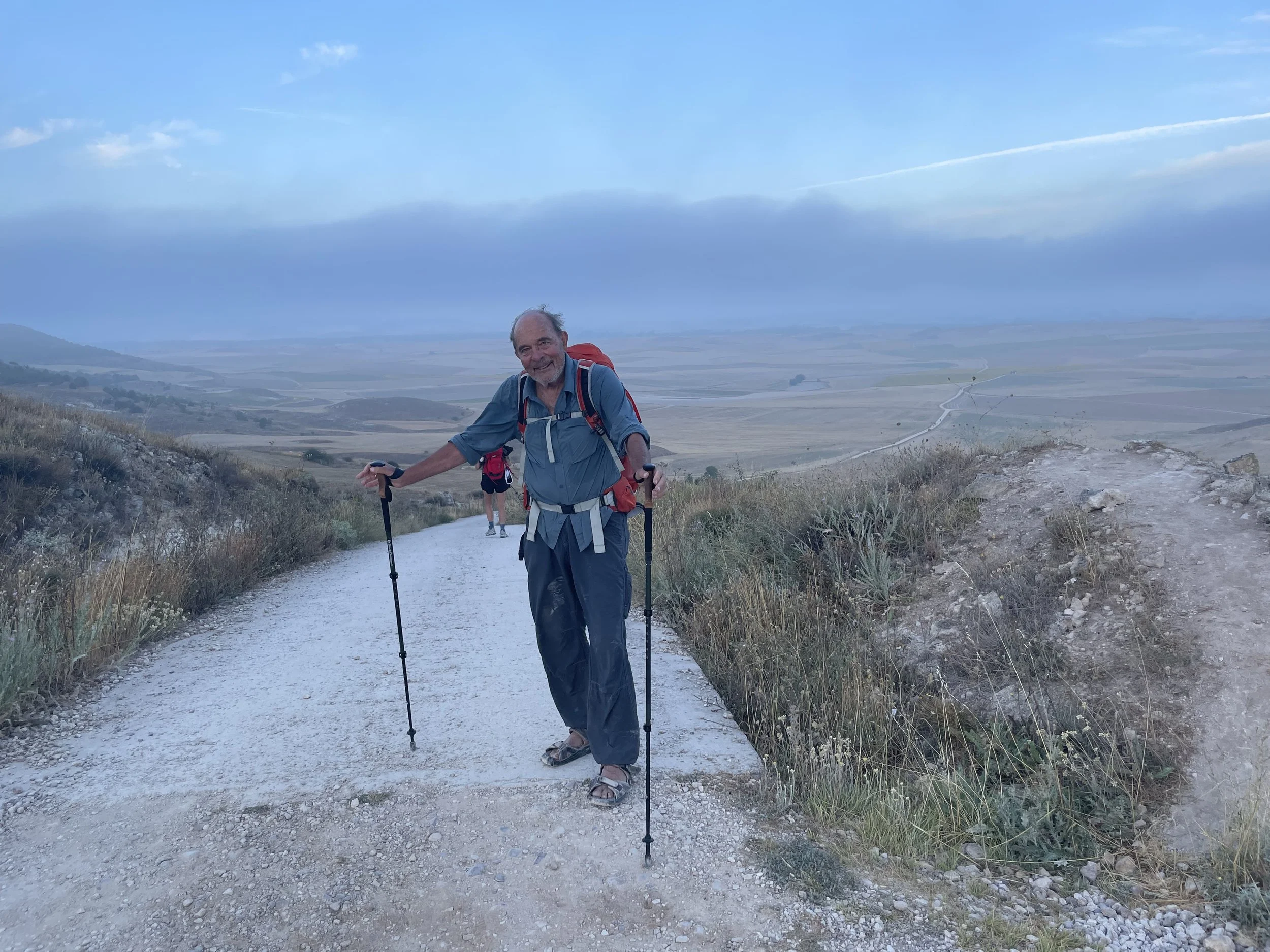
There are no fixed demarcations for those three stretches of the Camino, body, mind, or soul, but for me, it was the first 260 kilometers, to Burgos, about a third of the way to Santiago, that I would feel most in my body. In the guide book I use (John Brierley’s A Pilgrim's Guide to the Camino de Santiago (Camino Francés): St. Jean Pied de Port • Santiago de Compostela), the route is divided into 33 stages, each one approximately what the healthy, hearty — and younger — can cover in a day. The first covers 24 kilometers from Saint-Jean-Pied-de-Port to Roncesvalles, beginning with nearly a 1,300-meter ascent and a 400-meter descent of the Pyrenees. I knew that if I could clear that stage, I would pass a critical test and could then manage the rolling hills and shallow valleys that cover most of what follows in that first stretch. What I had not counted on was the intense heat, with many days over 100 degrees. It was far more than I had ever experienced, and it would take its toll, especially since I would stay faithful to my cardinal rule on the Camino, to walk every step and always carry my pack; with water it weighed about 20 pounds. He (my pack is a he) is my companion; it would feel like a betrayal to have someone else carry him, particularly in a taxi. Having him with me throughout the walk gives me the freedom to stop whenever and wherever I want, and the peace of mind to know that he won’t get lost or misplaced. But now, nearly ten years since my last walk on the French route, I already anticipated that I would be going at a slower pace than I had earlier.
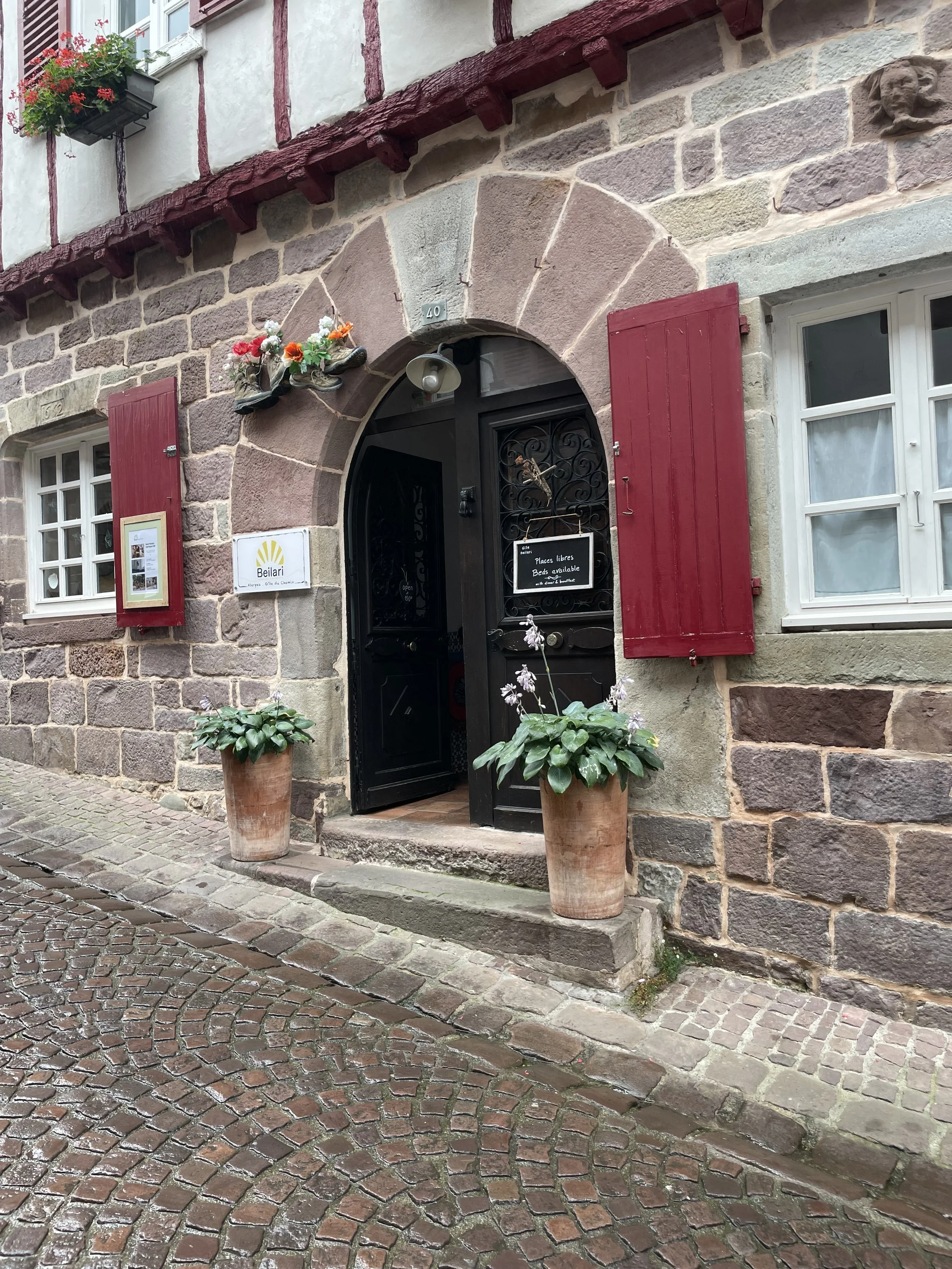
Gîte d'étape Beilari
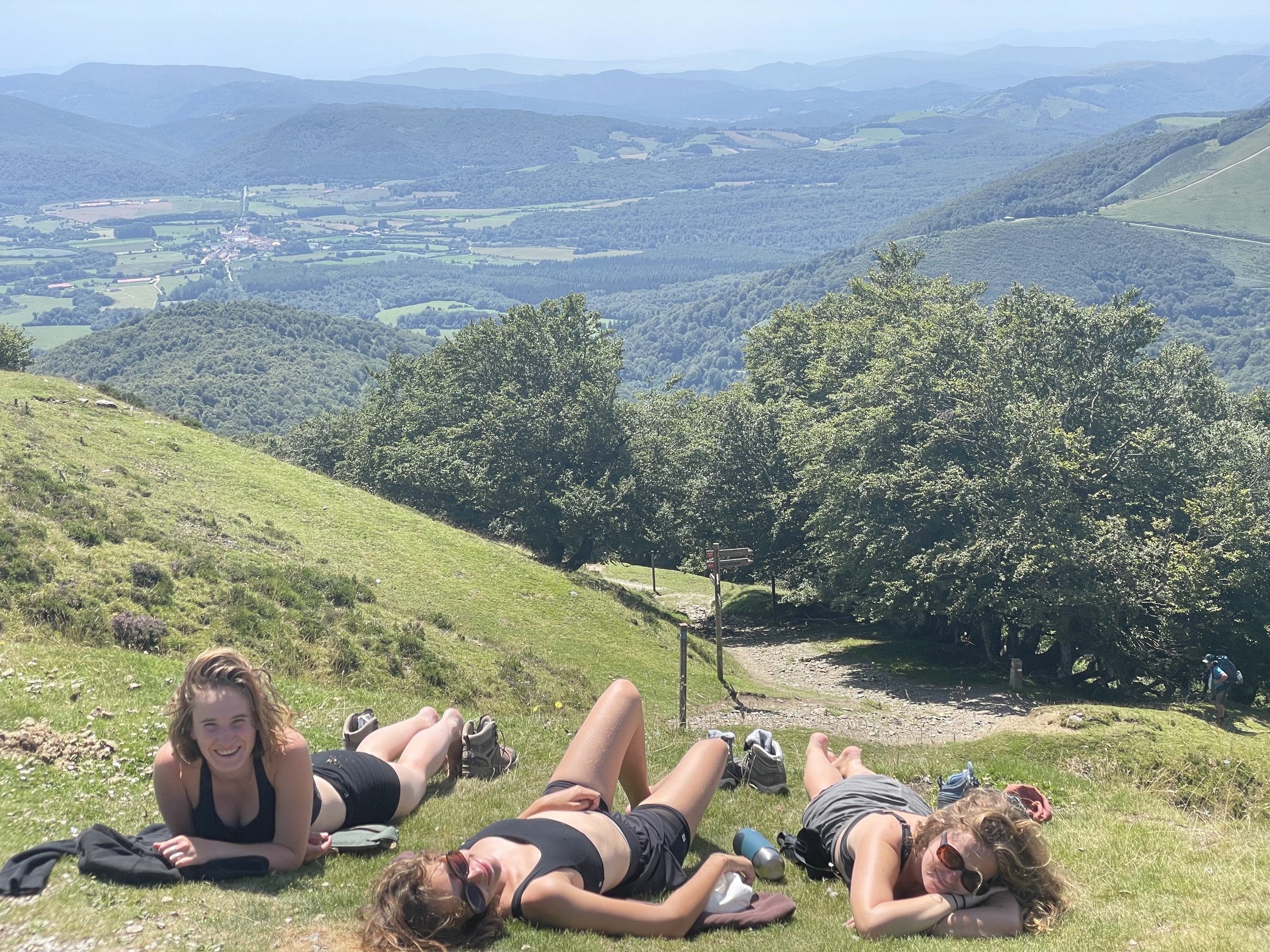
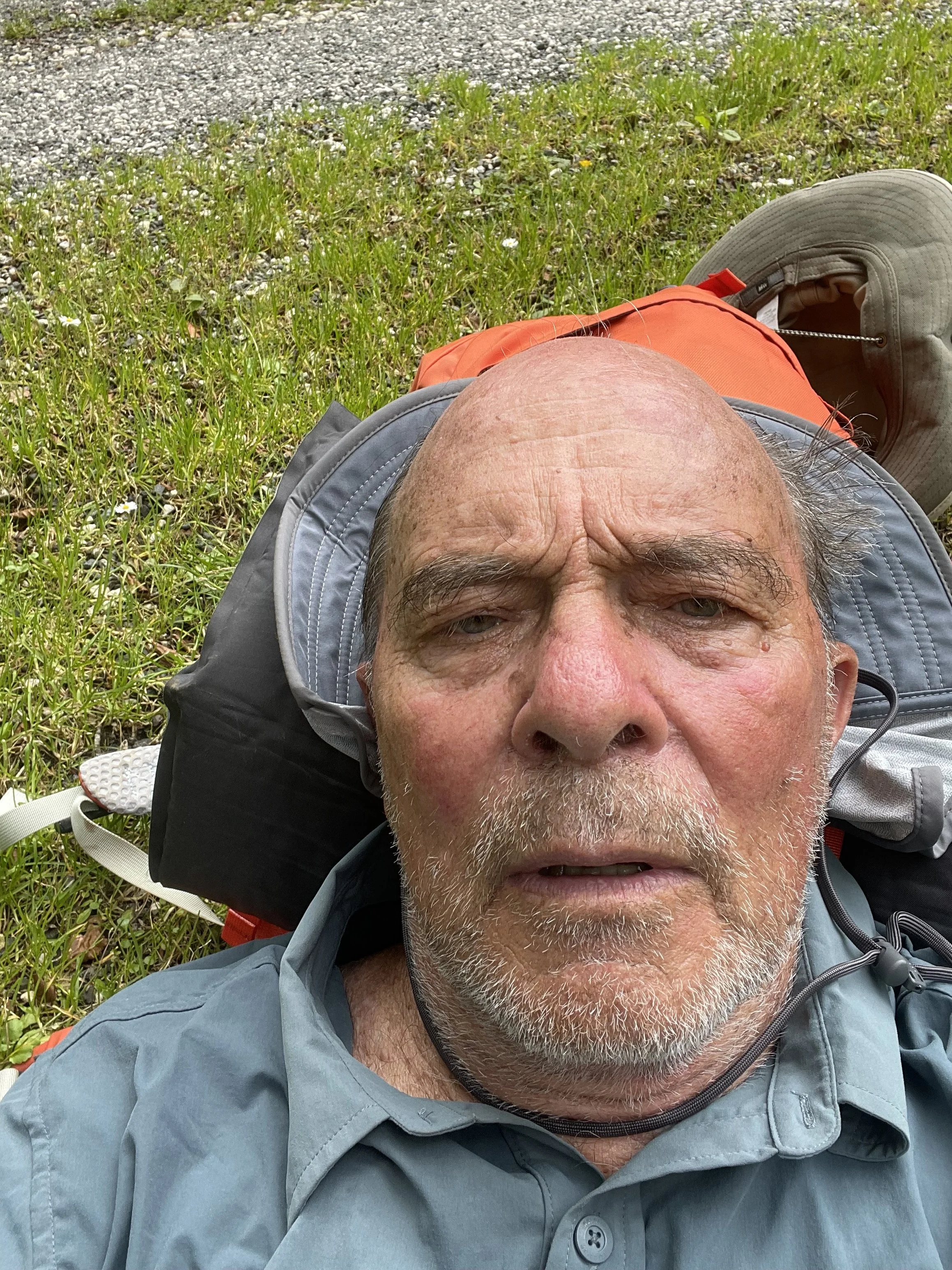
Resting at the summit, Collado de Lepoeder
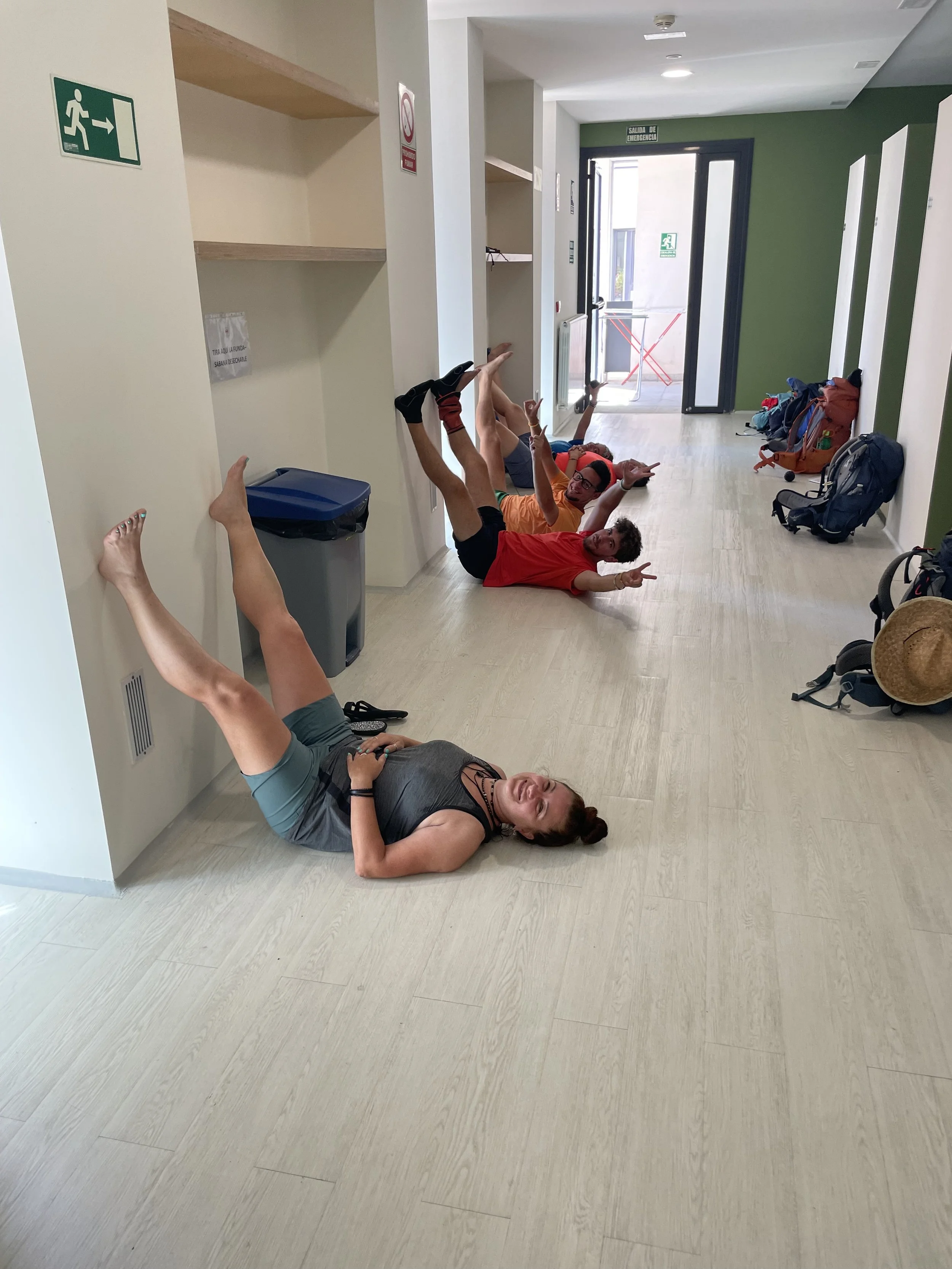
Recovery
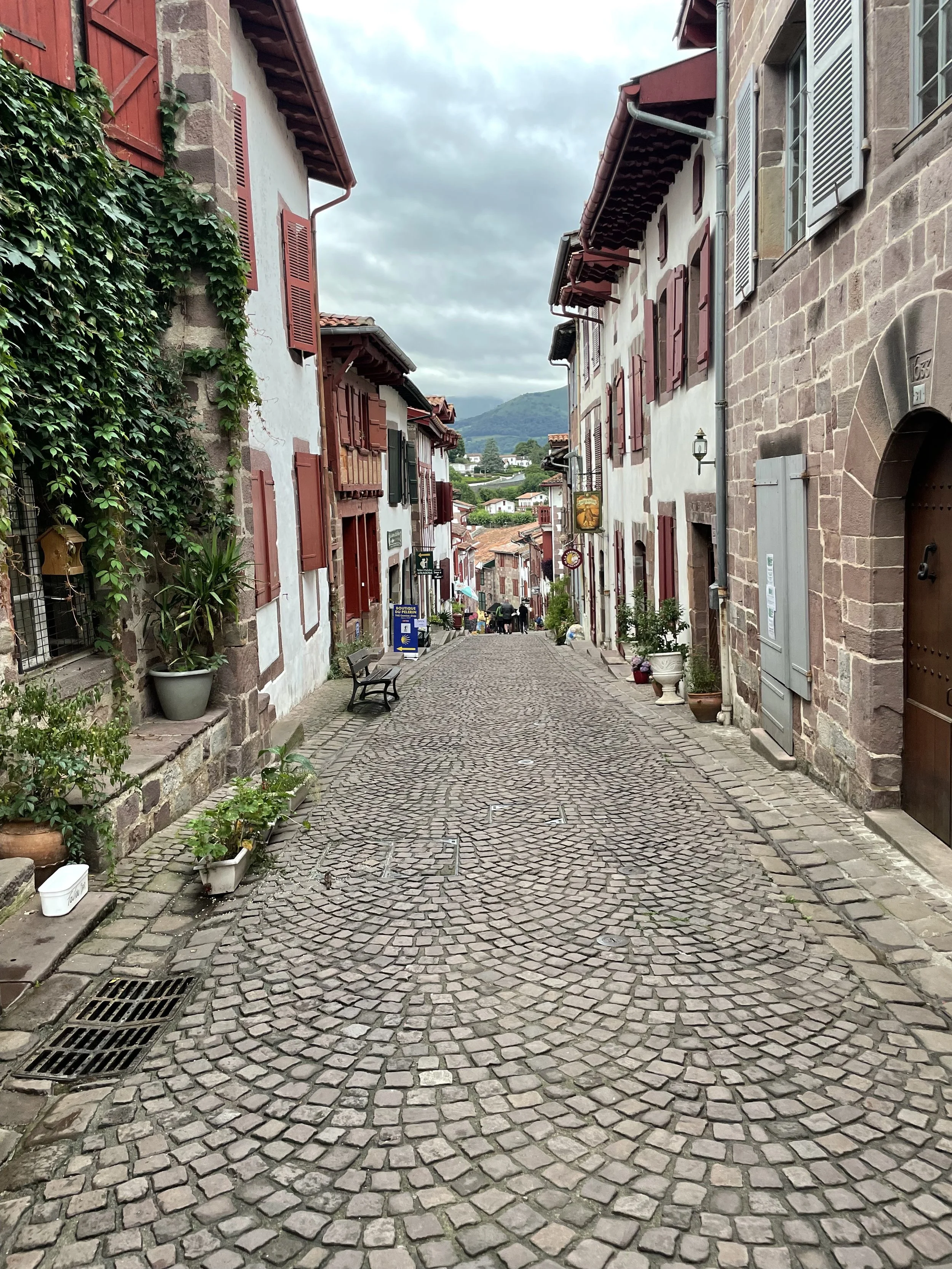
St.-Jean-Pied-de-Port
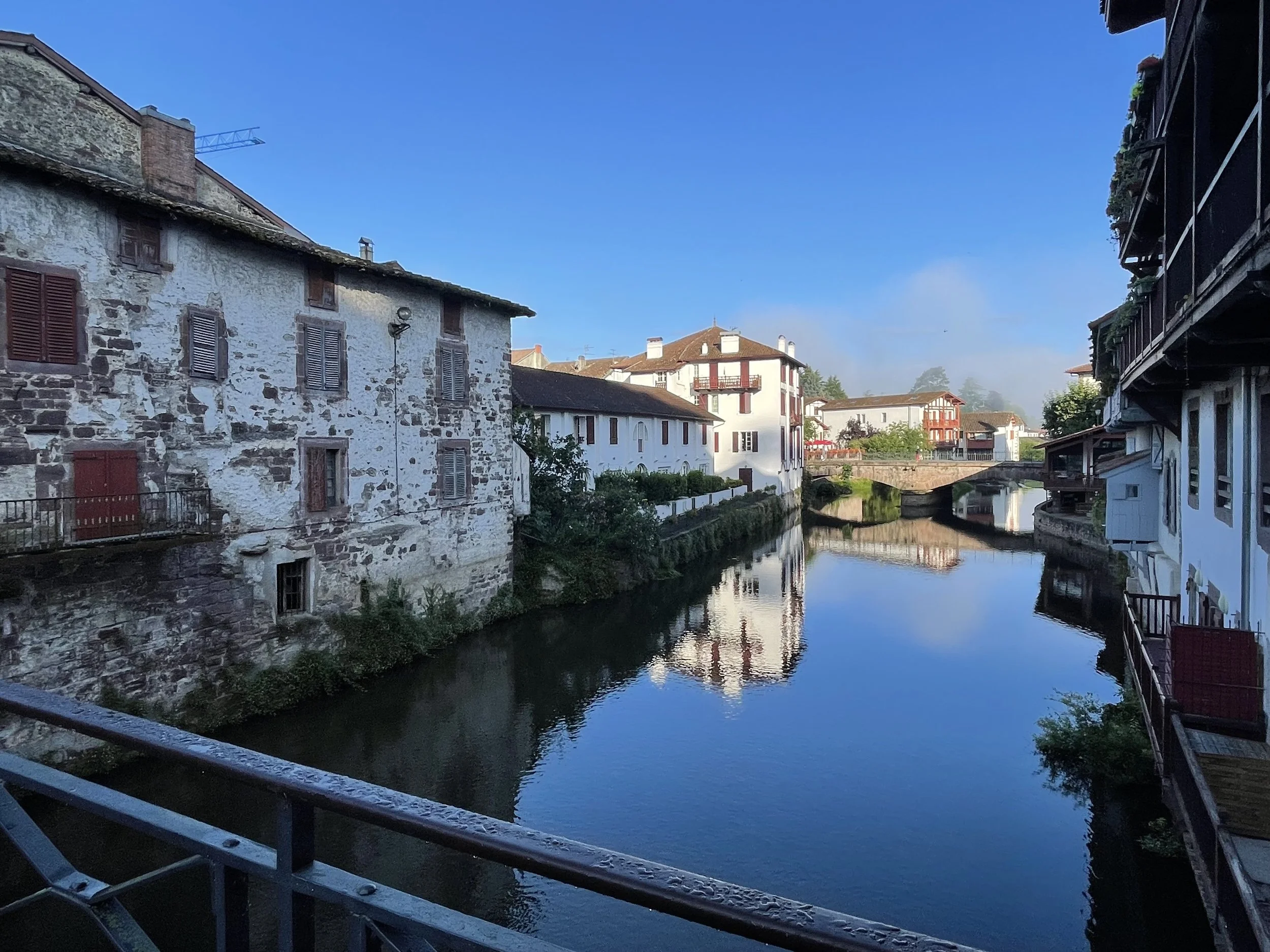
St.-Jean-Pied-de-Port, Nive River
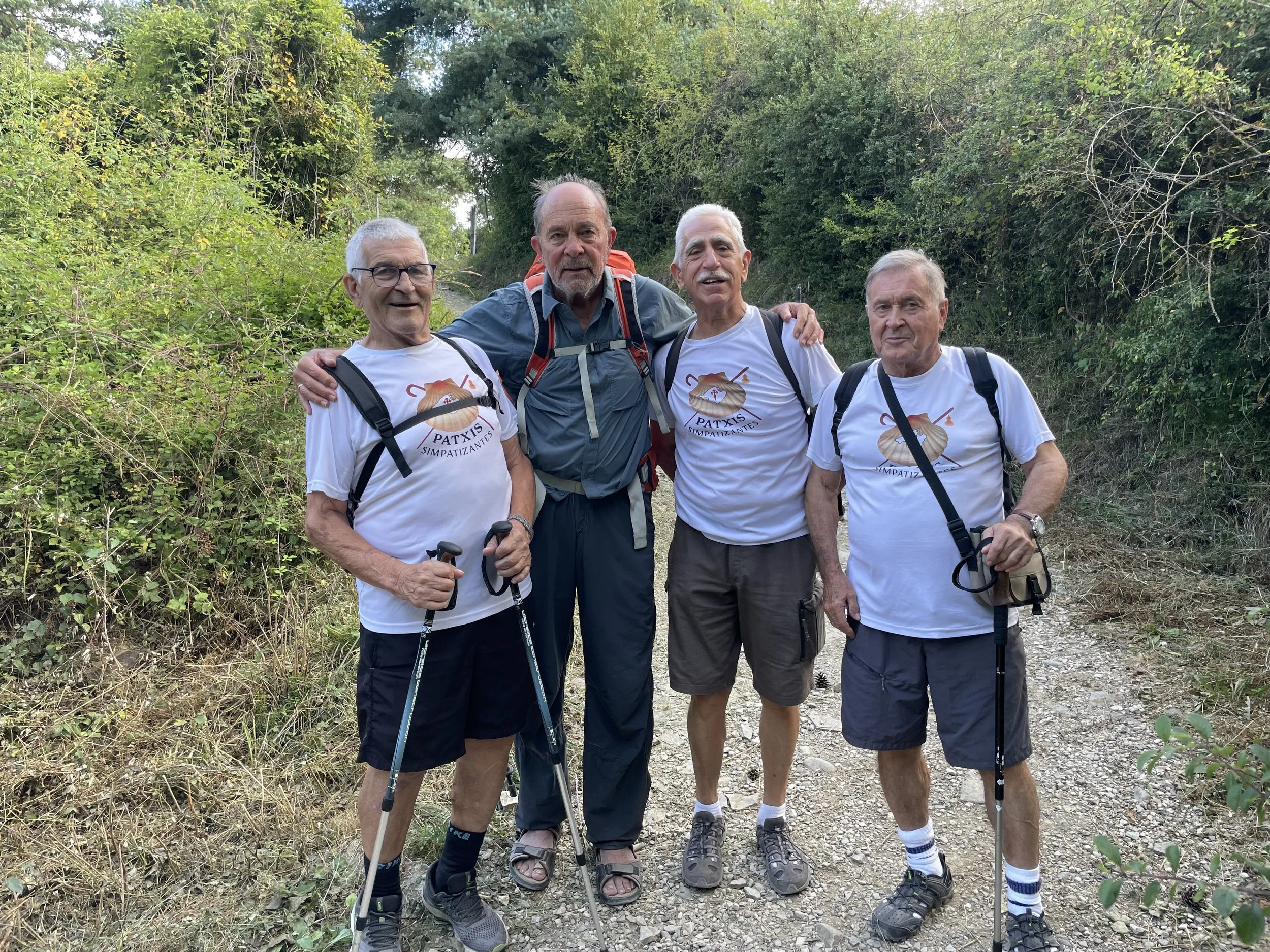
Peregrinos Bascos
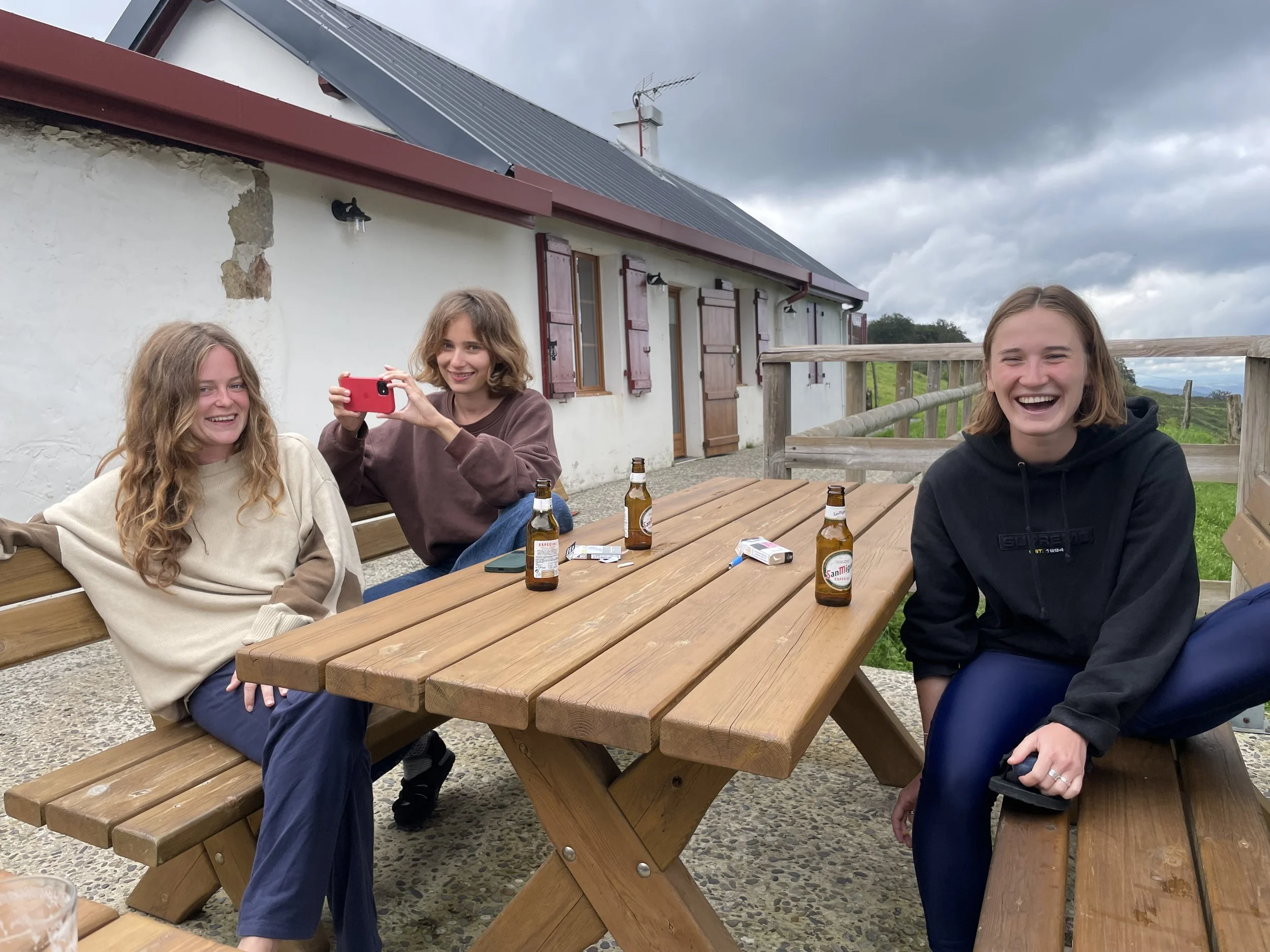
Les Trois Actrices Françaises ,
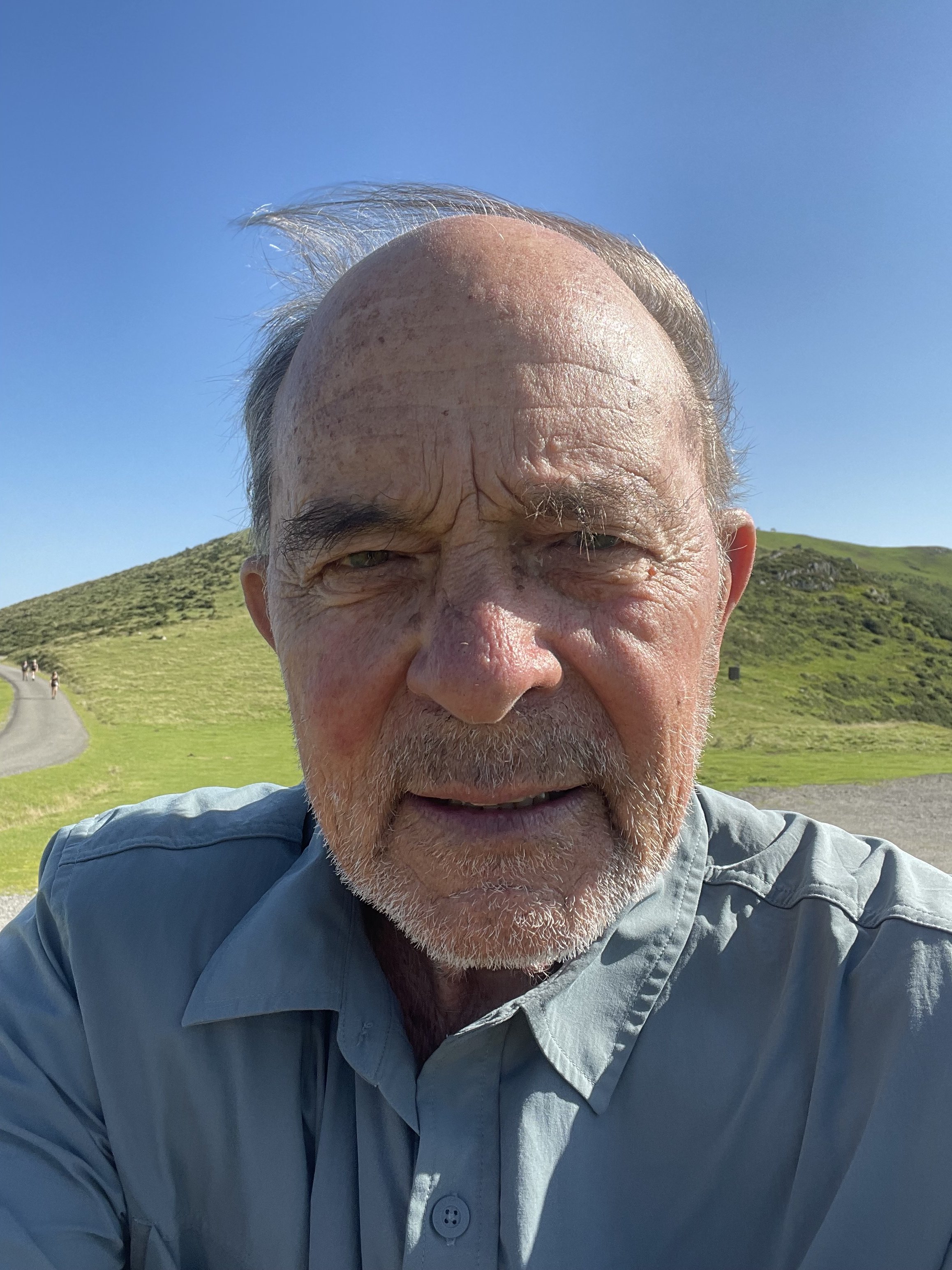
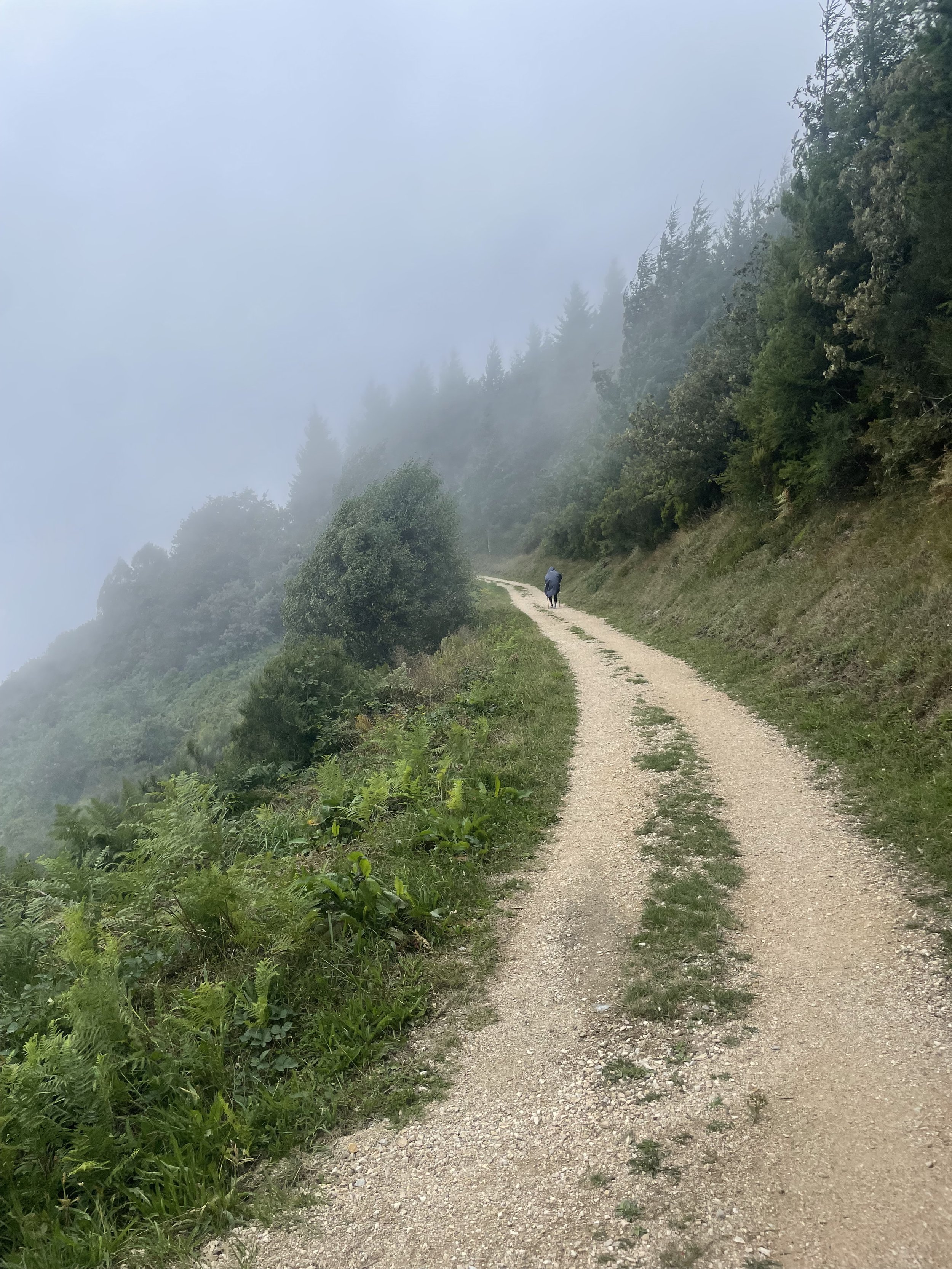
On the way up
Leaving Roncesvalles
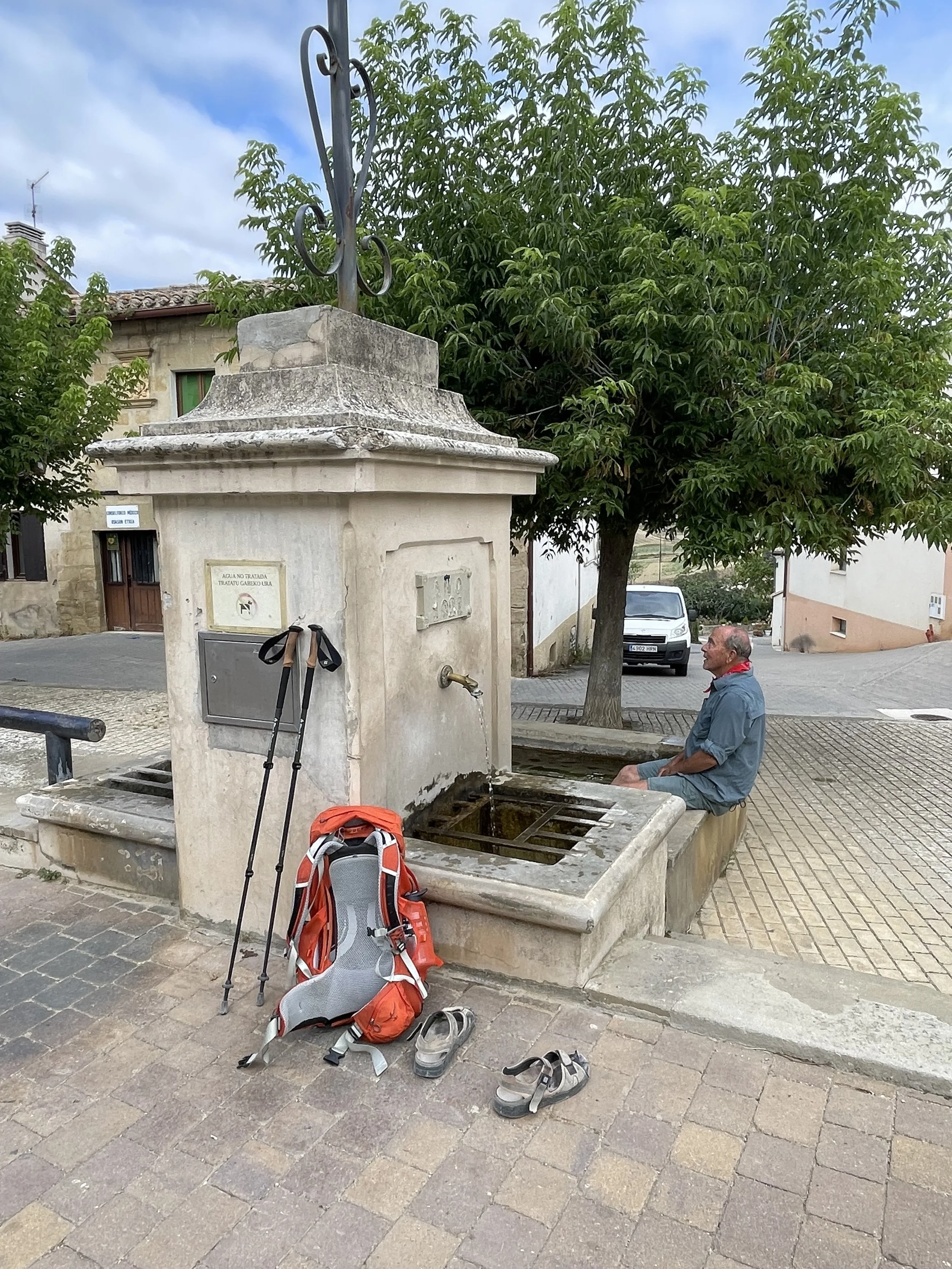
Cooling my feet in Uterga
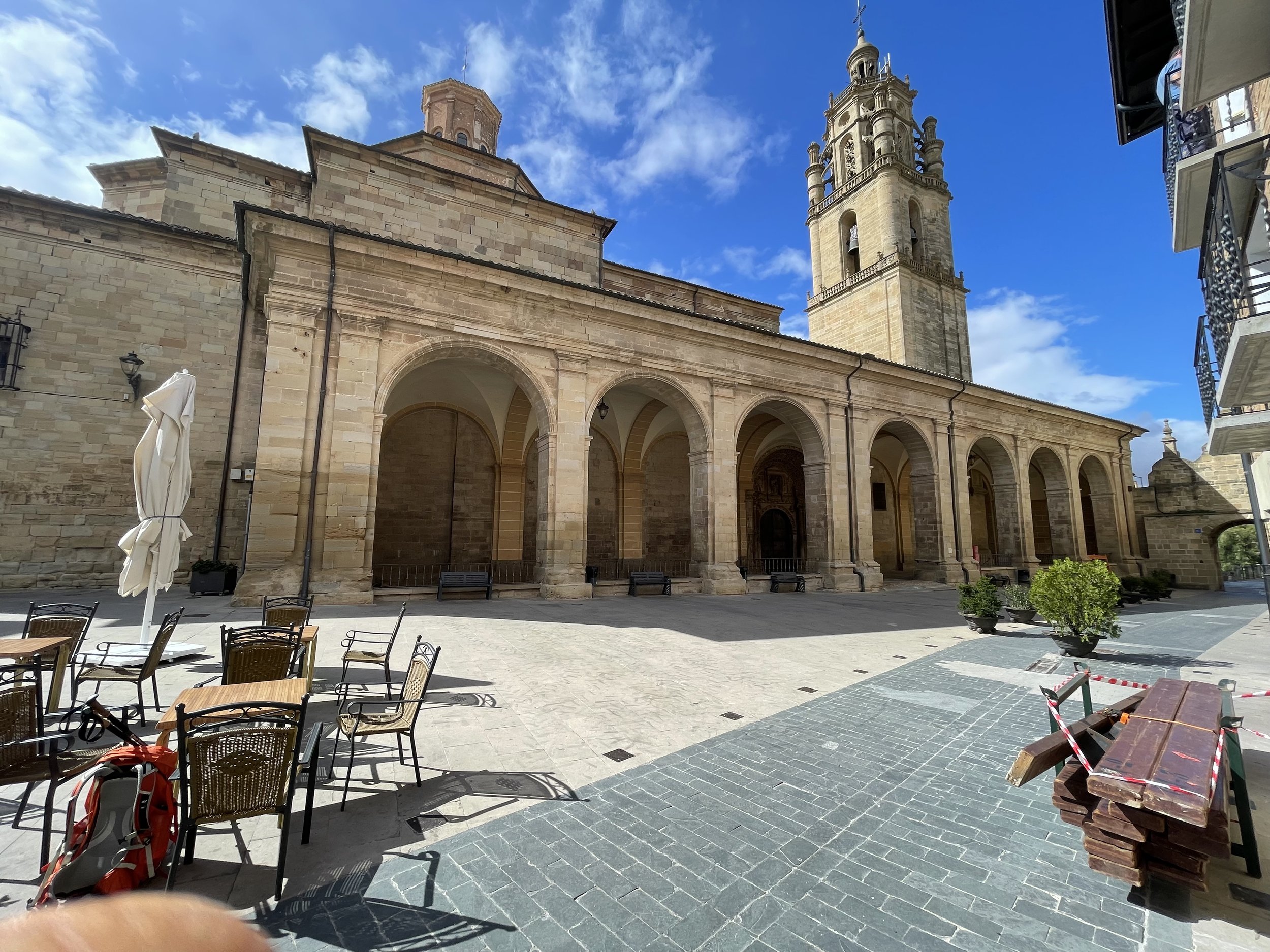
Iglesia de Santa María de la Asunción, Los Arcos
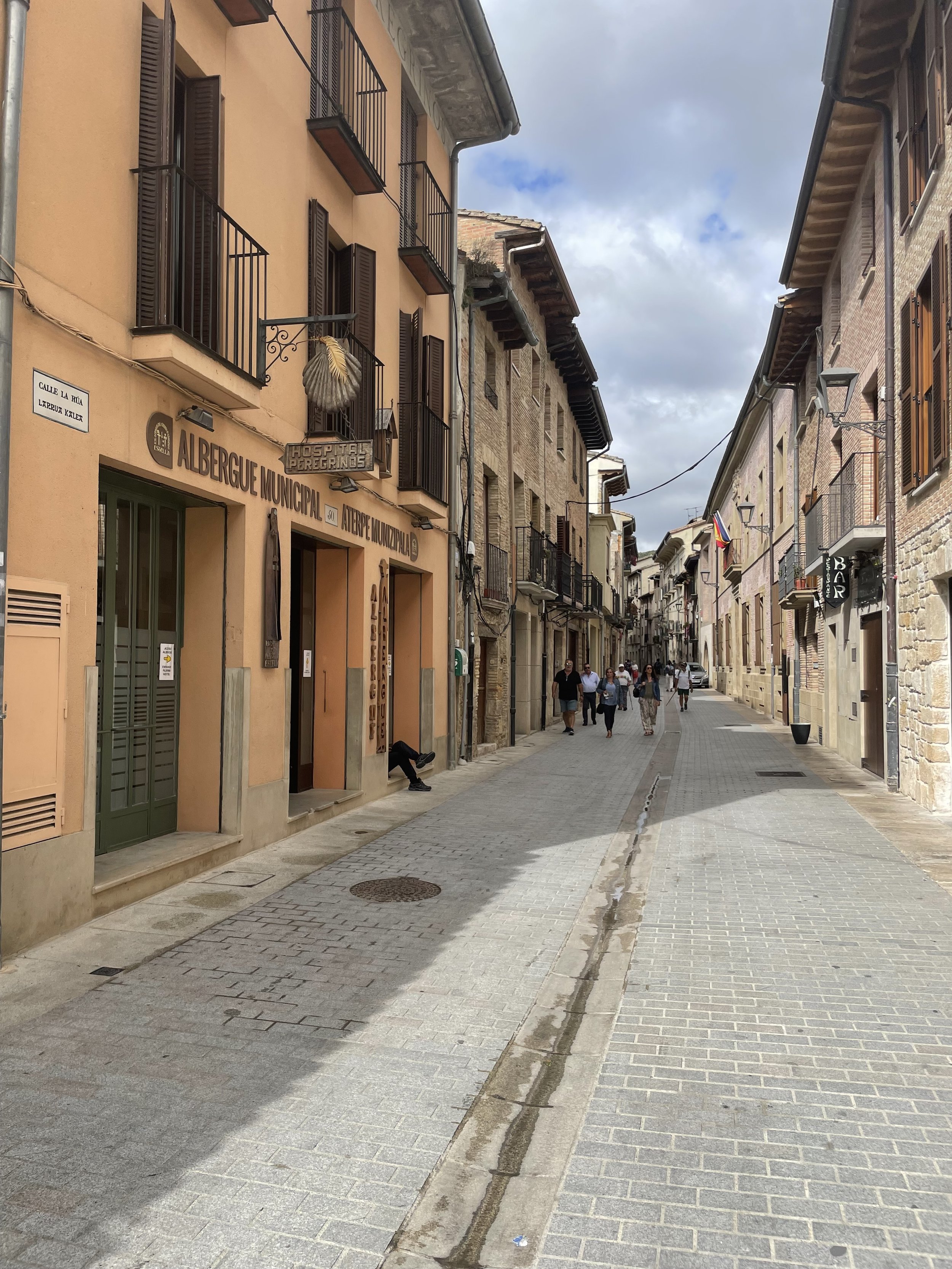
Entering Estella
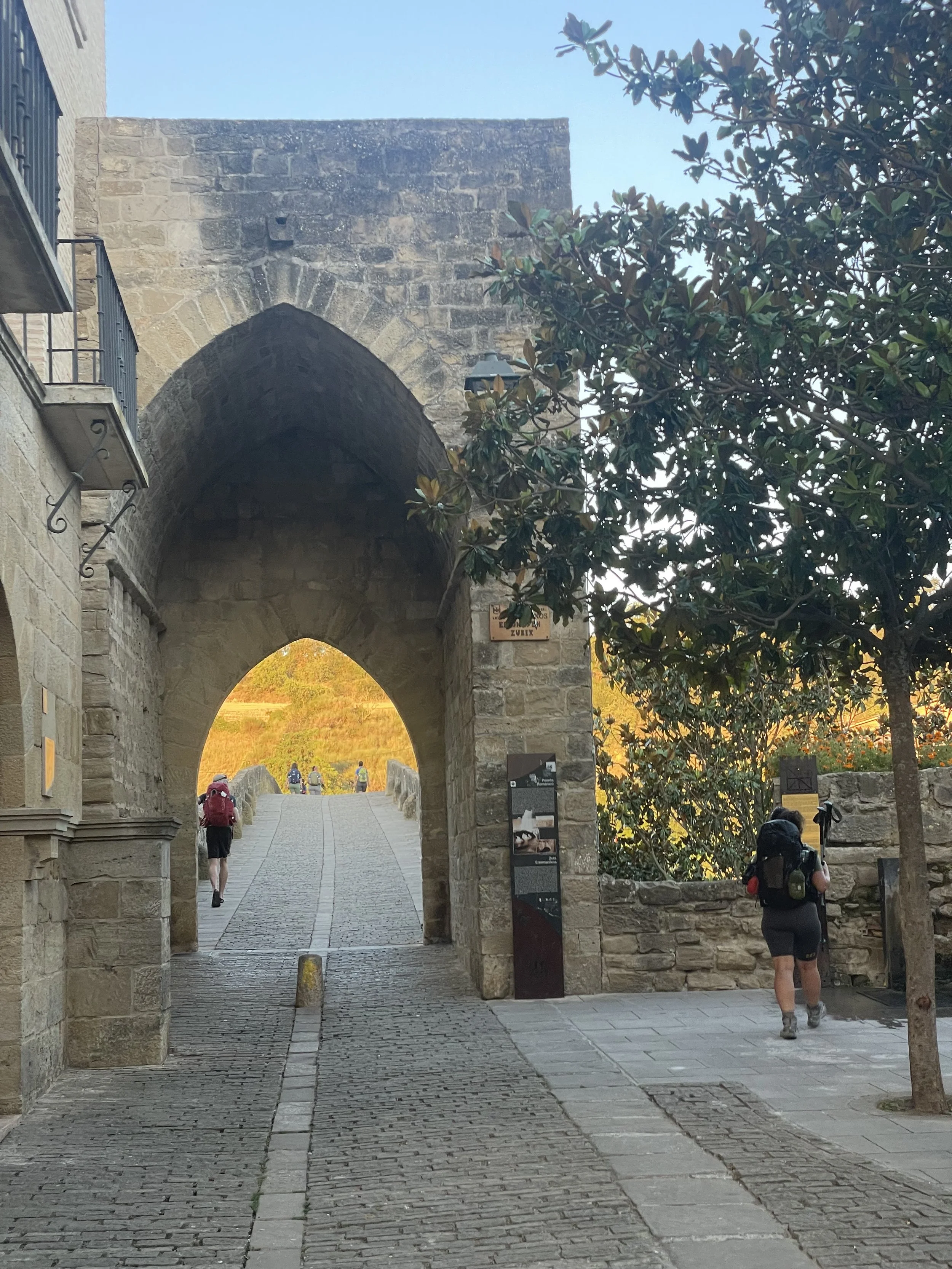
Rosa del Camino de Santiago
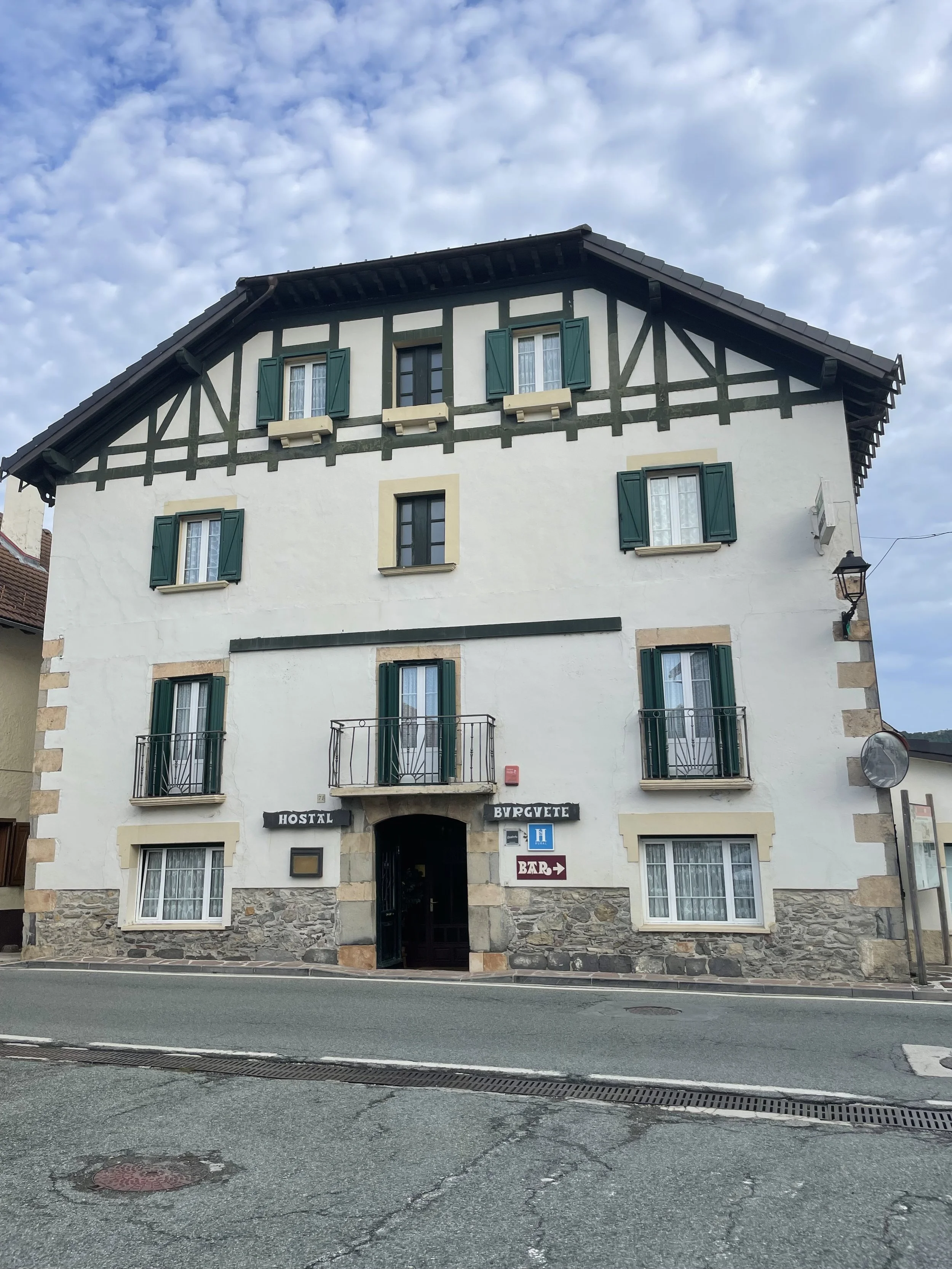
Hemingway’s Hostal Burguete
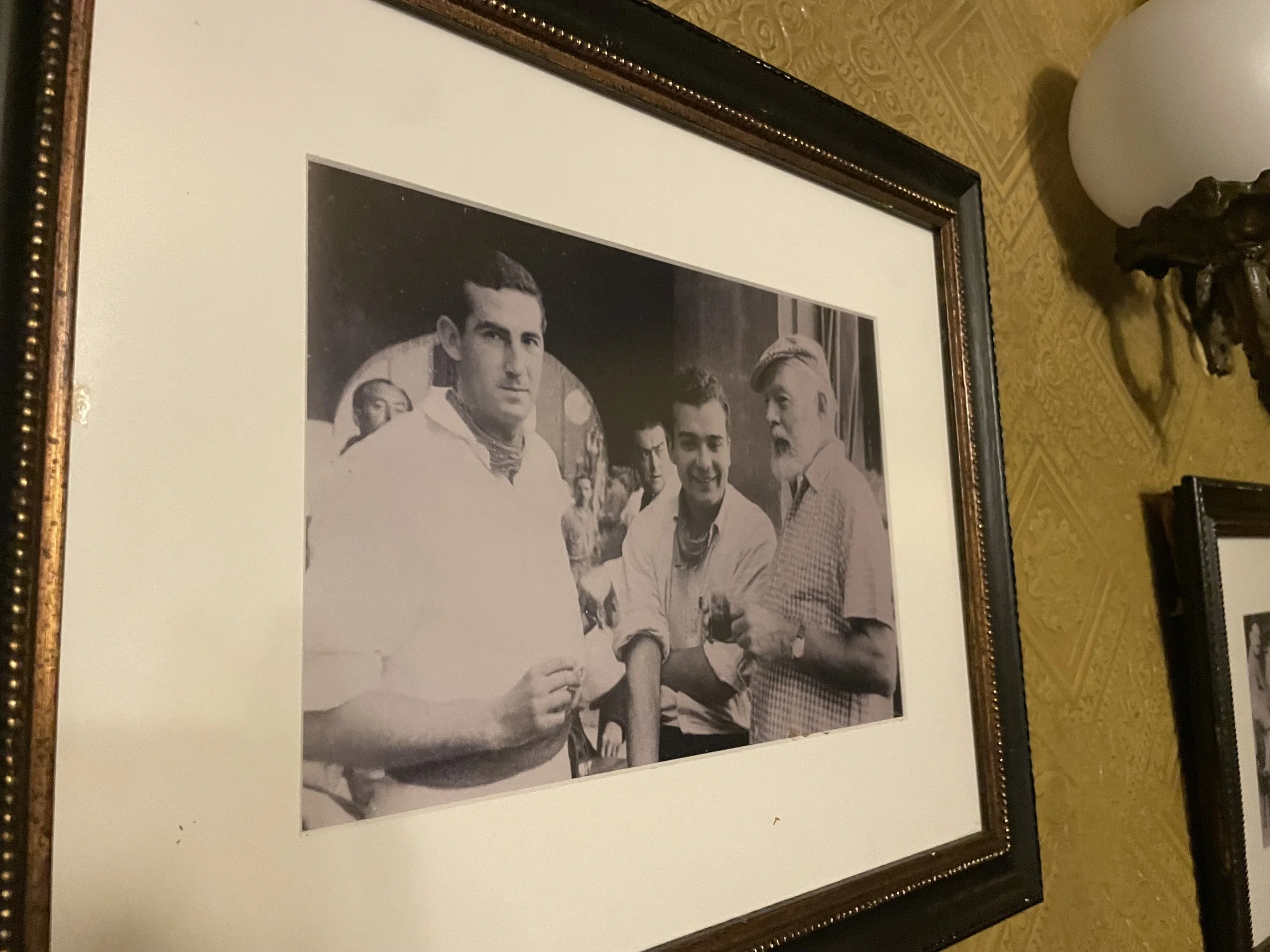
Hemingway with Ordoñez, Pamplona, 1959
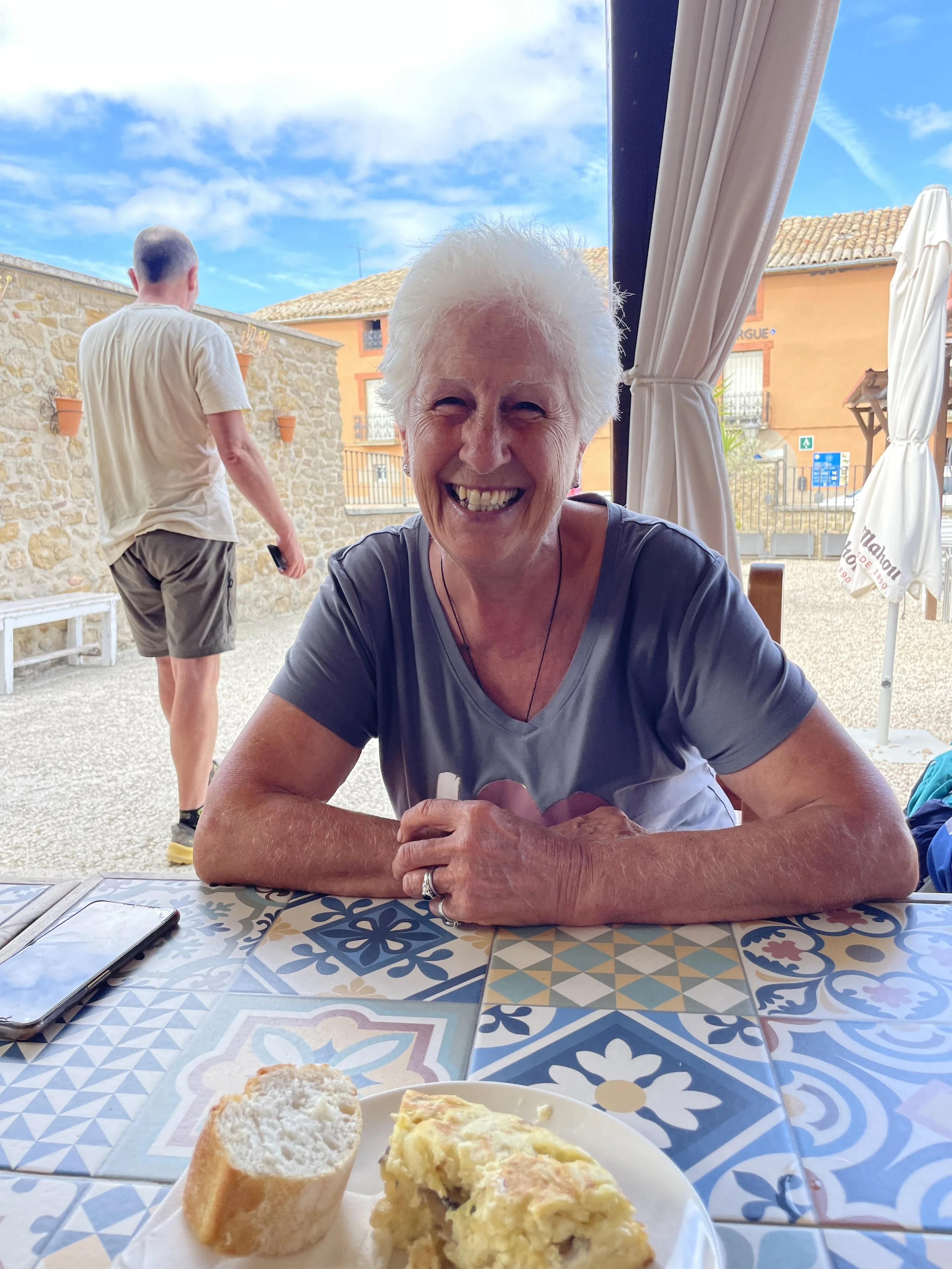
Hospitalera Ana Calvo
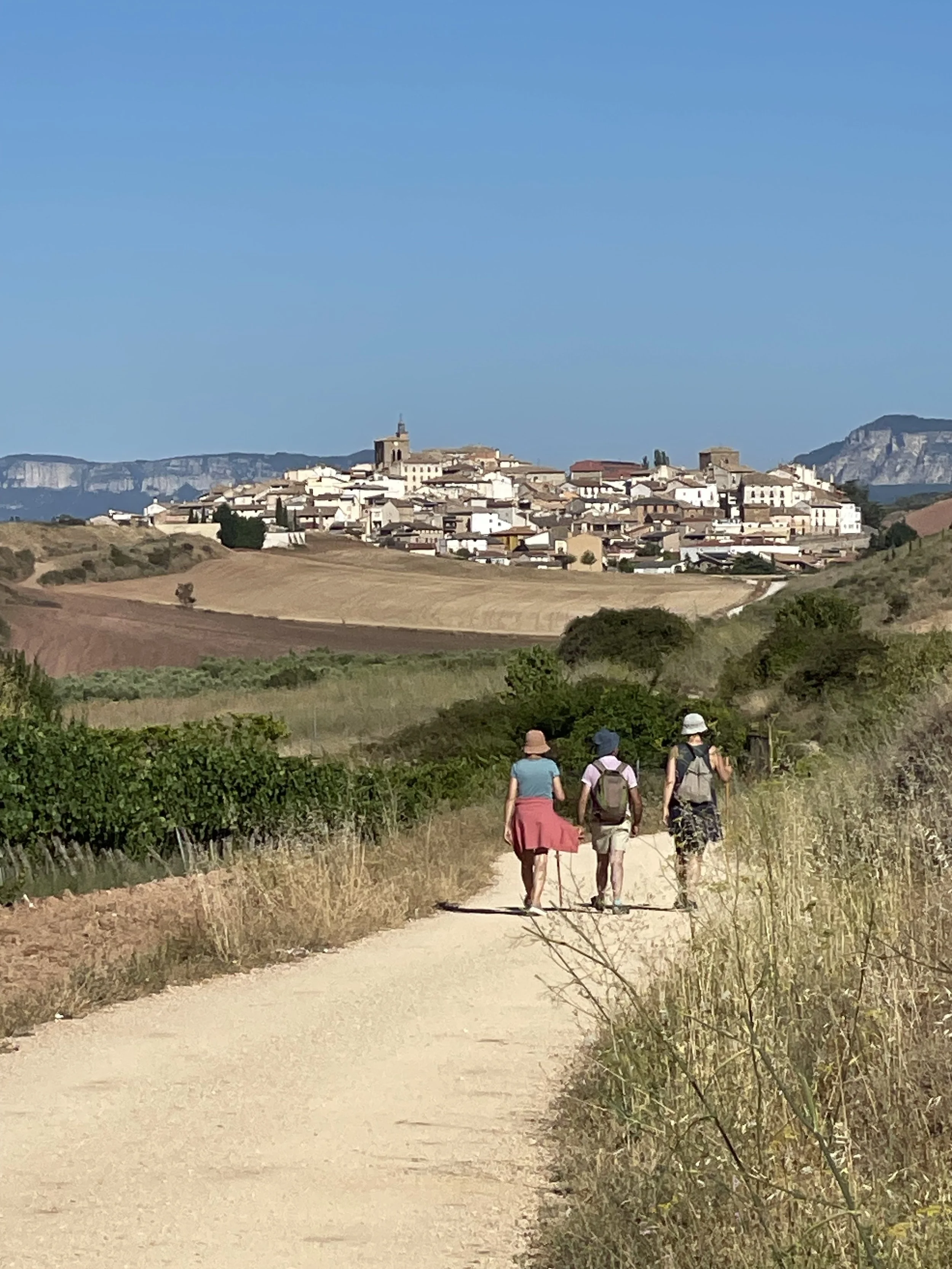
Approaching Cirauqui
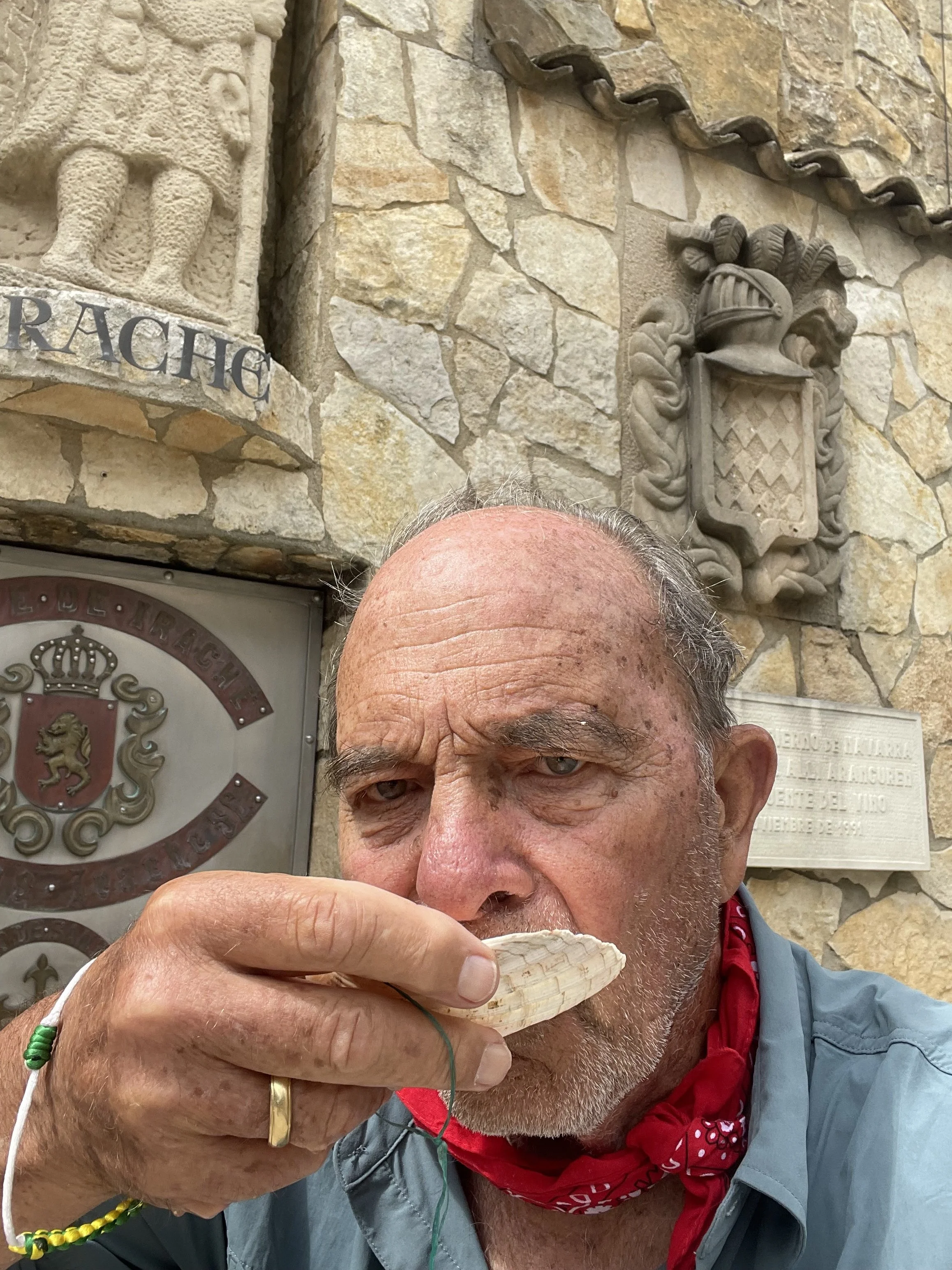
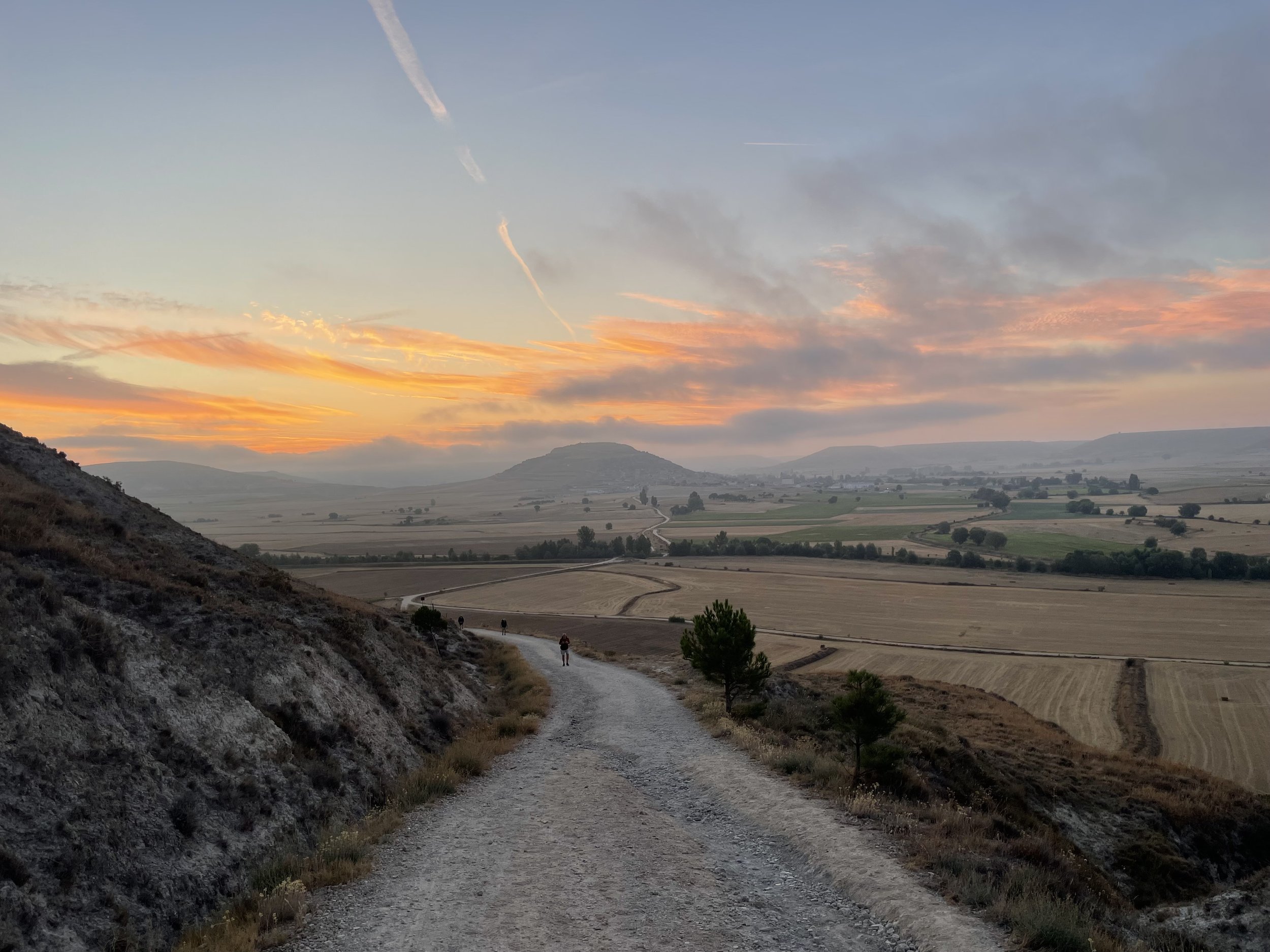
Free wine in Irache
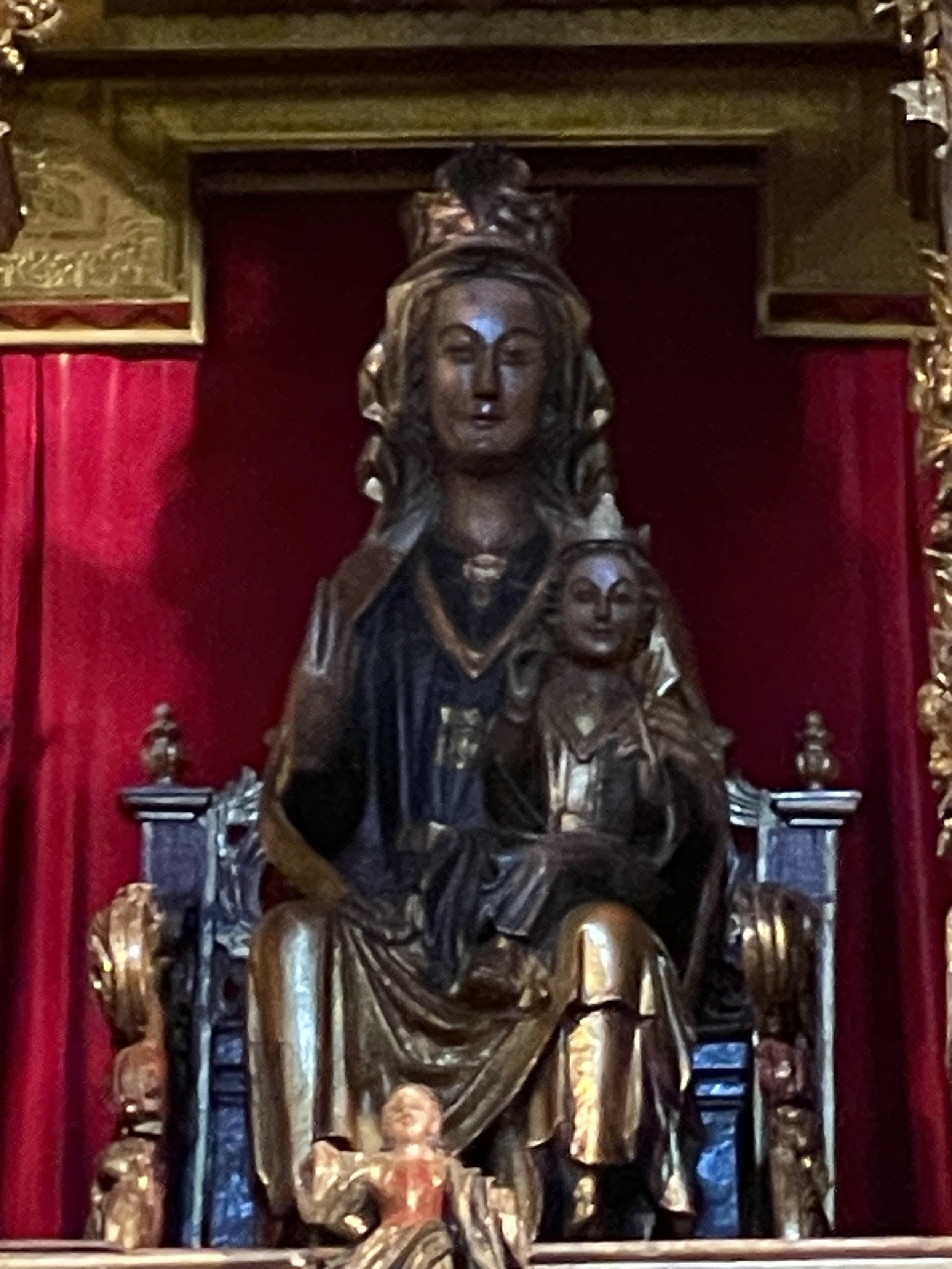
La Virgen Morena
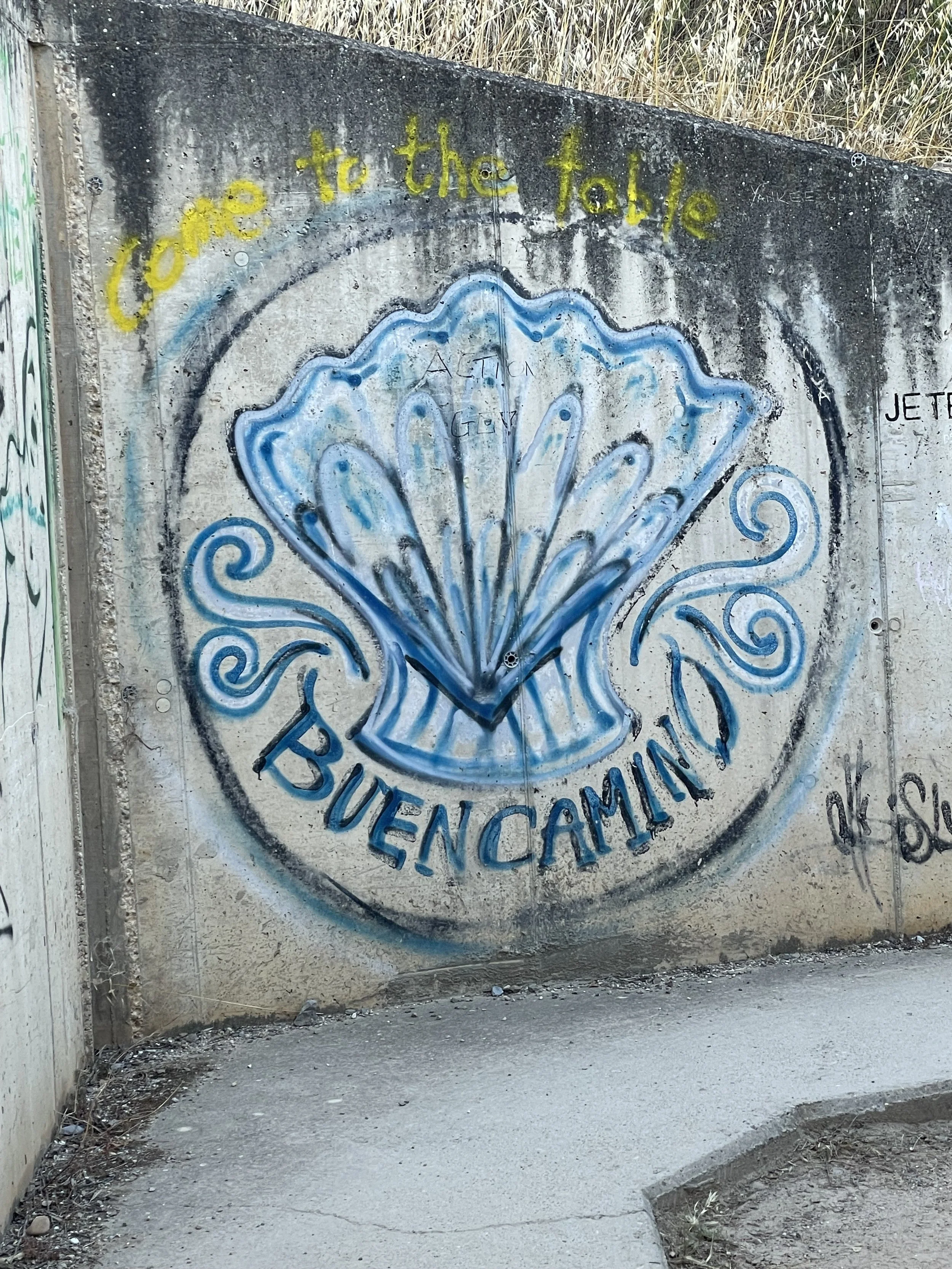
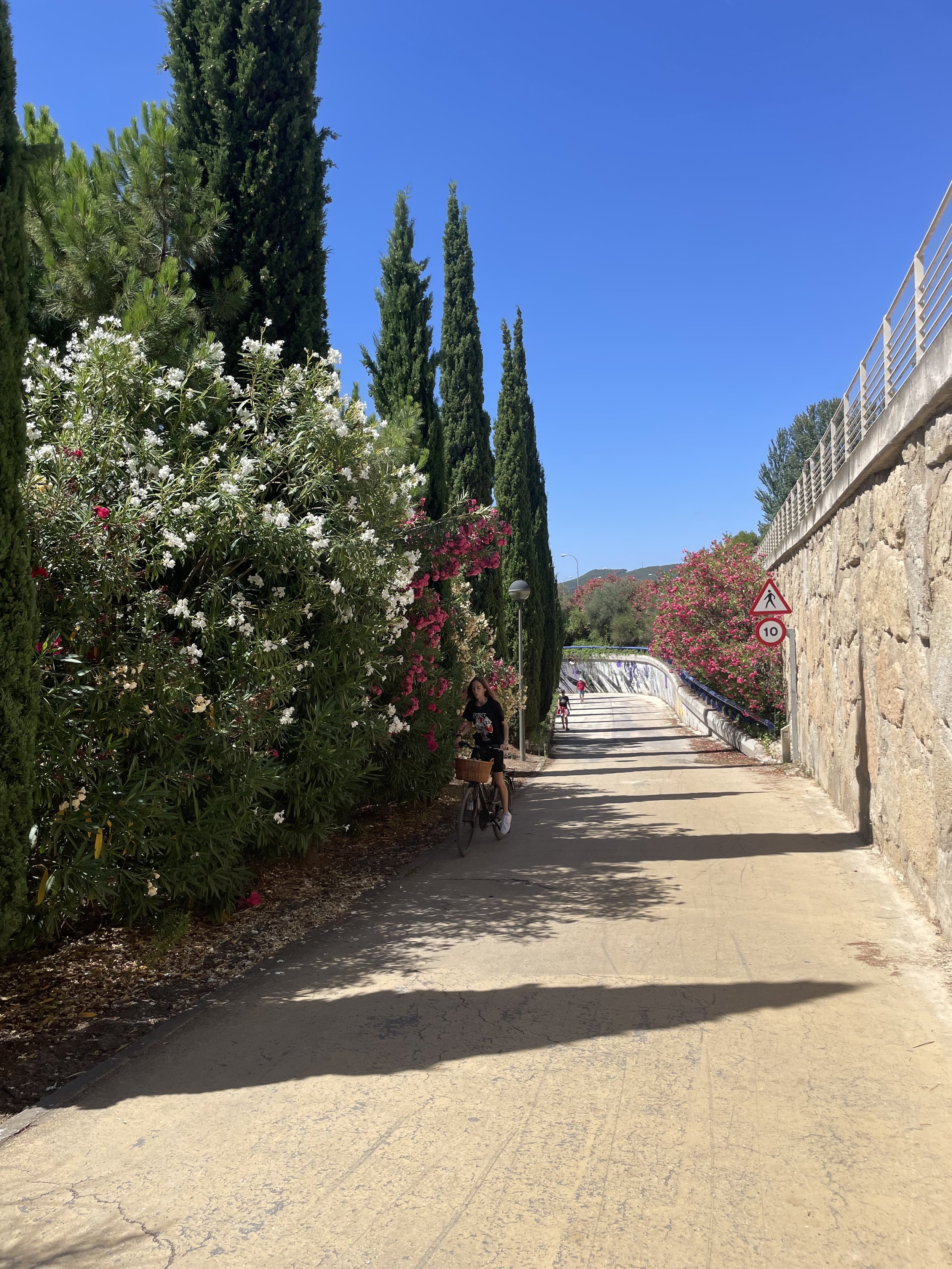
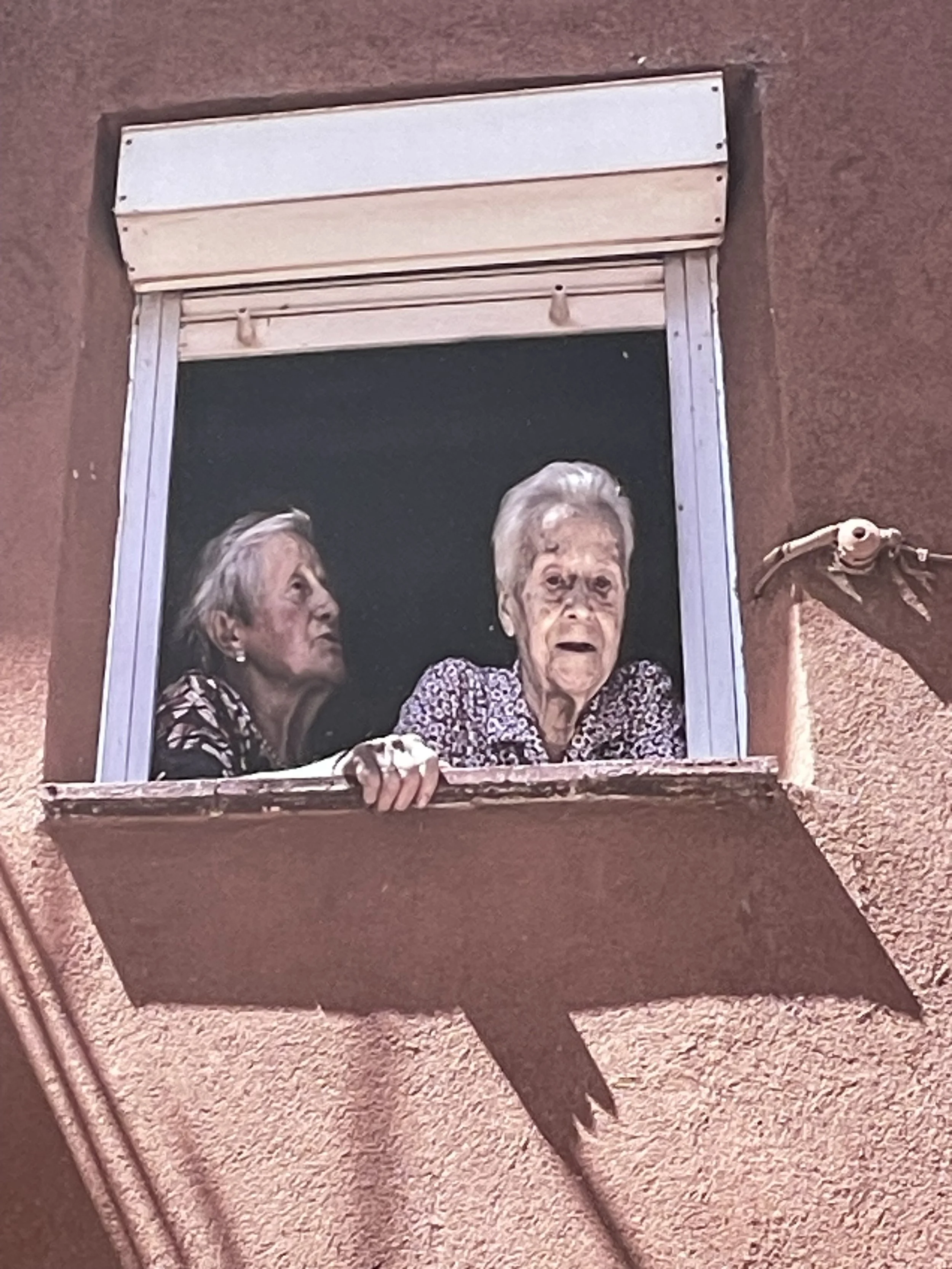
More art approaching Ventosa

Rioja palette
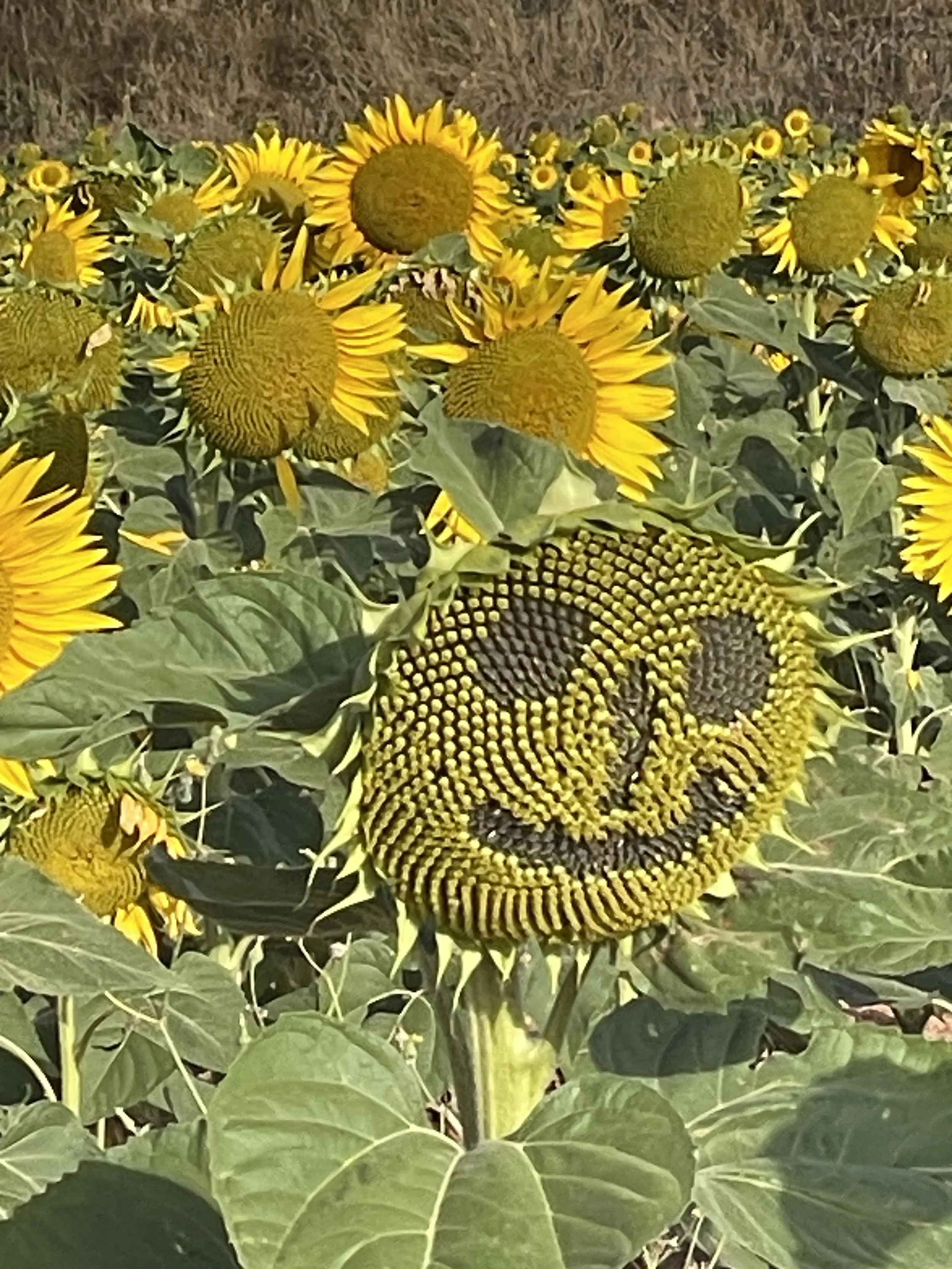
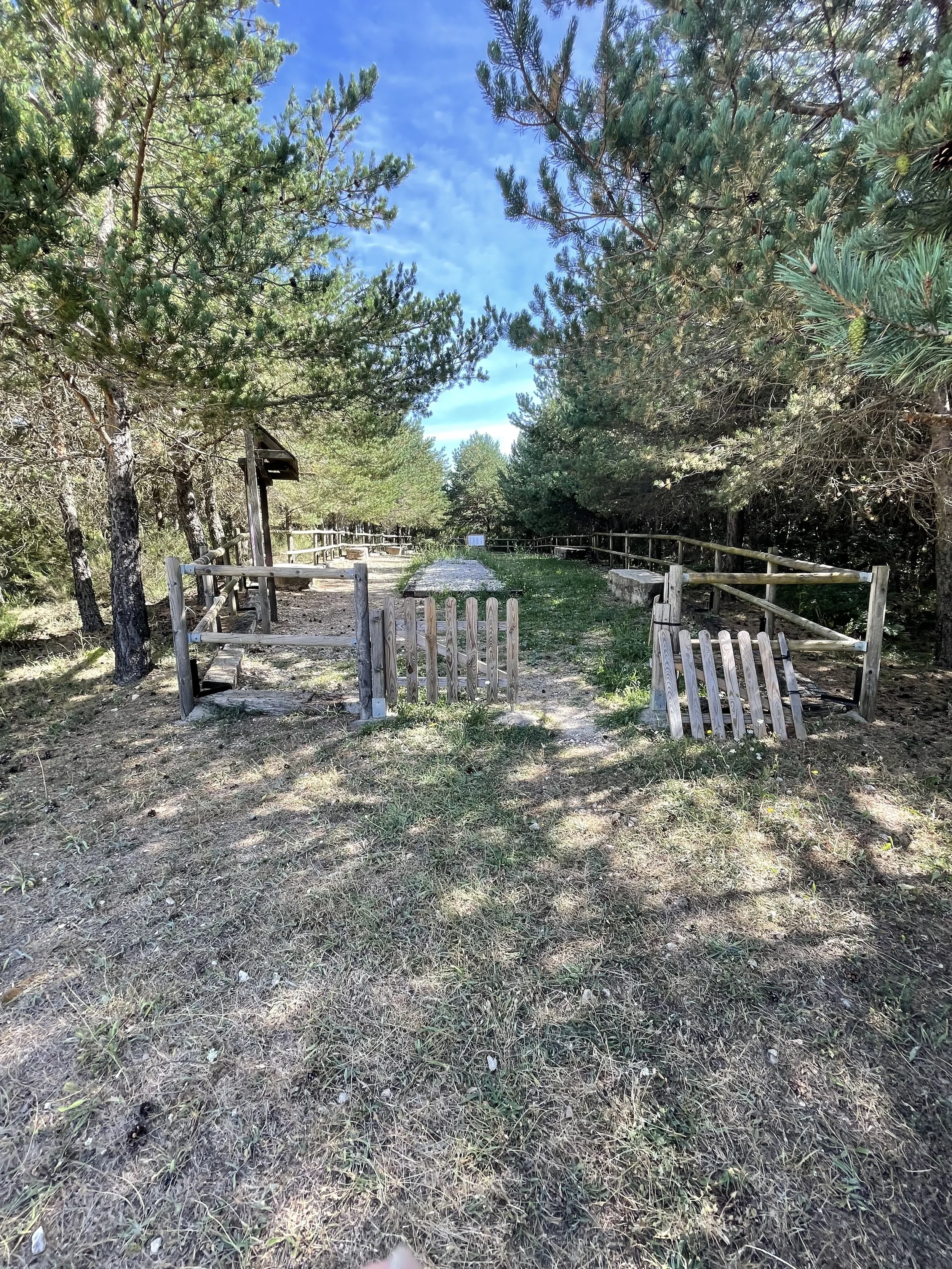
Cemetery of over 110 citizens assassinated in 1936
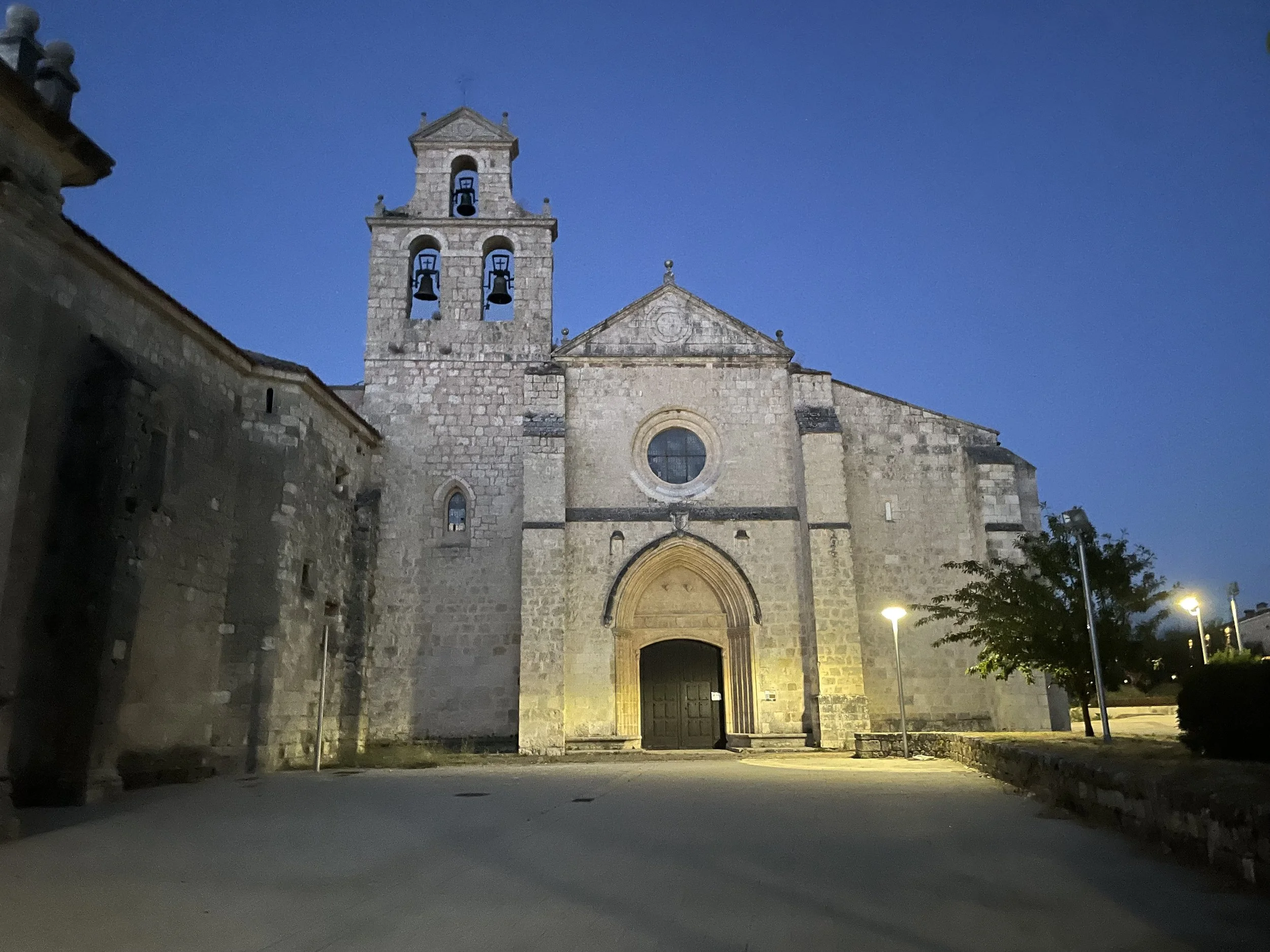
Pilgrim art
San Juan de Ortega
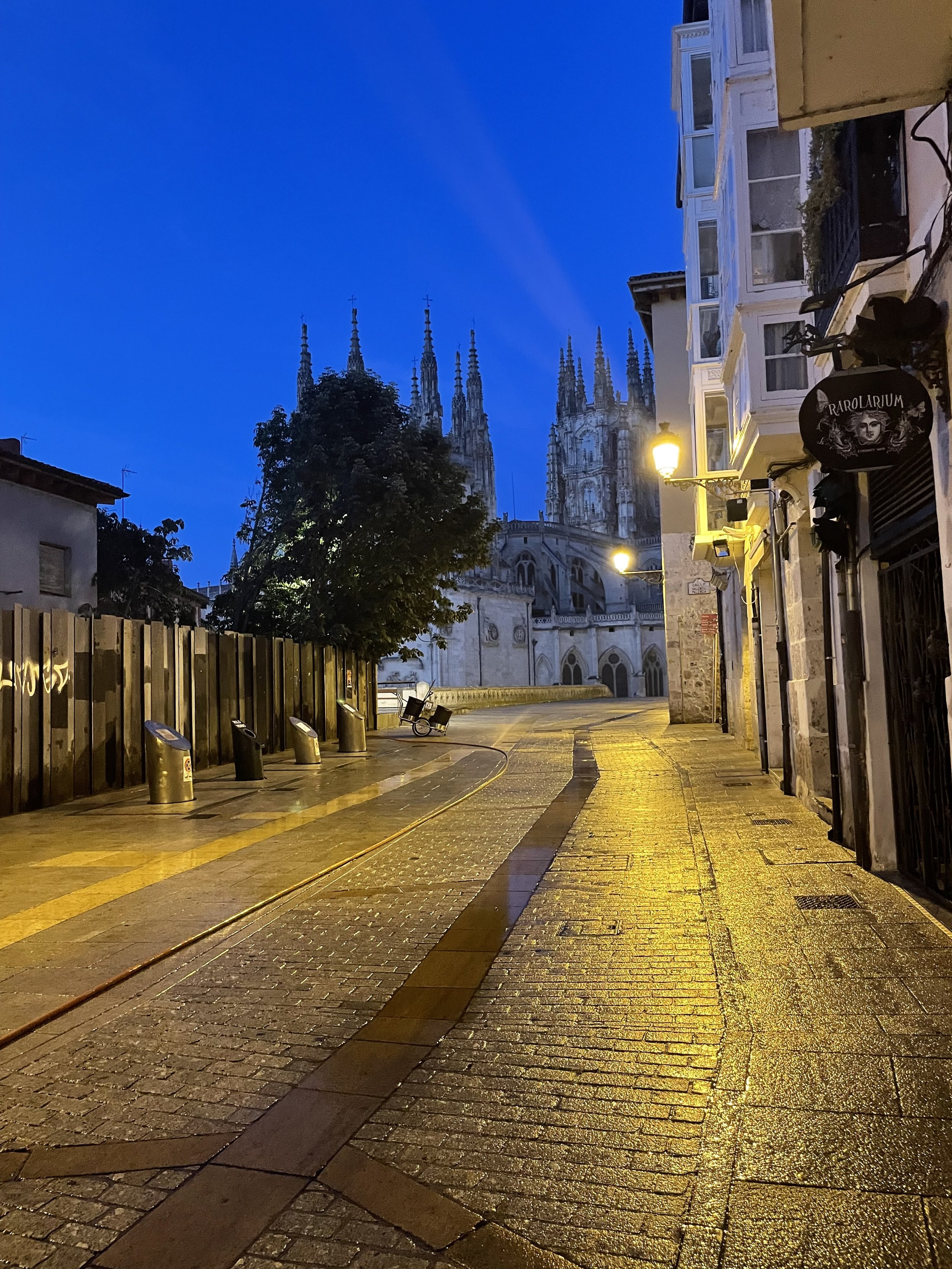
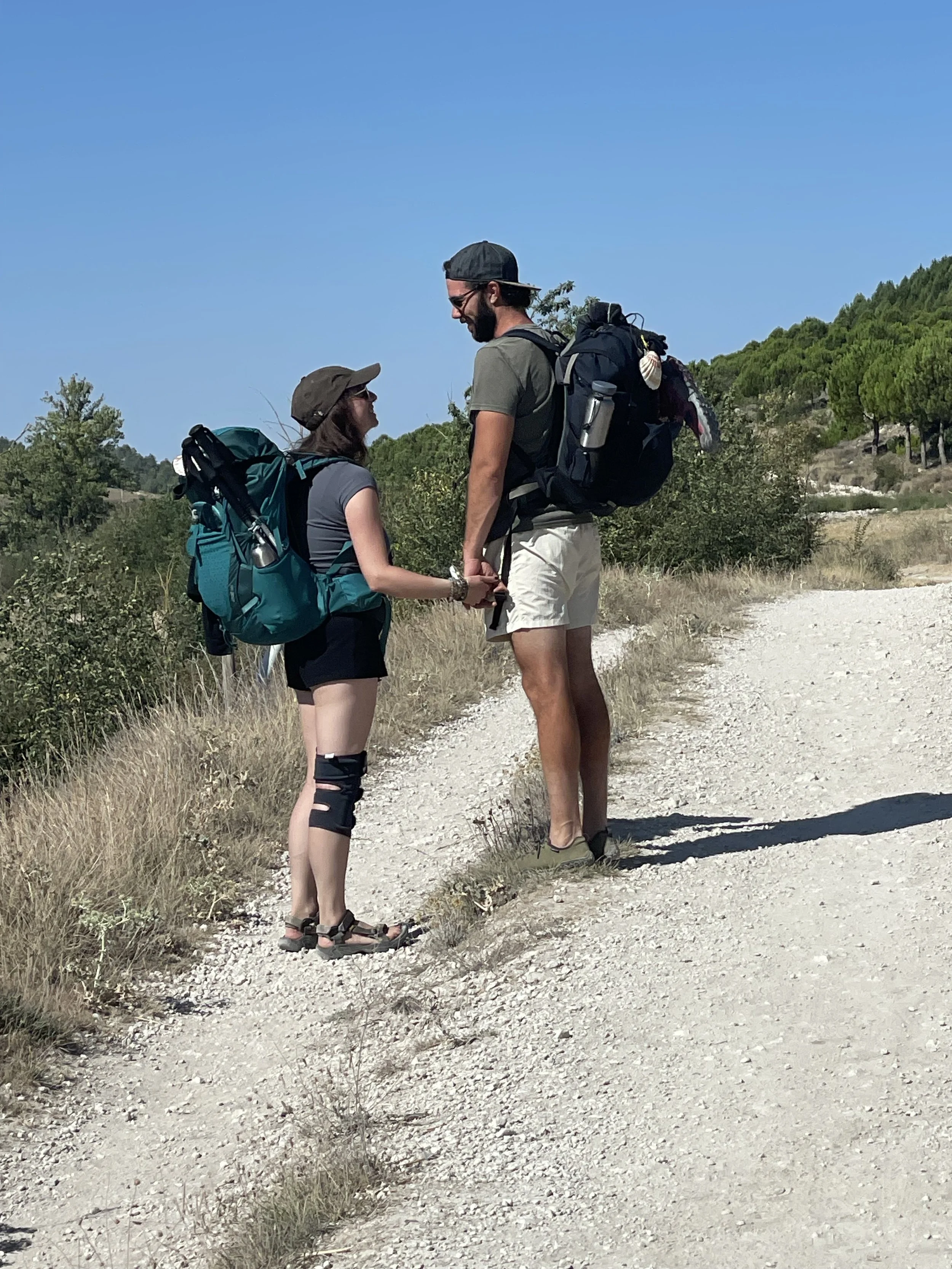
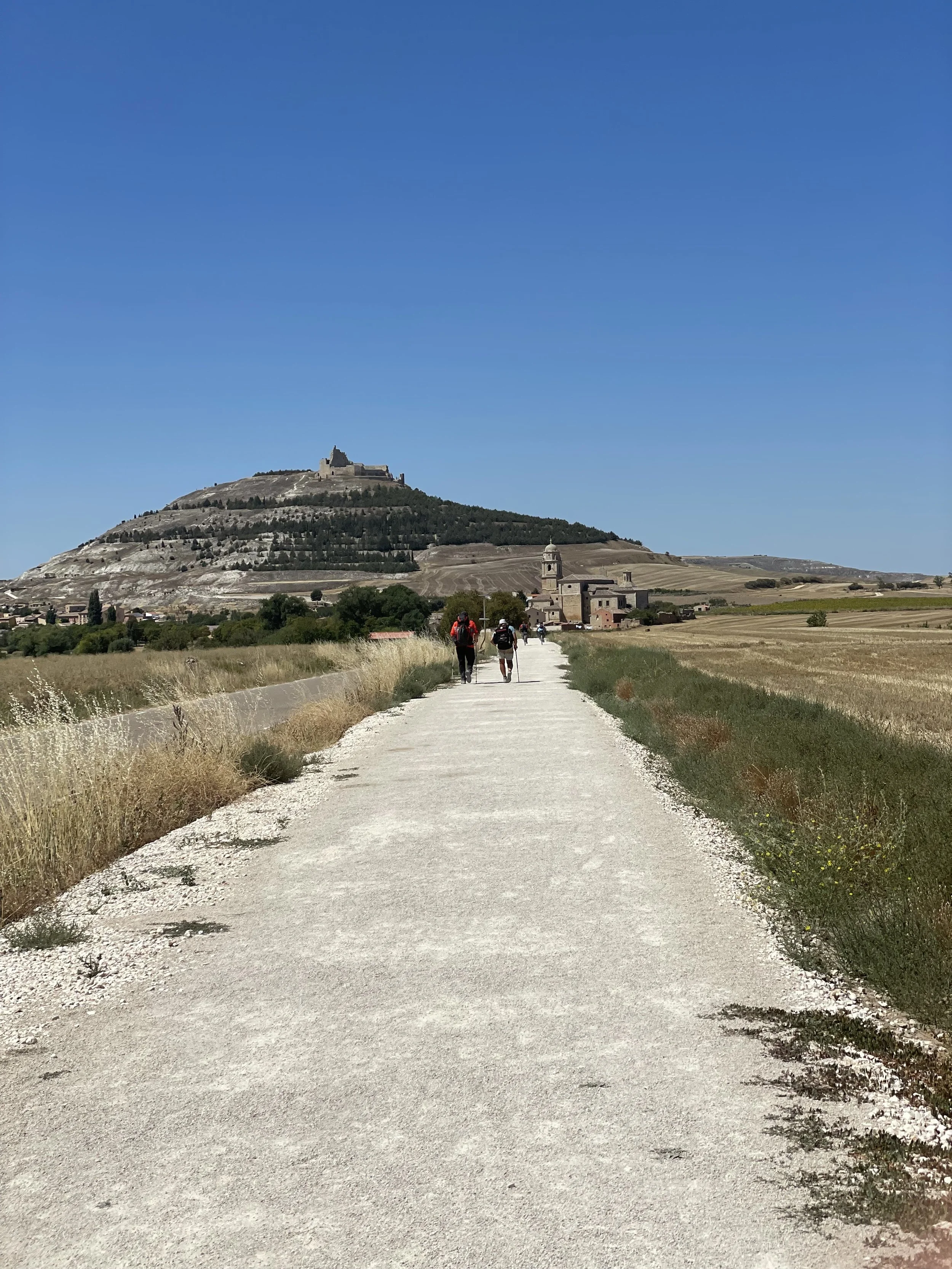
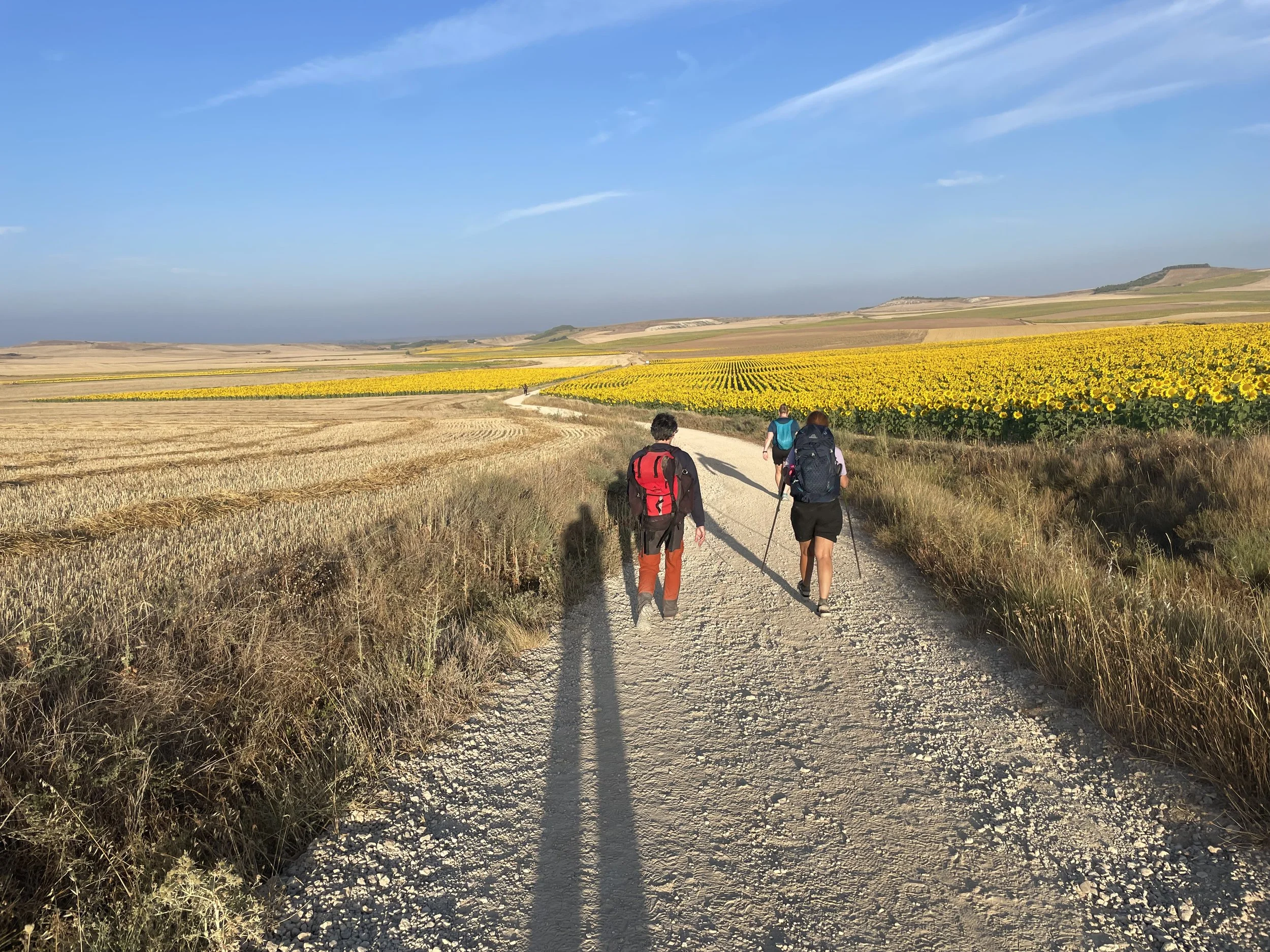
Iconic graffiti
Leaving Logroño
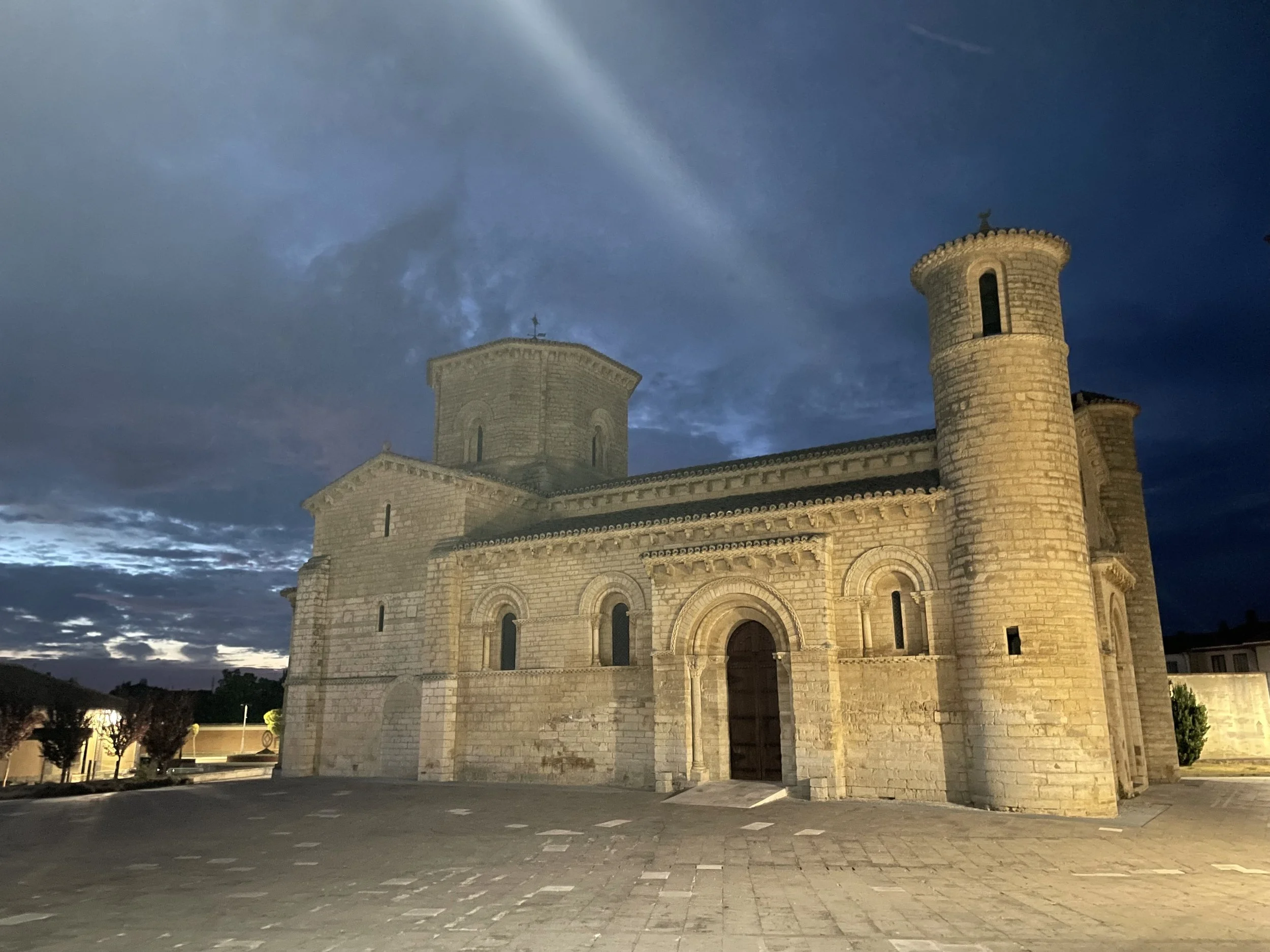
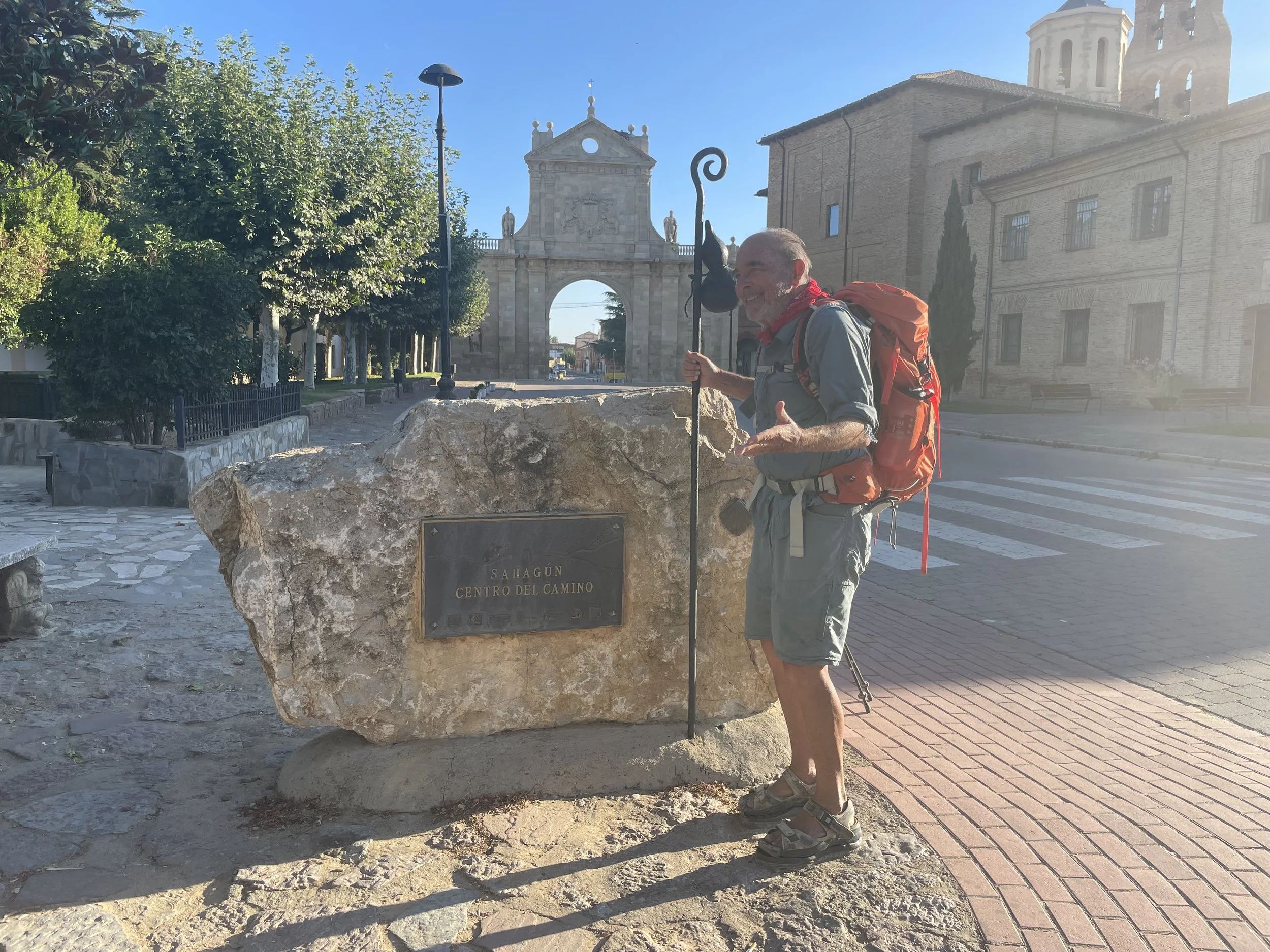
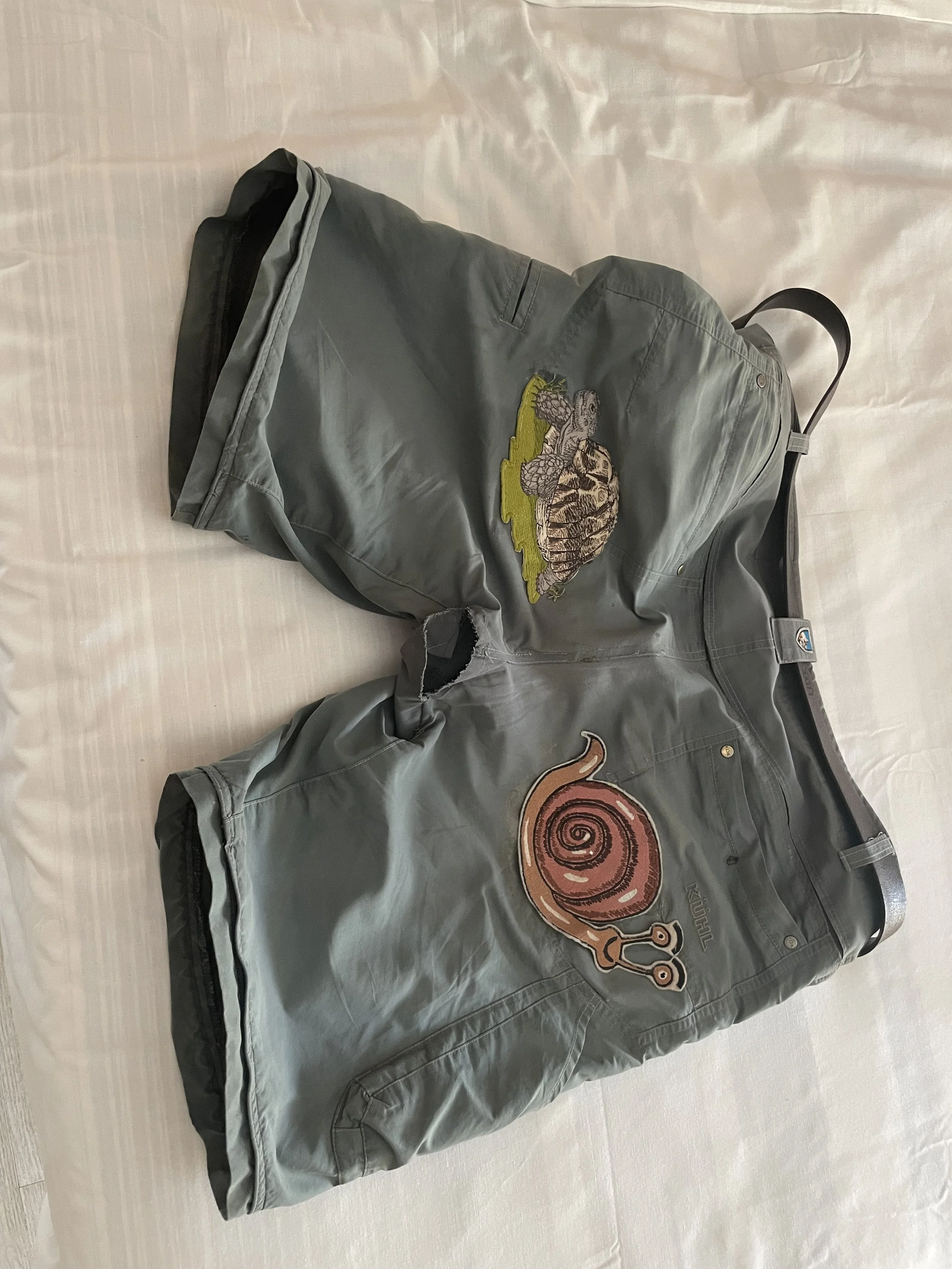
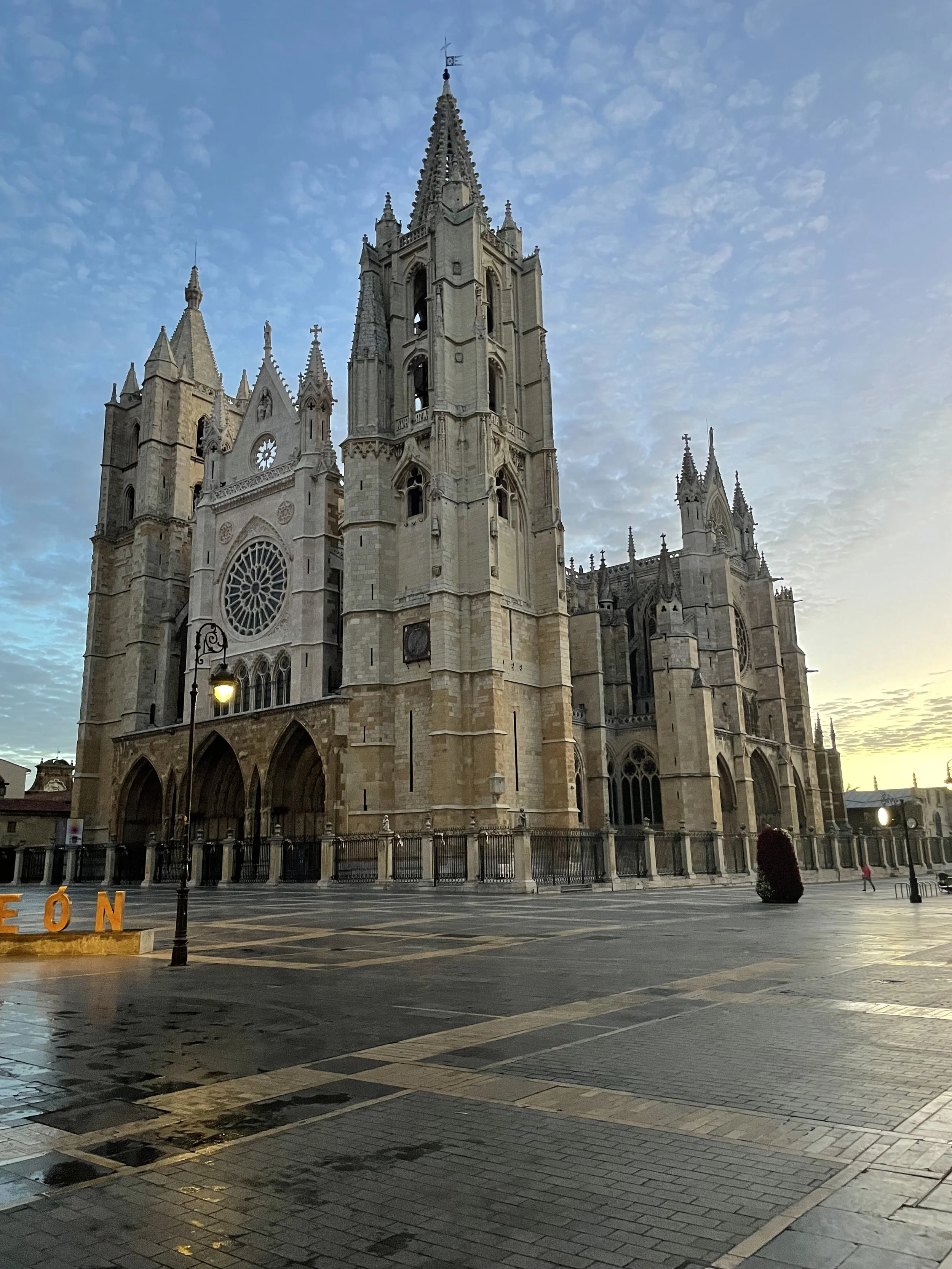
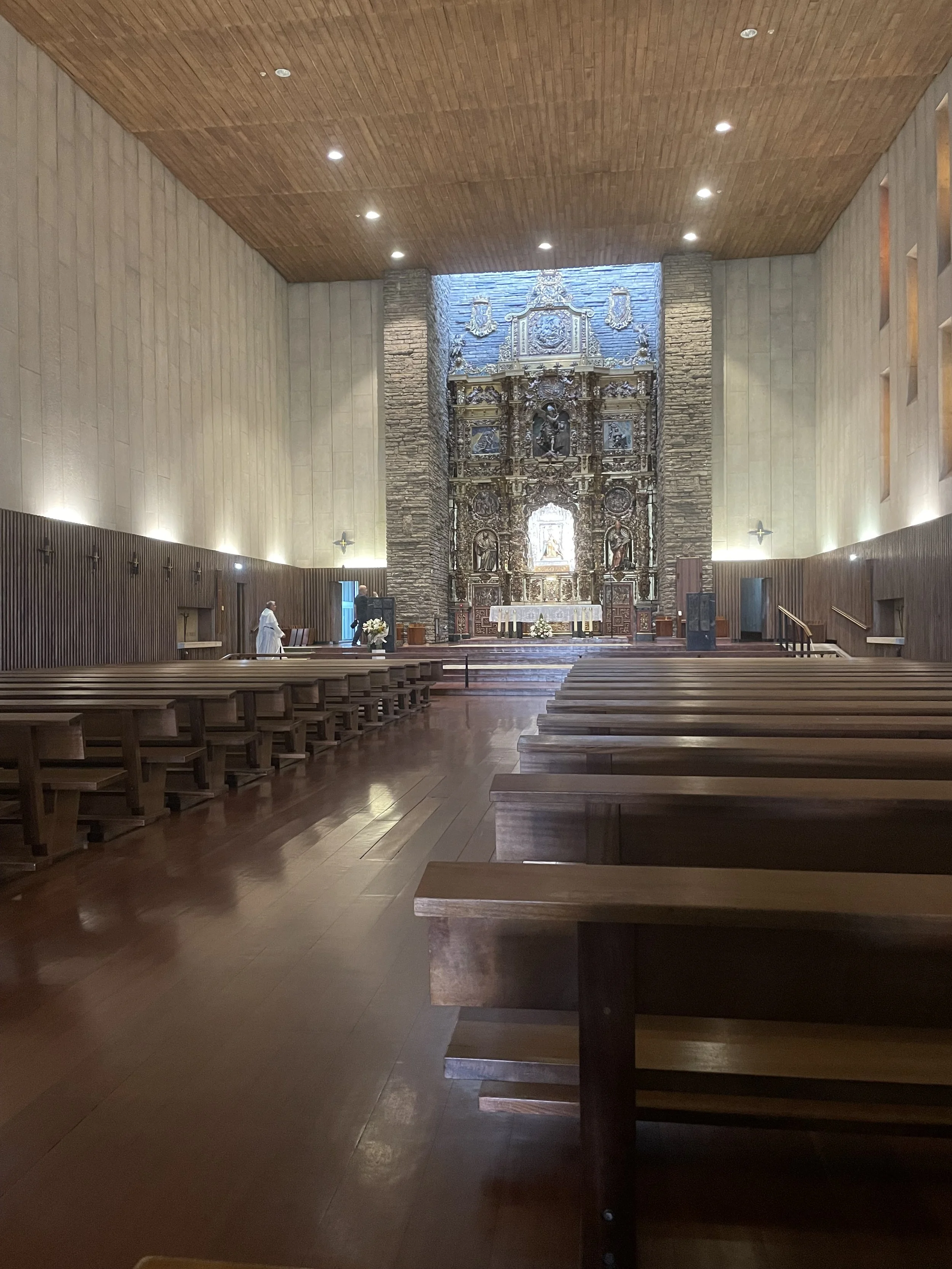
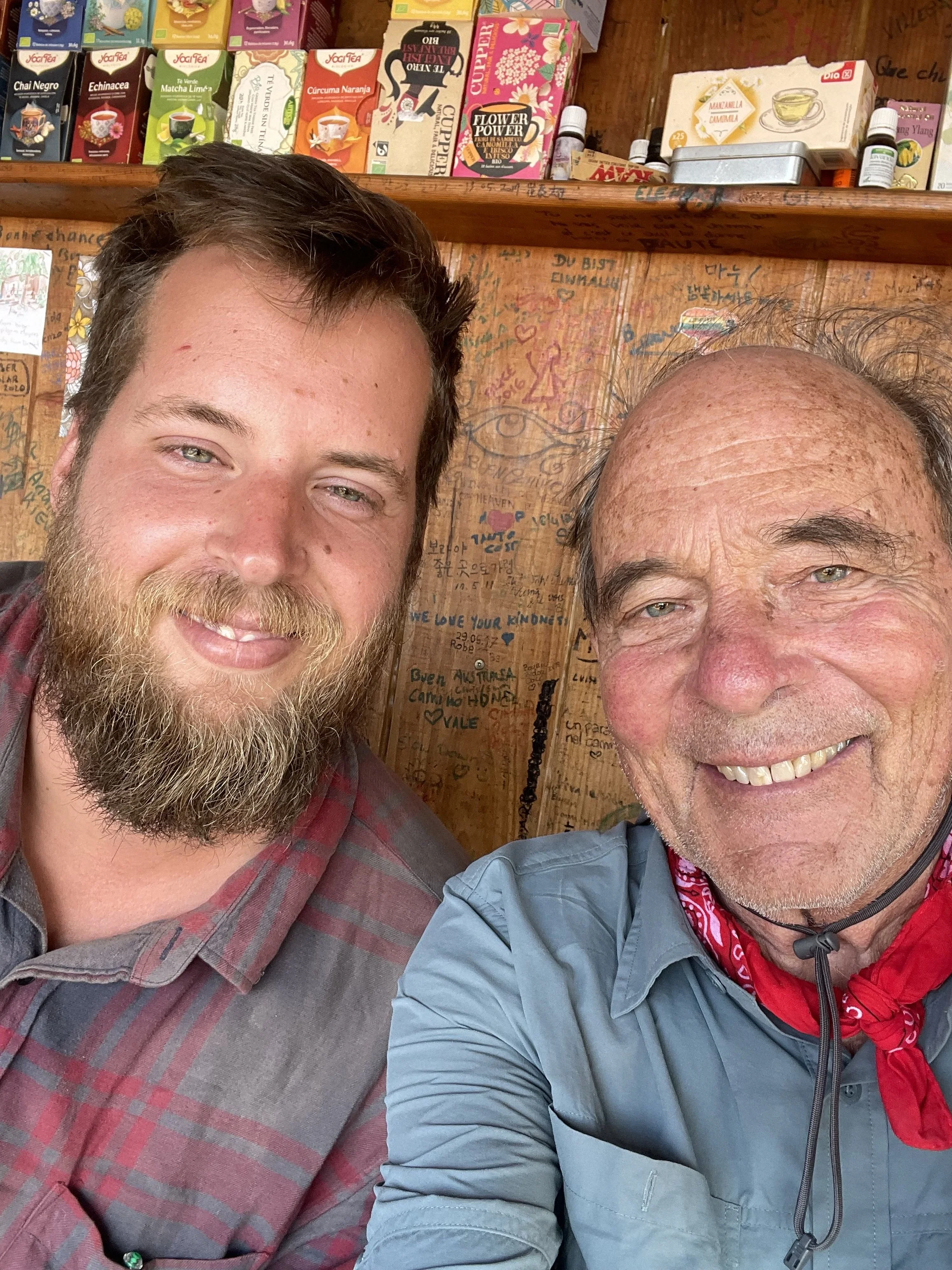
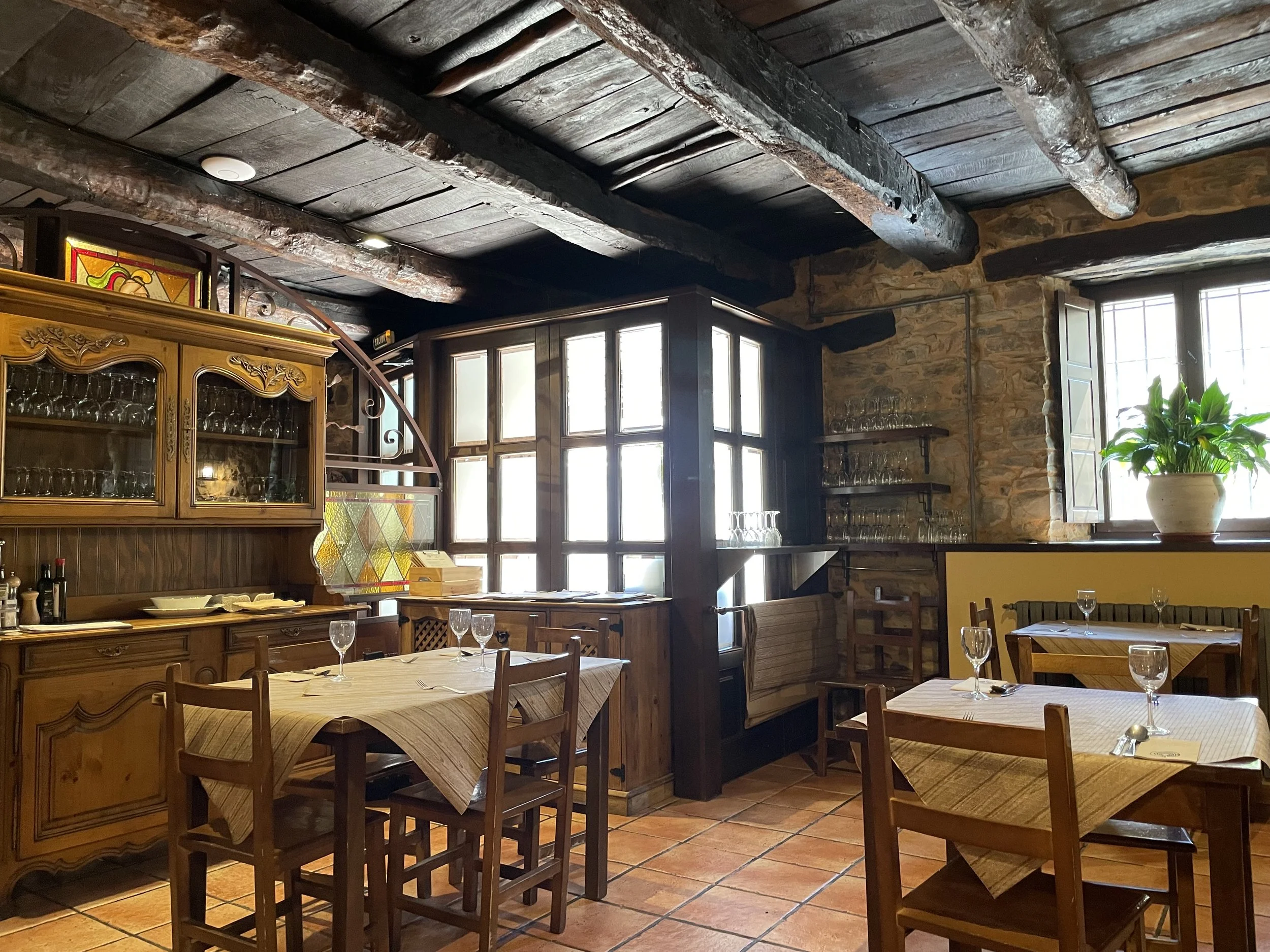
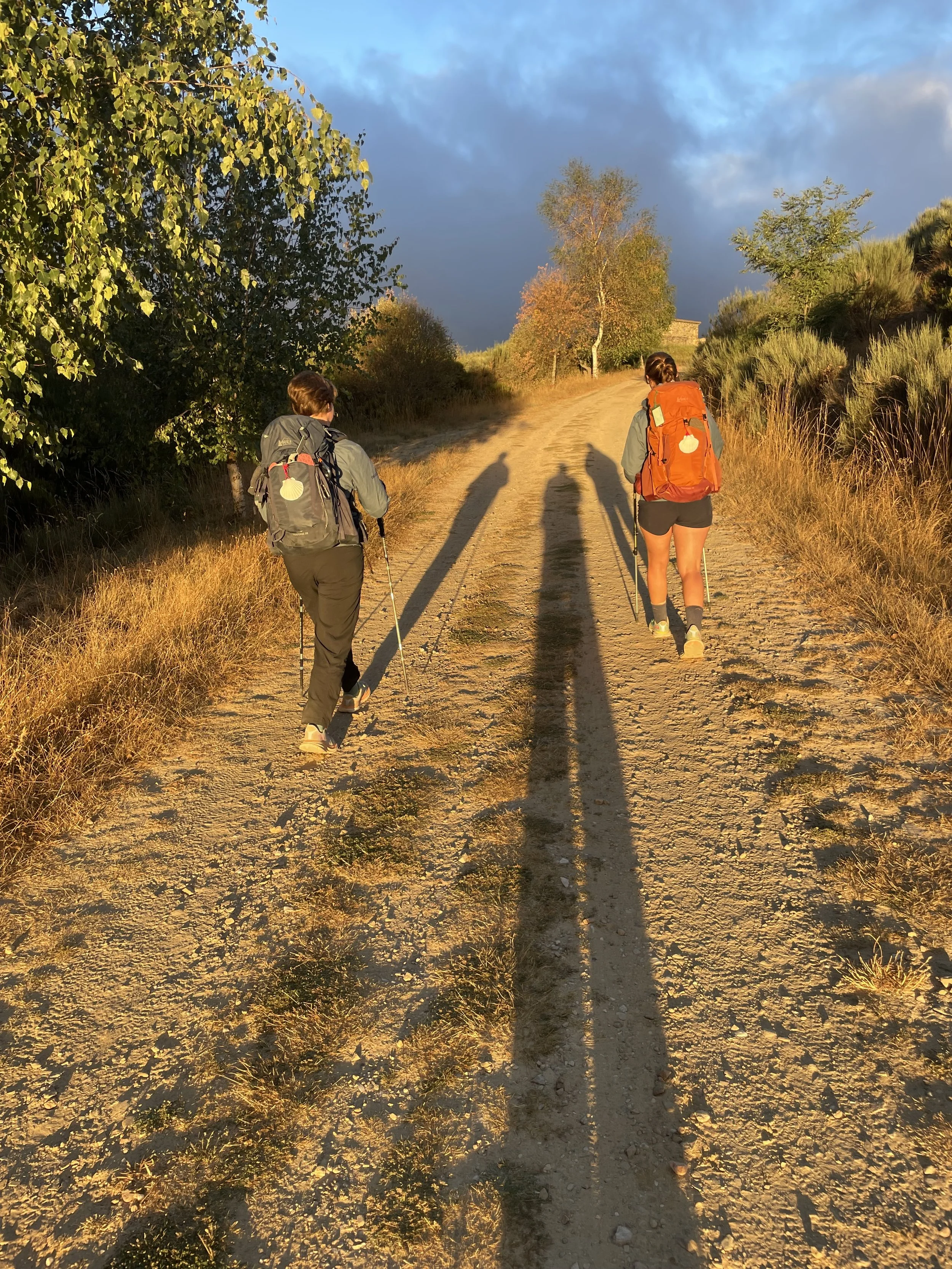
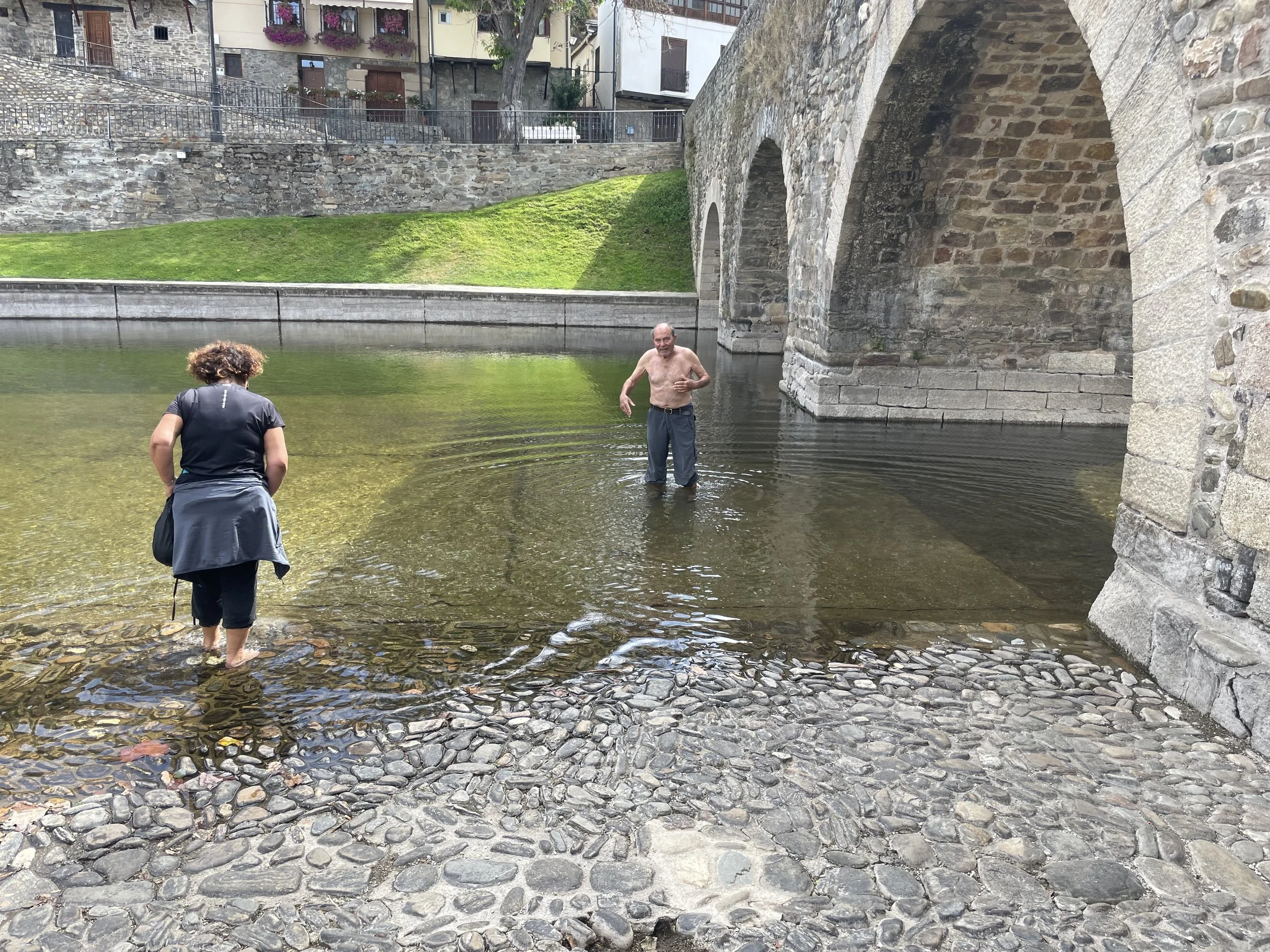
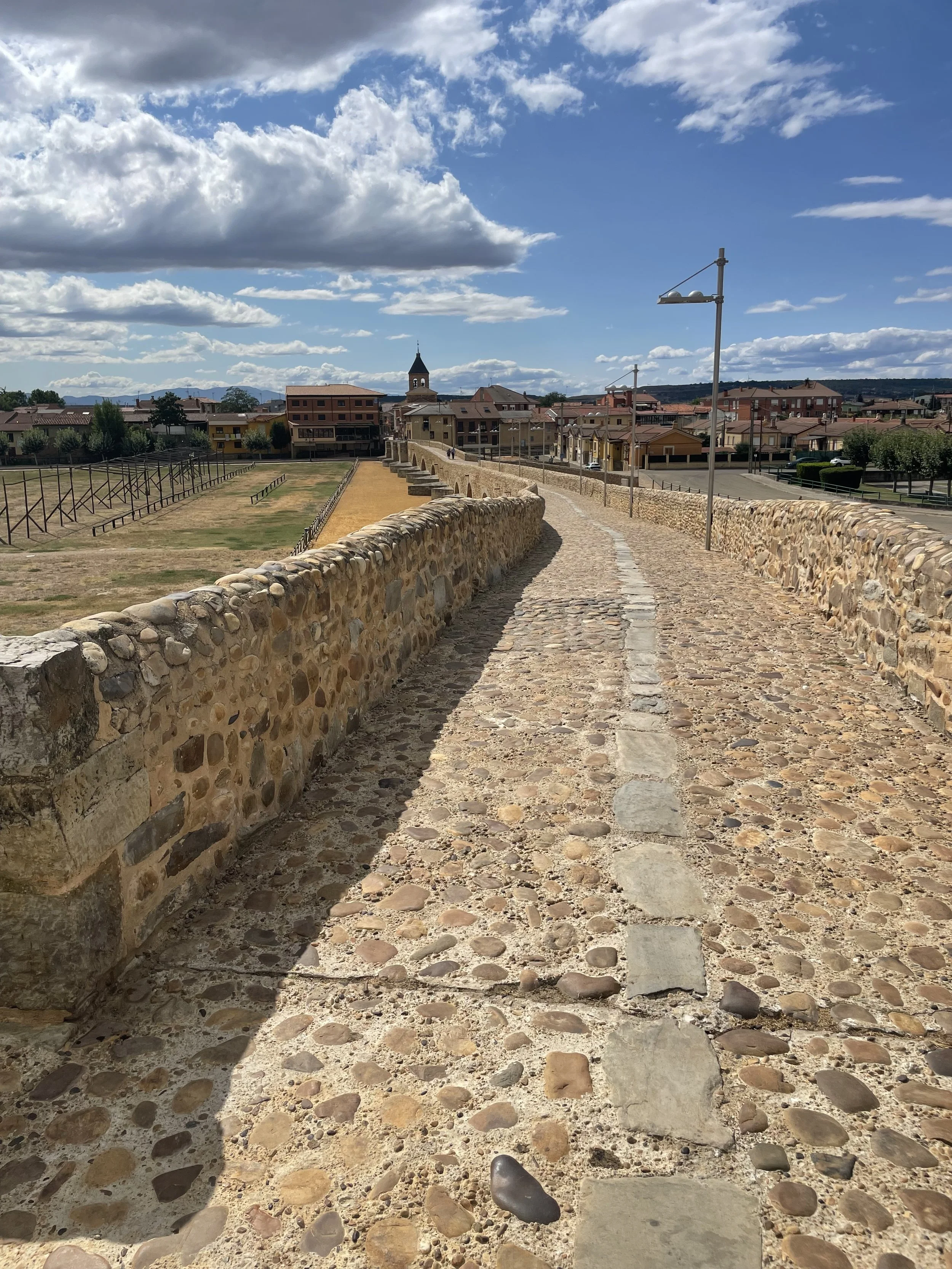
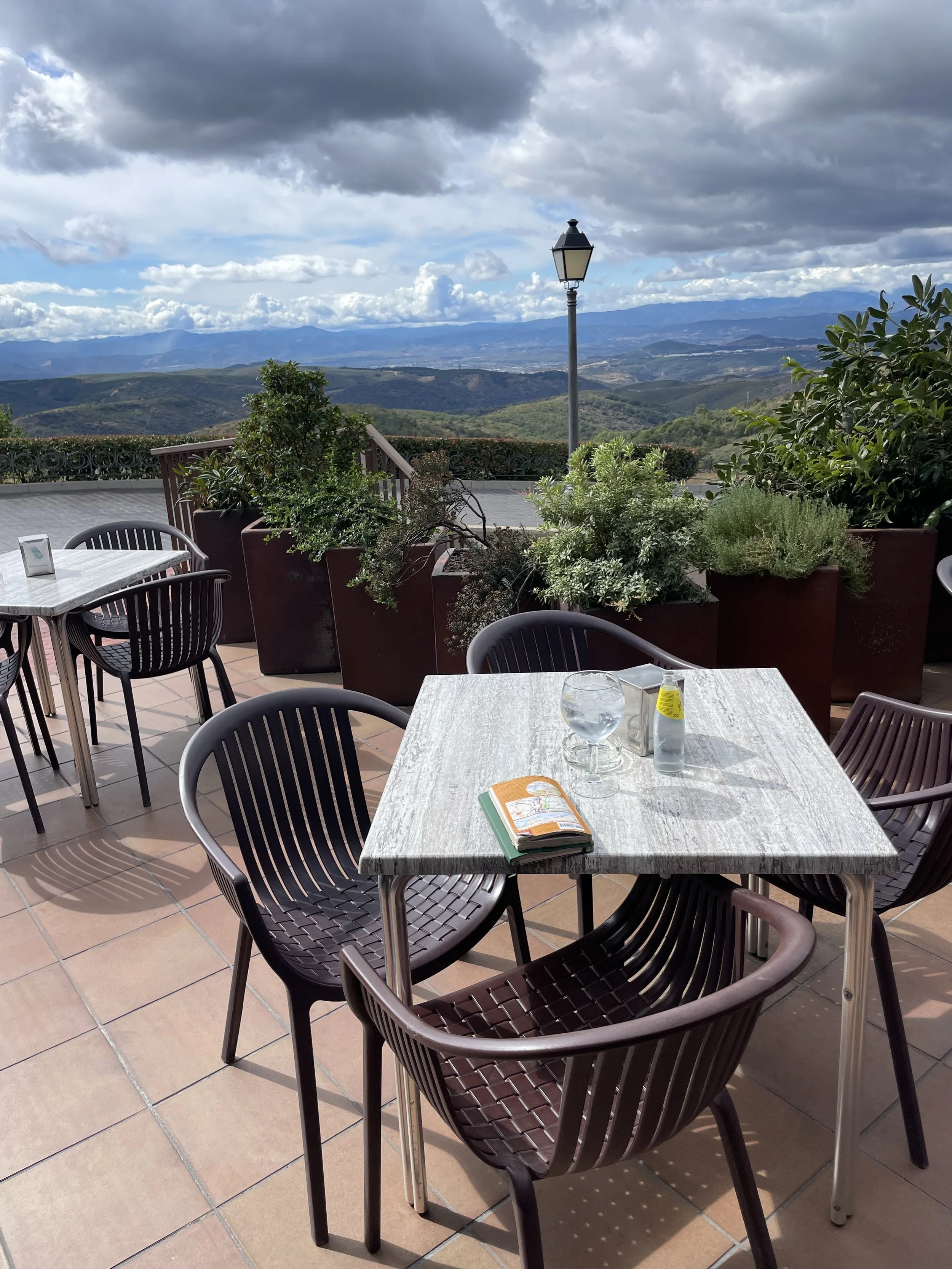
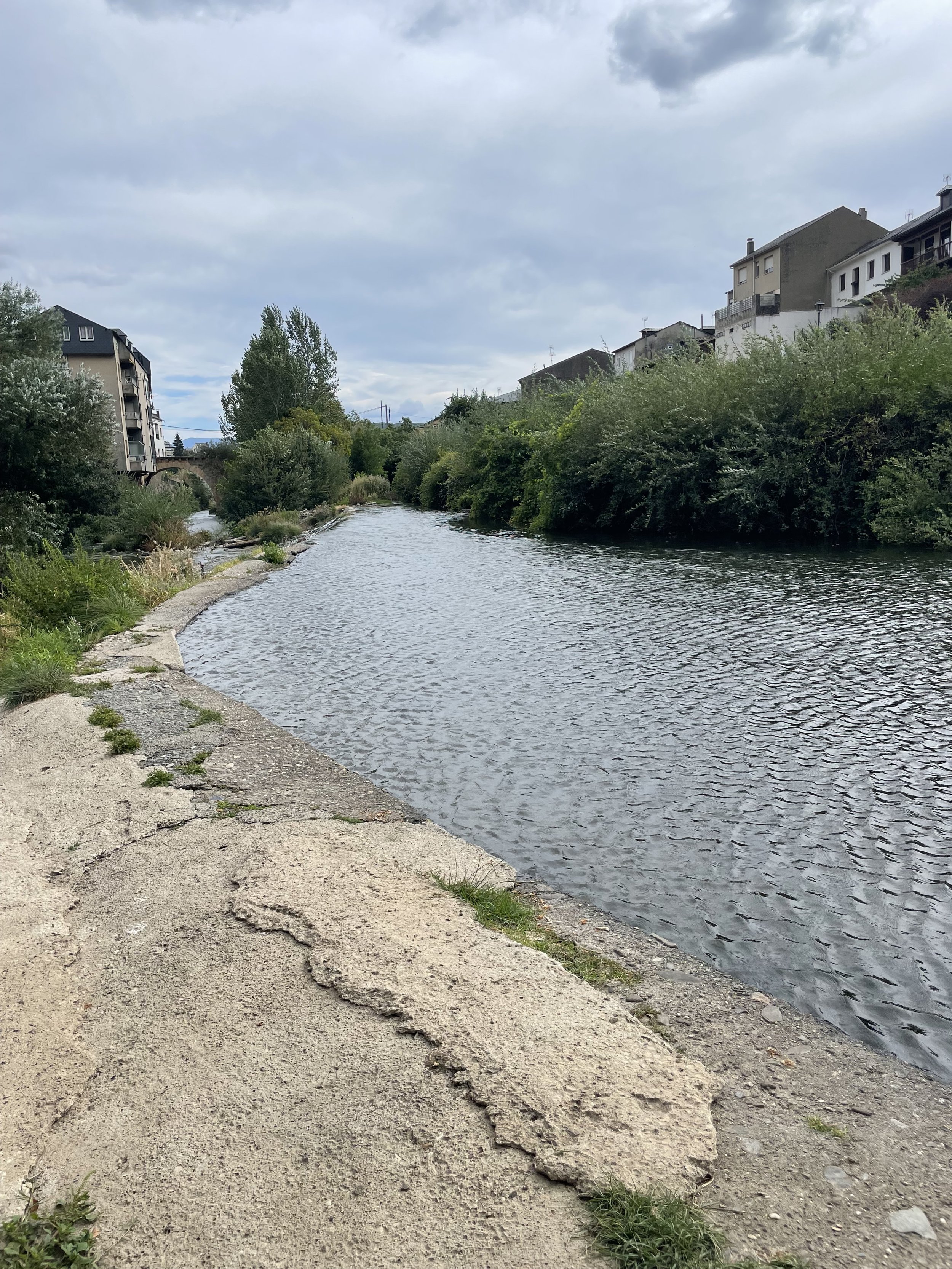
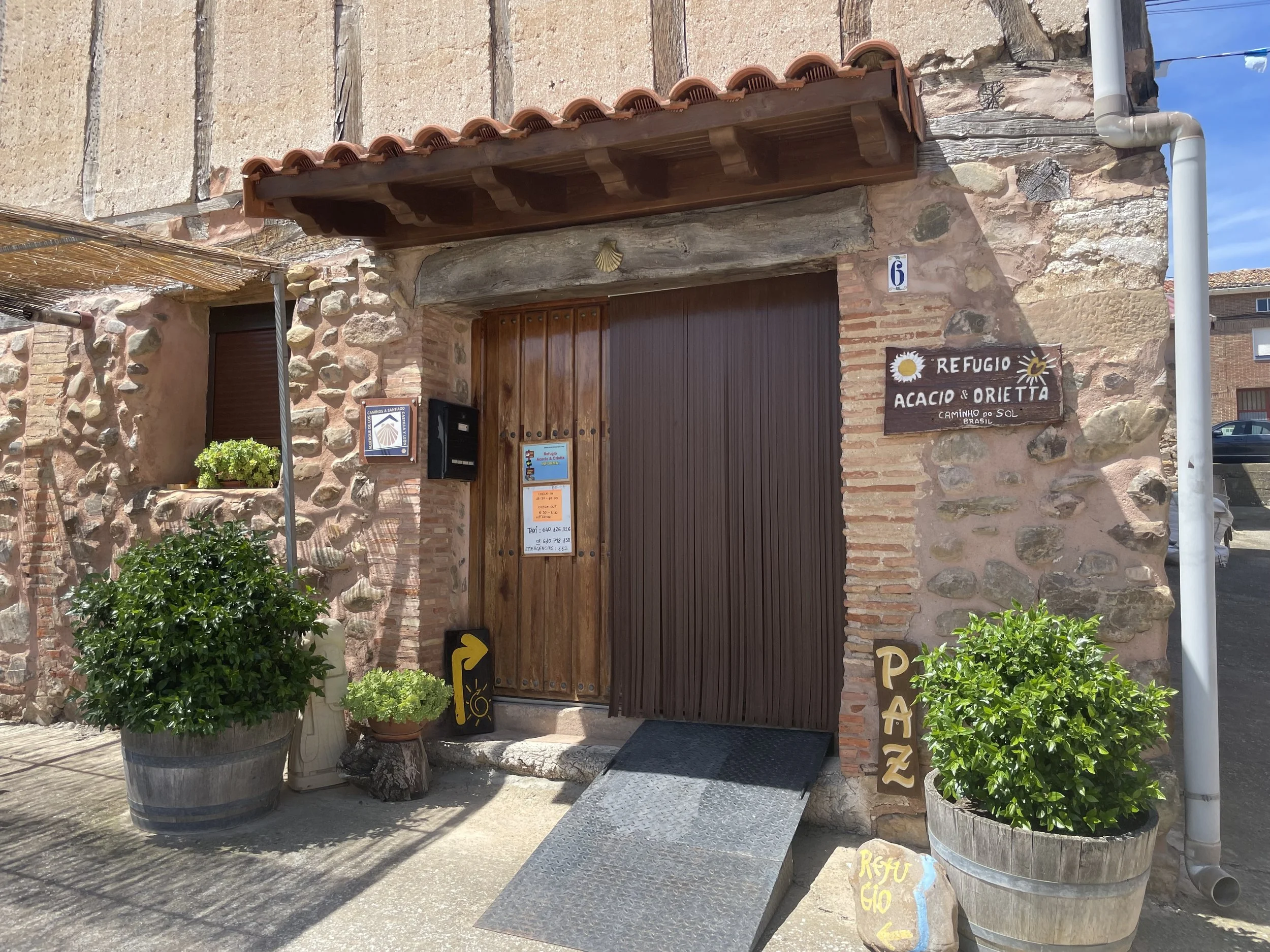
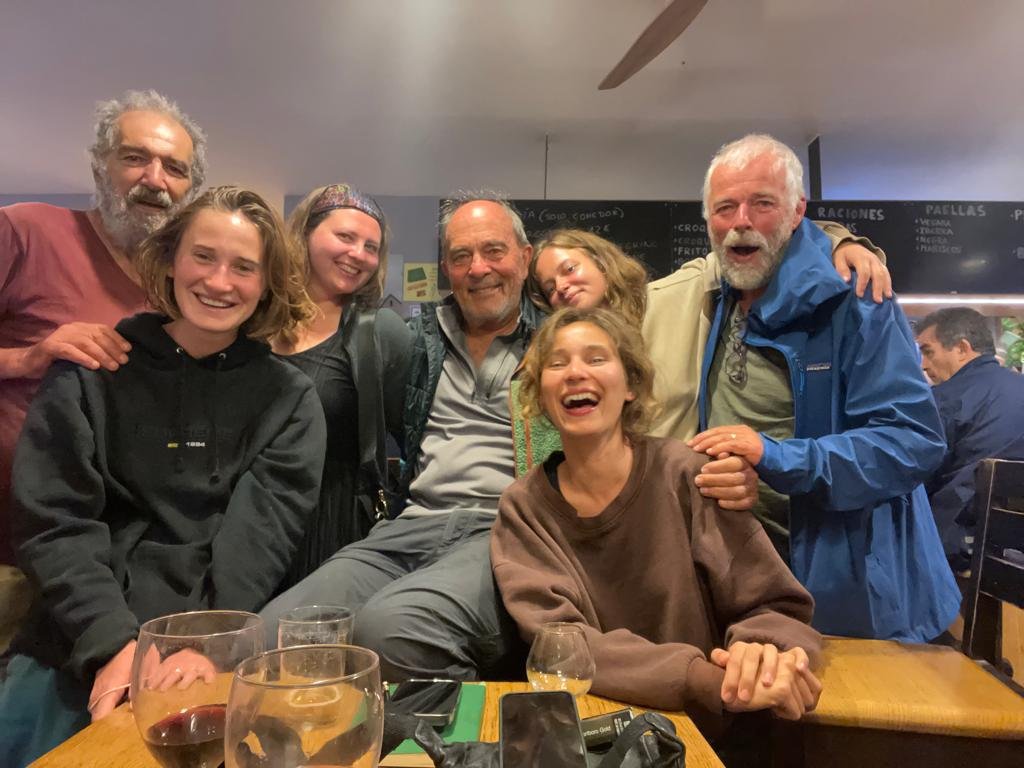
Acacio and Orietta
Early morning start
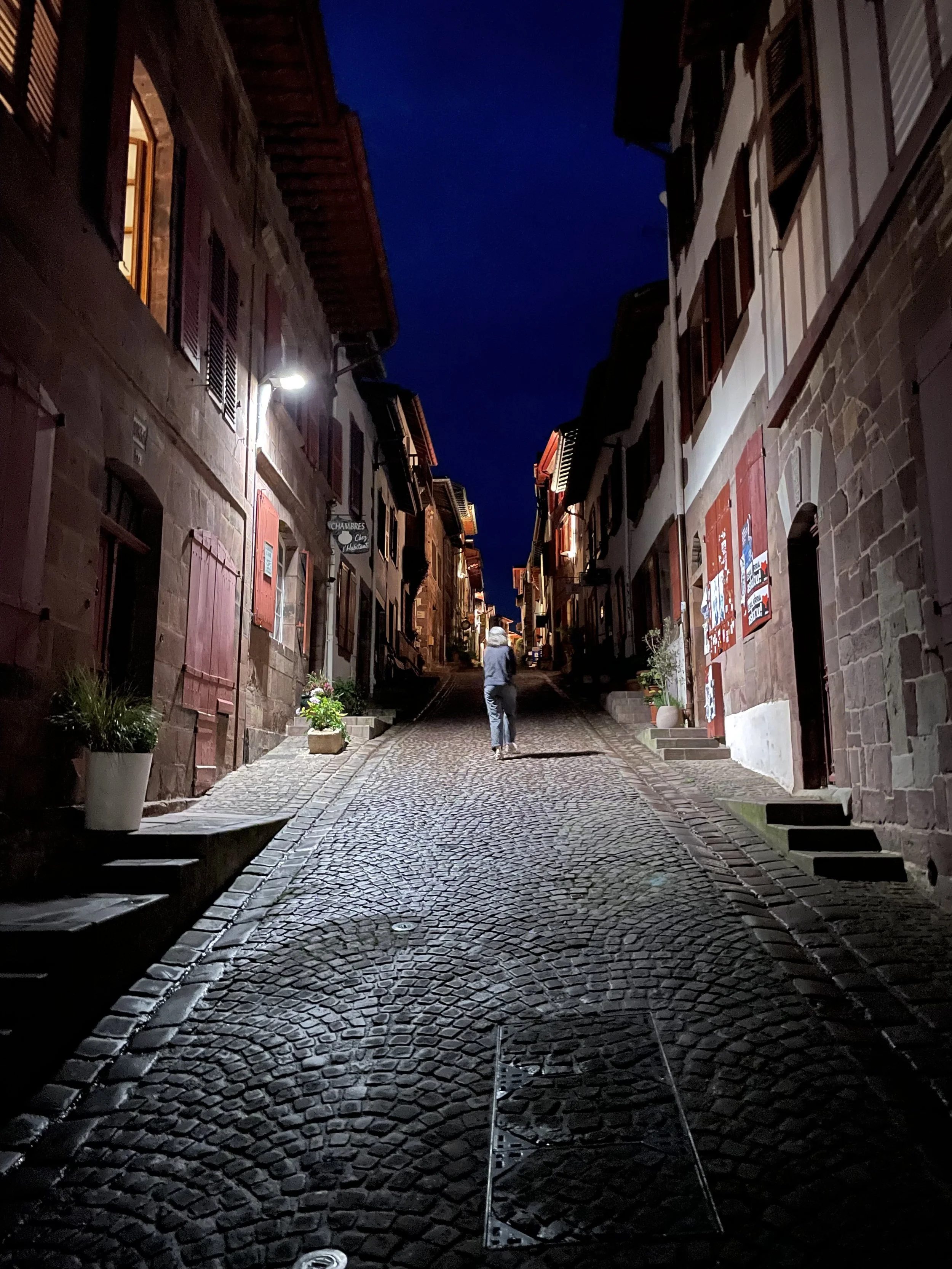
St.-Jean-Pied-de-Port
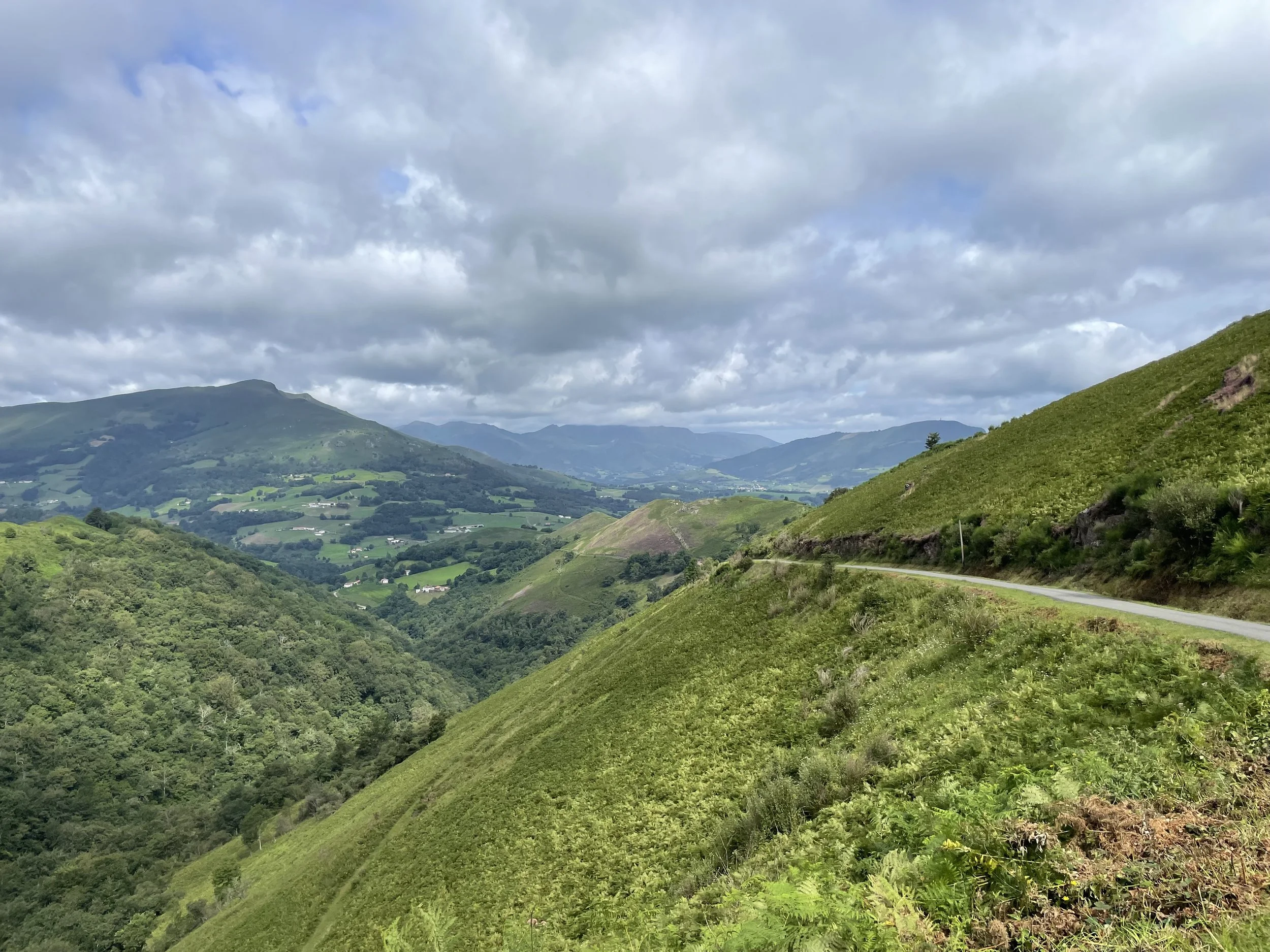
Climb up the Napoleon route
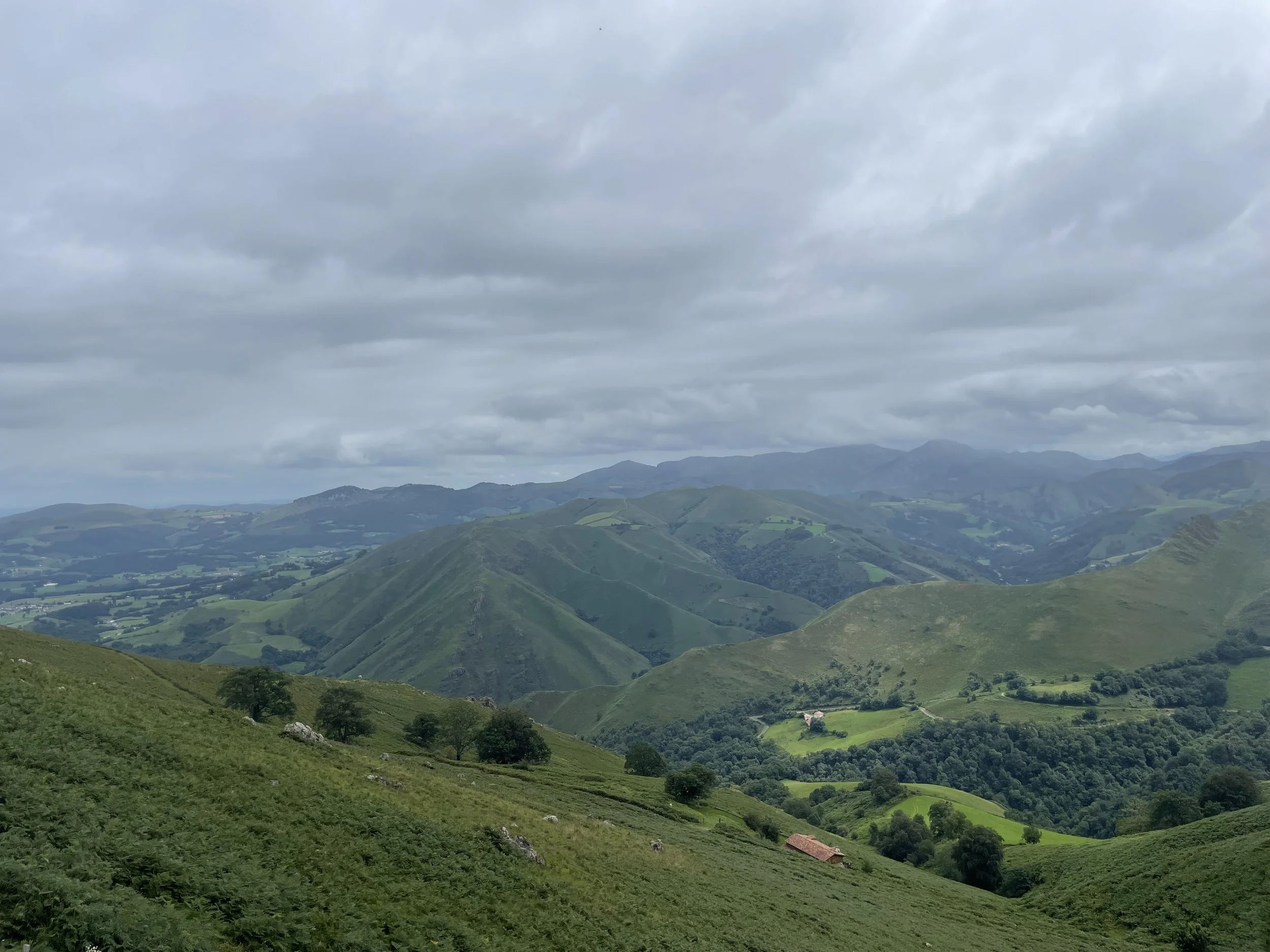
The Pyrenees from Albergue Borda
Leaving Puente la Reina
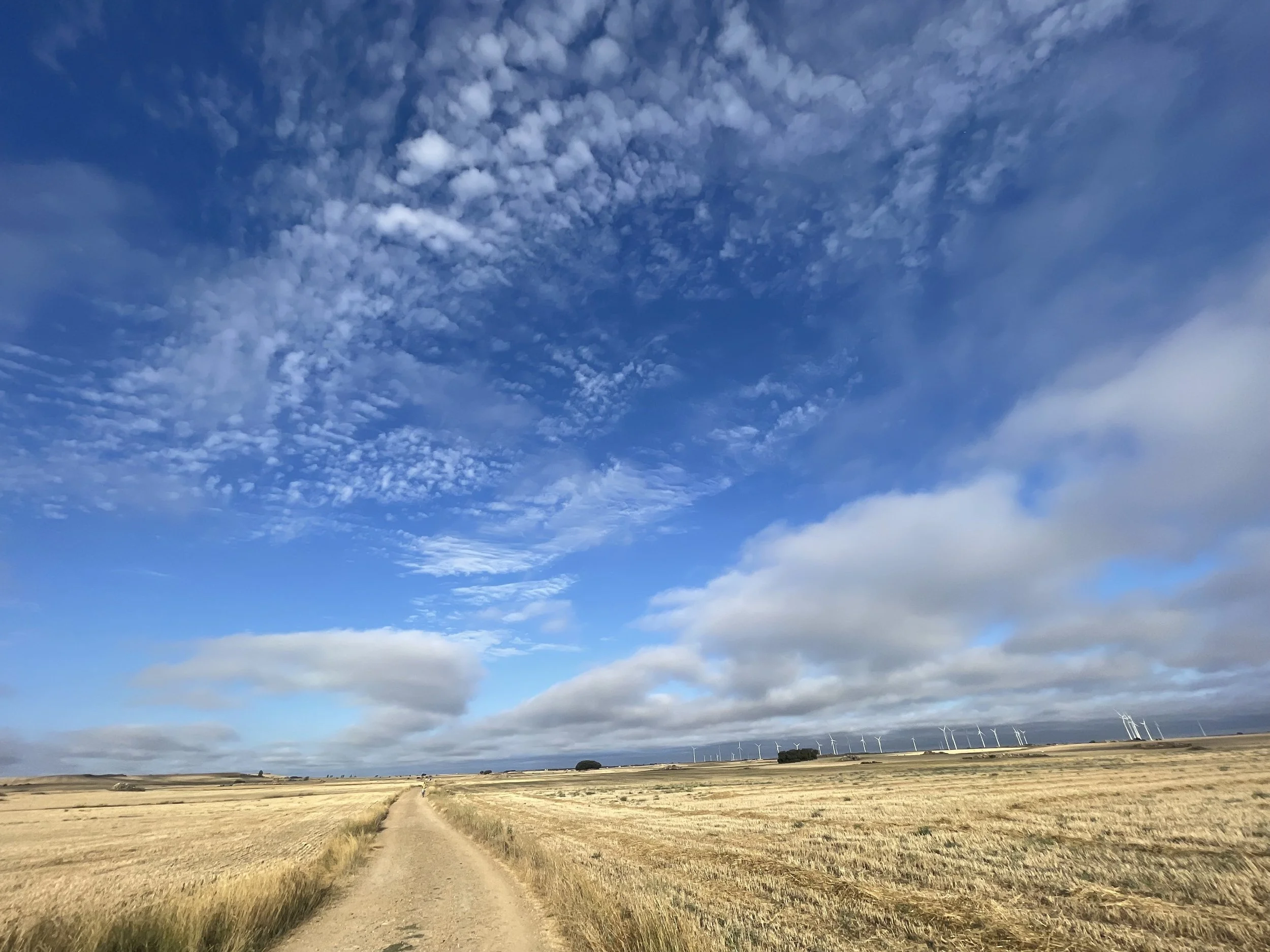
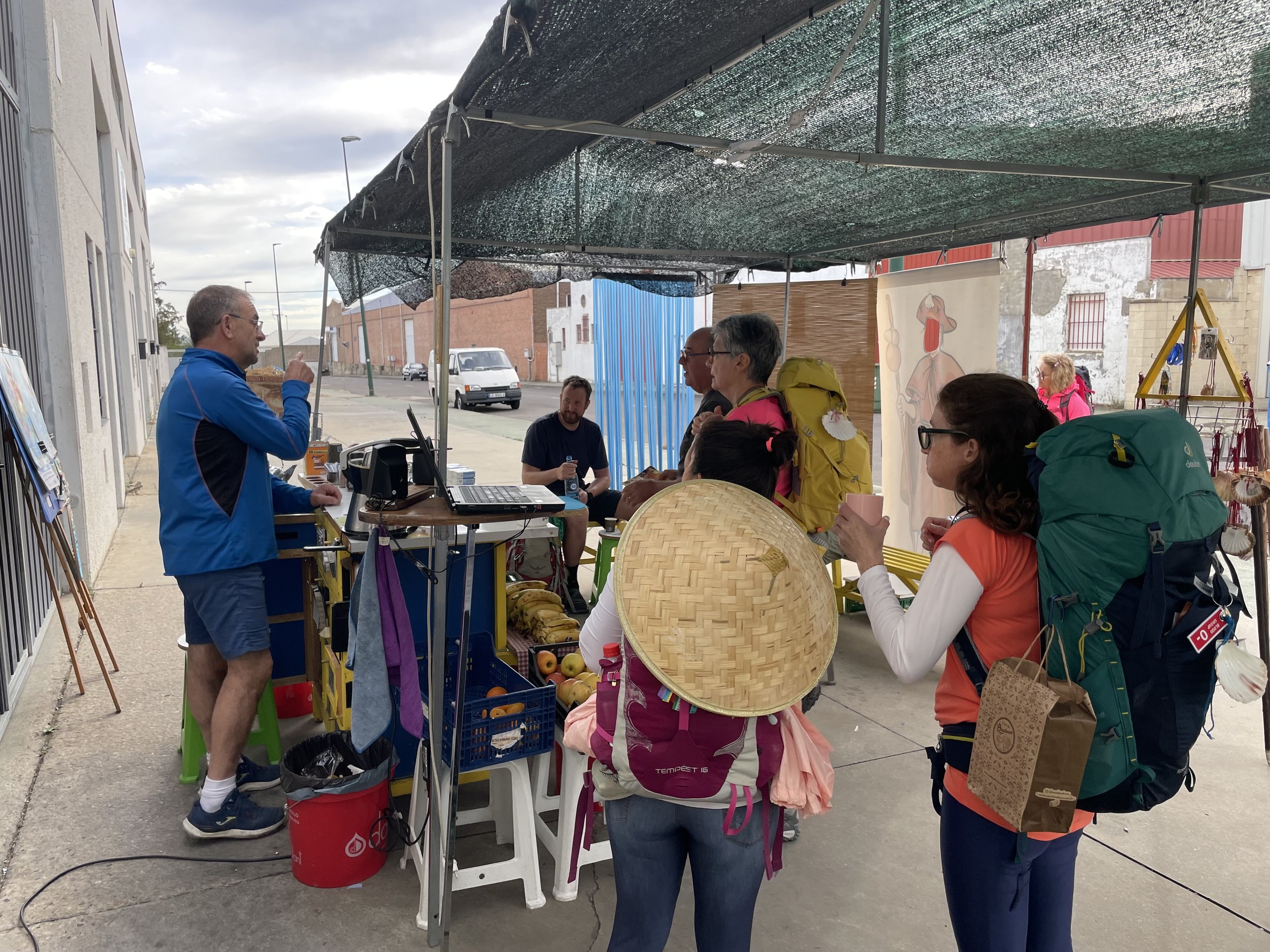
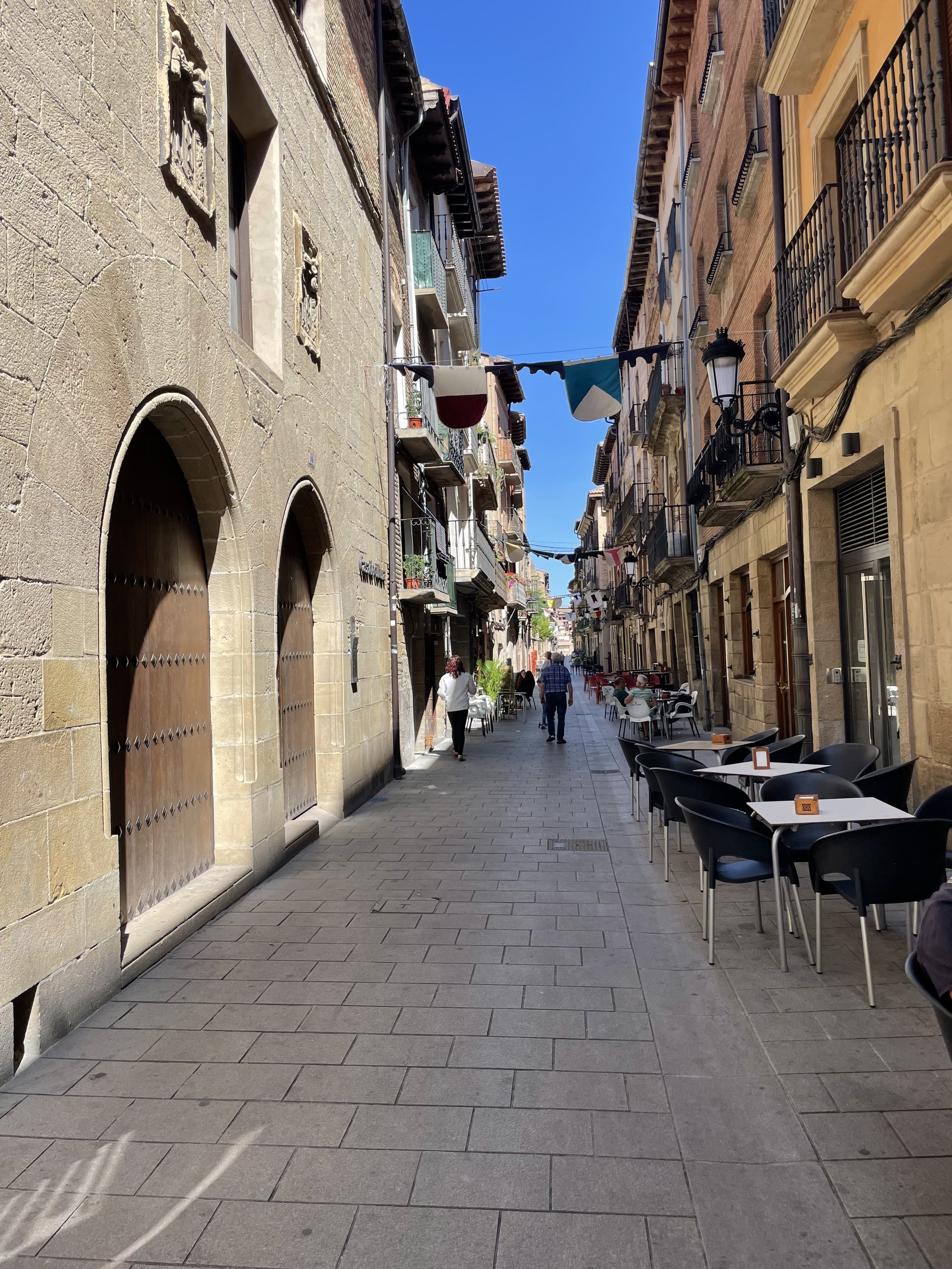
Viana
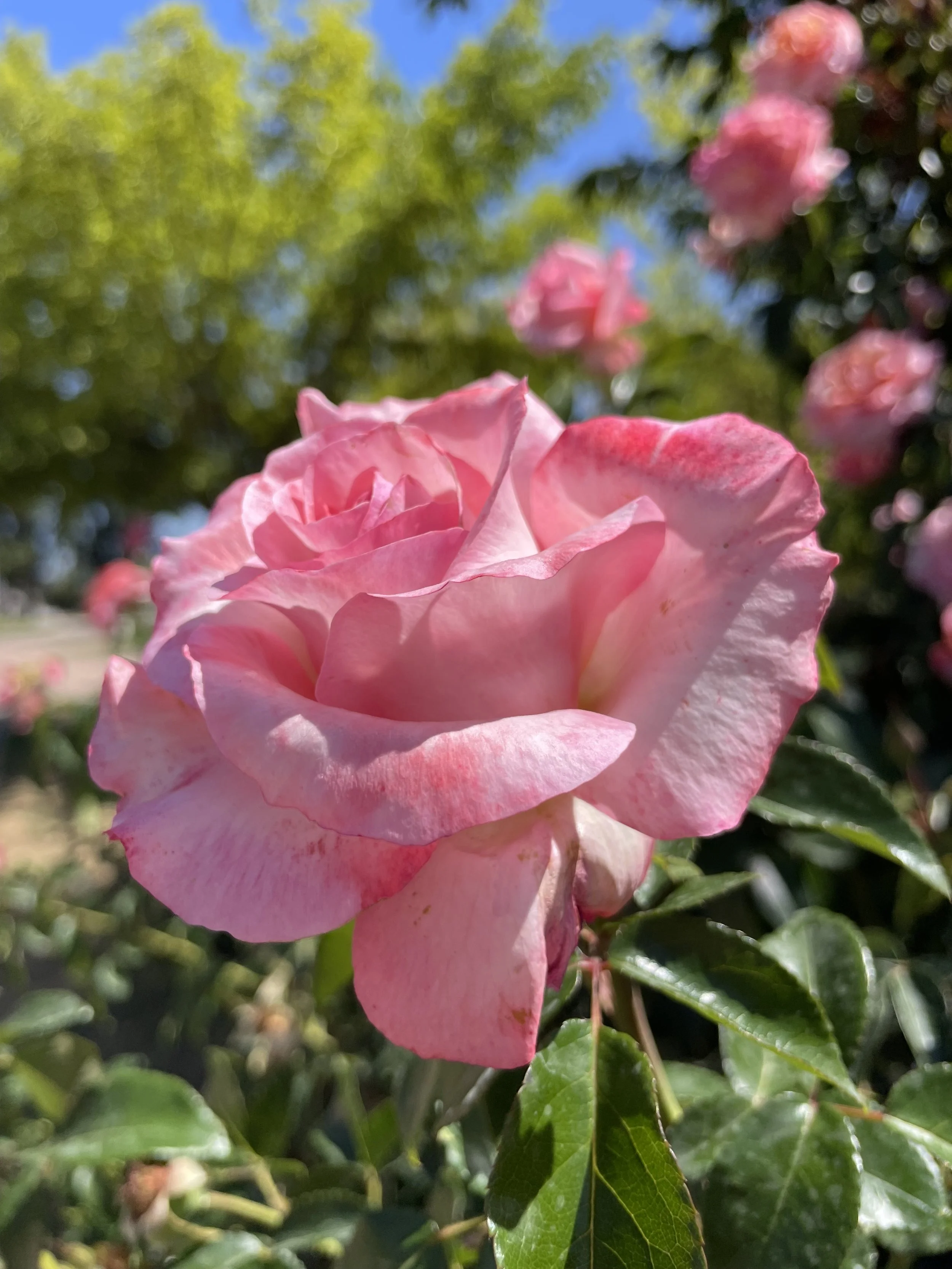
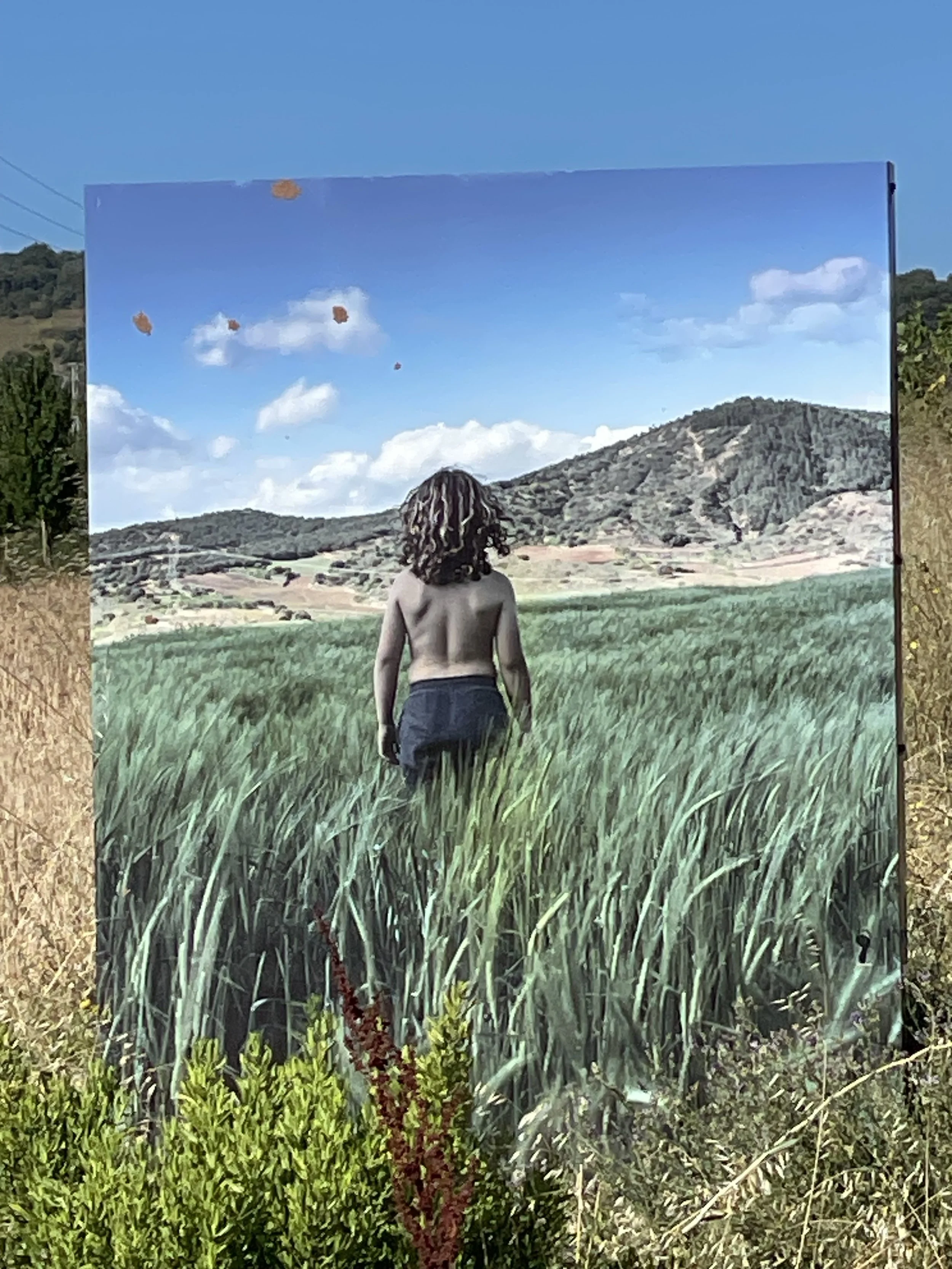
Art approaching Ventosa
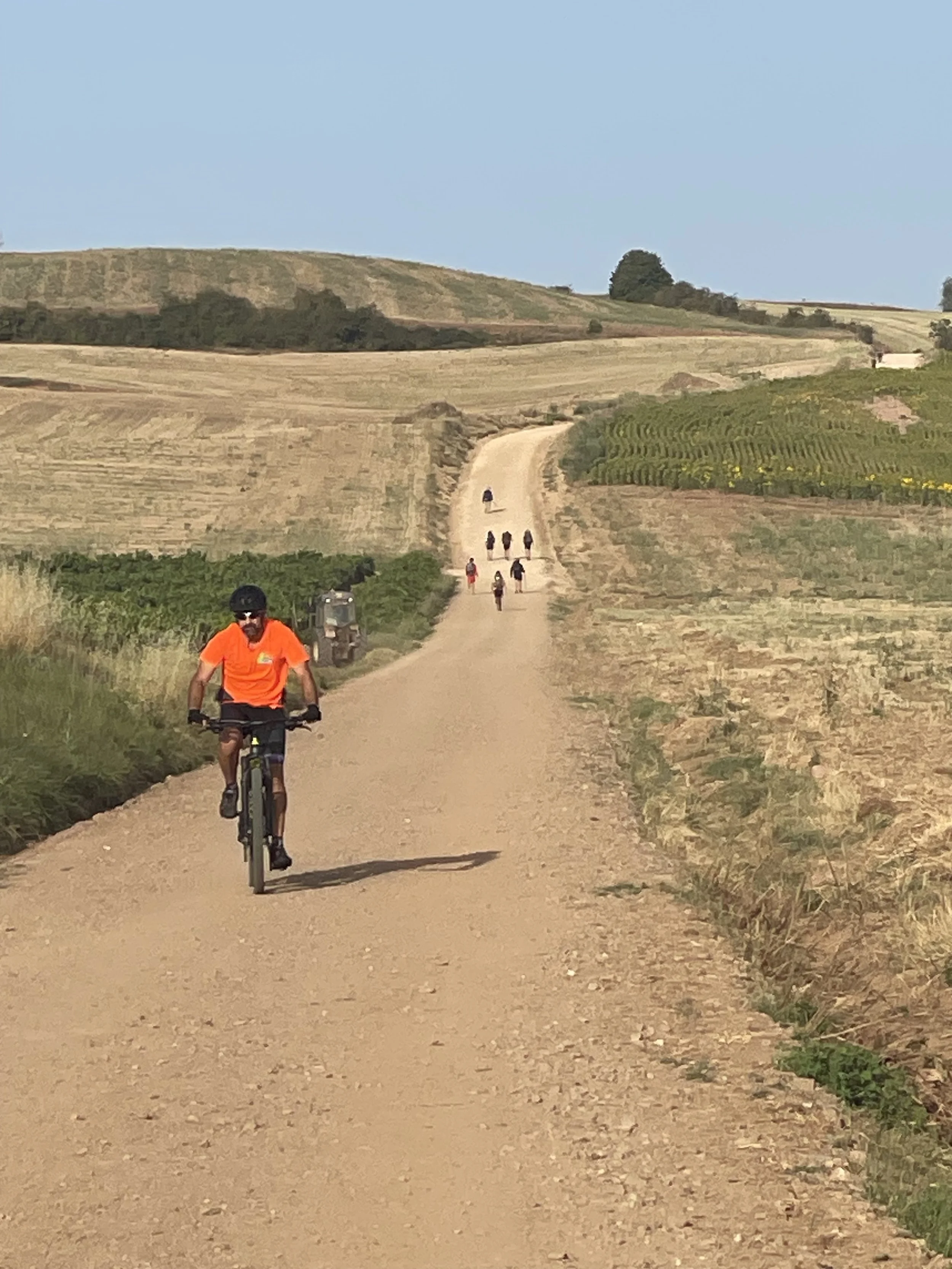
Another way
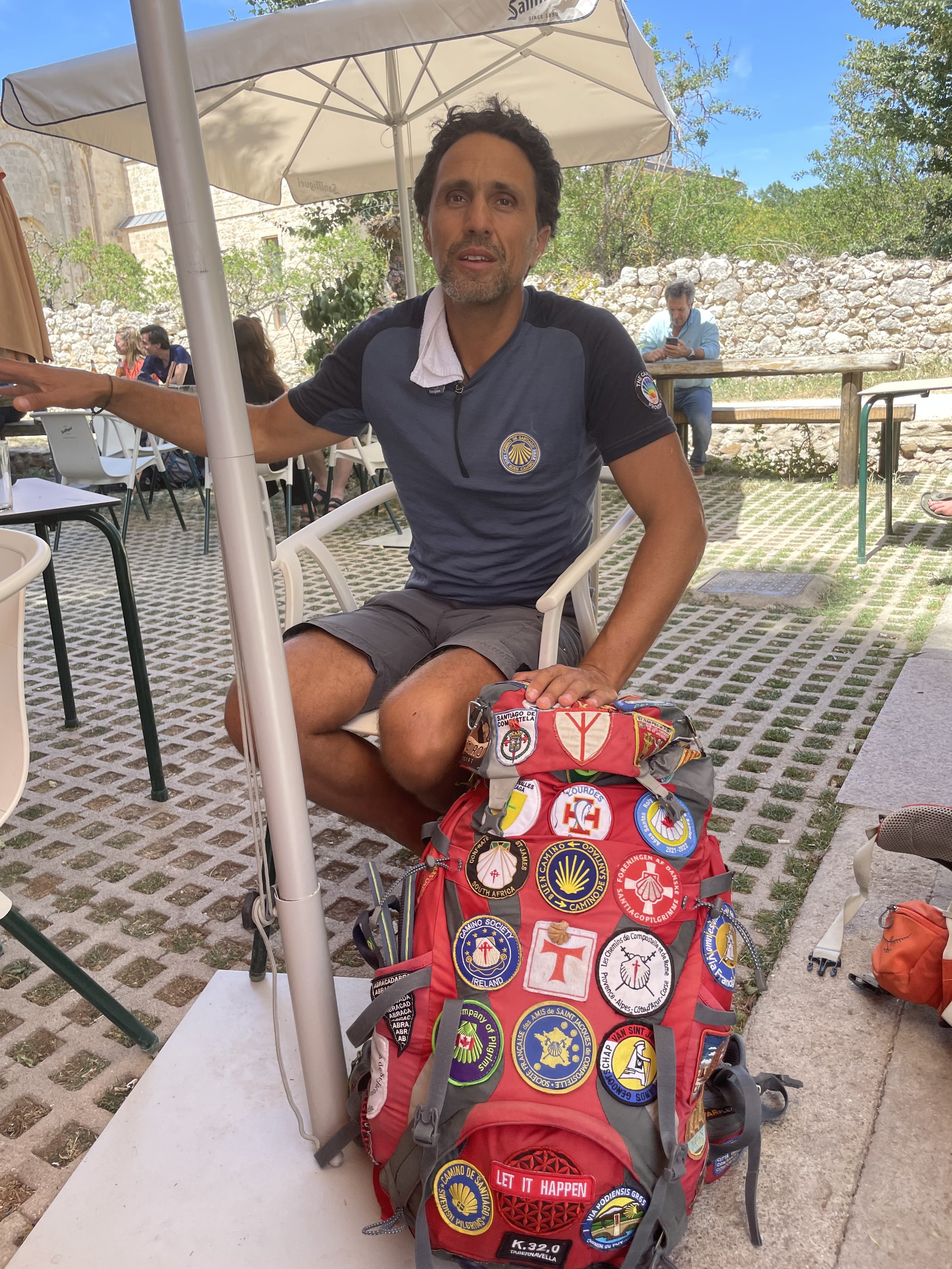
Olivier Krasker-Rosen
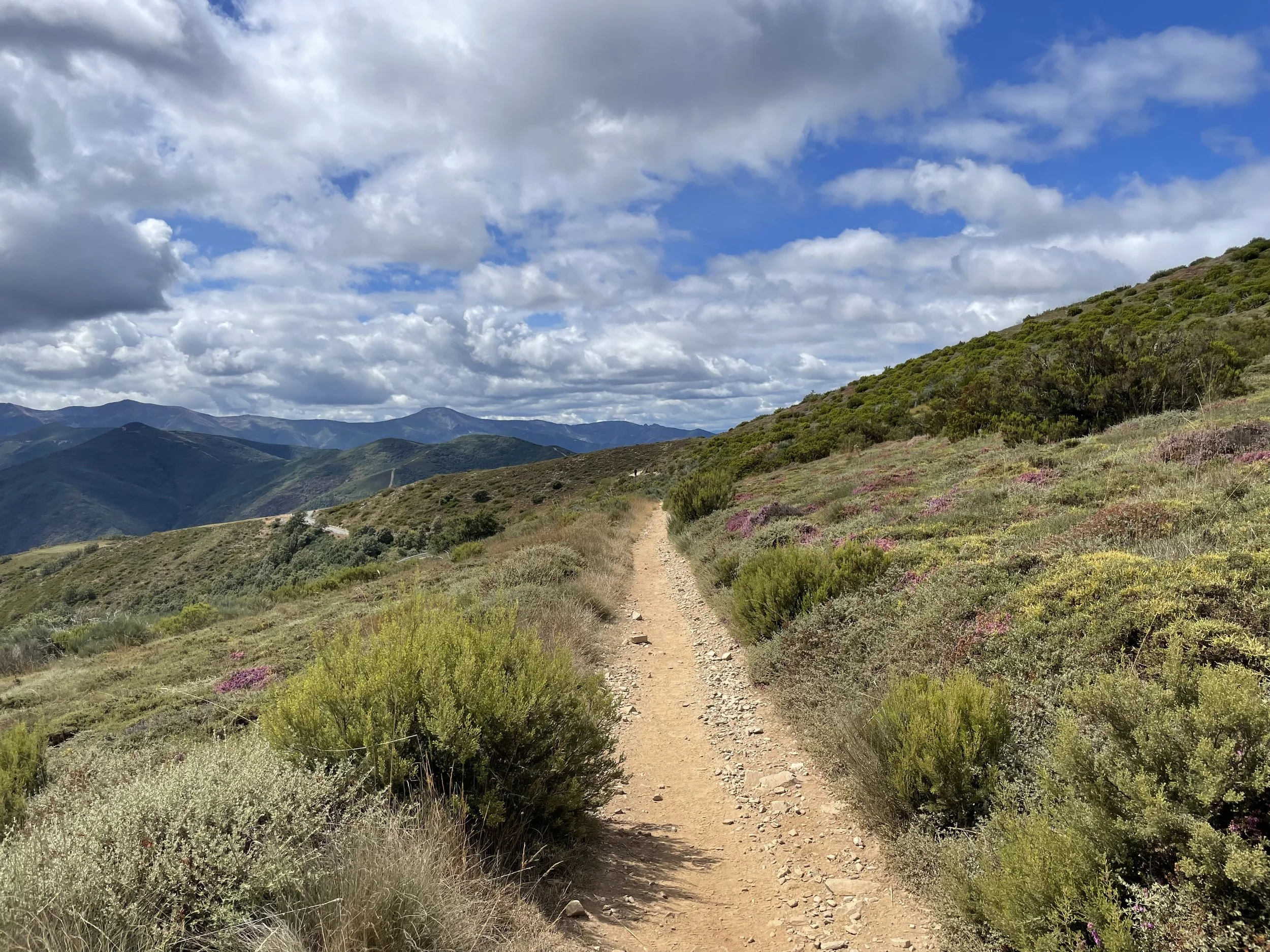
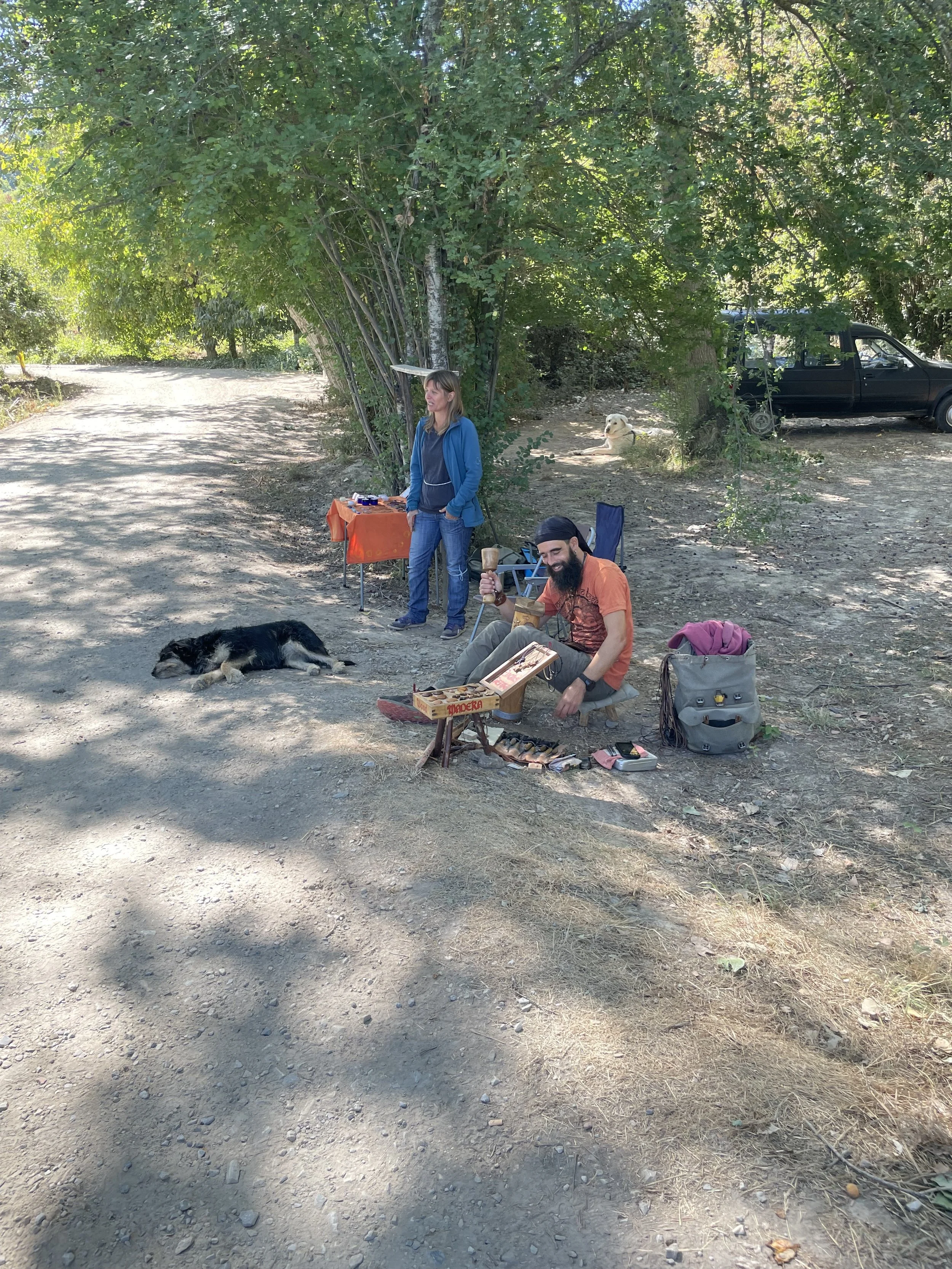
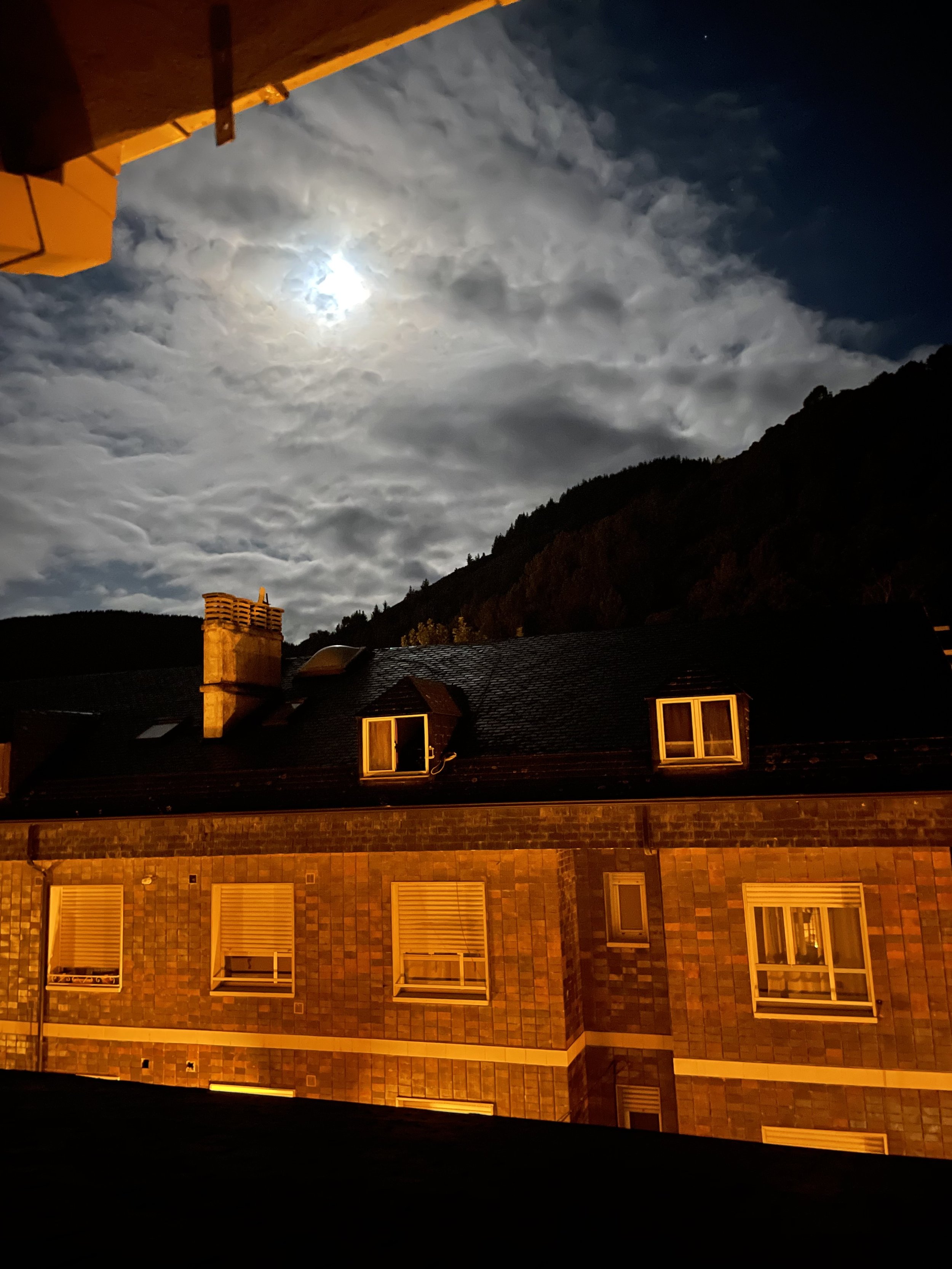
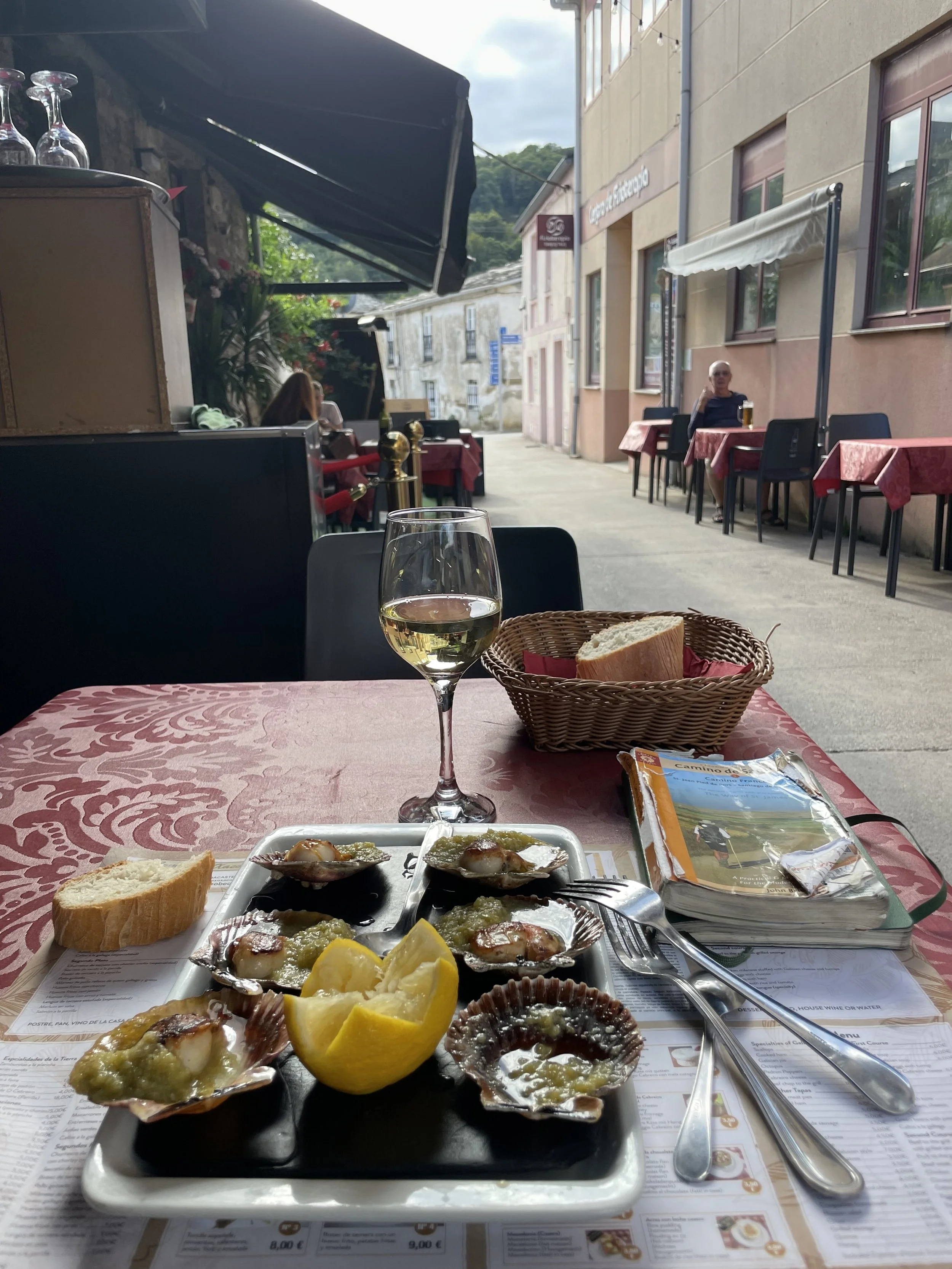
On the way down
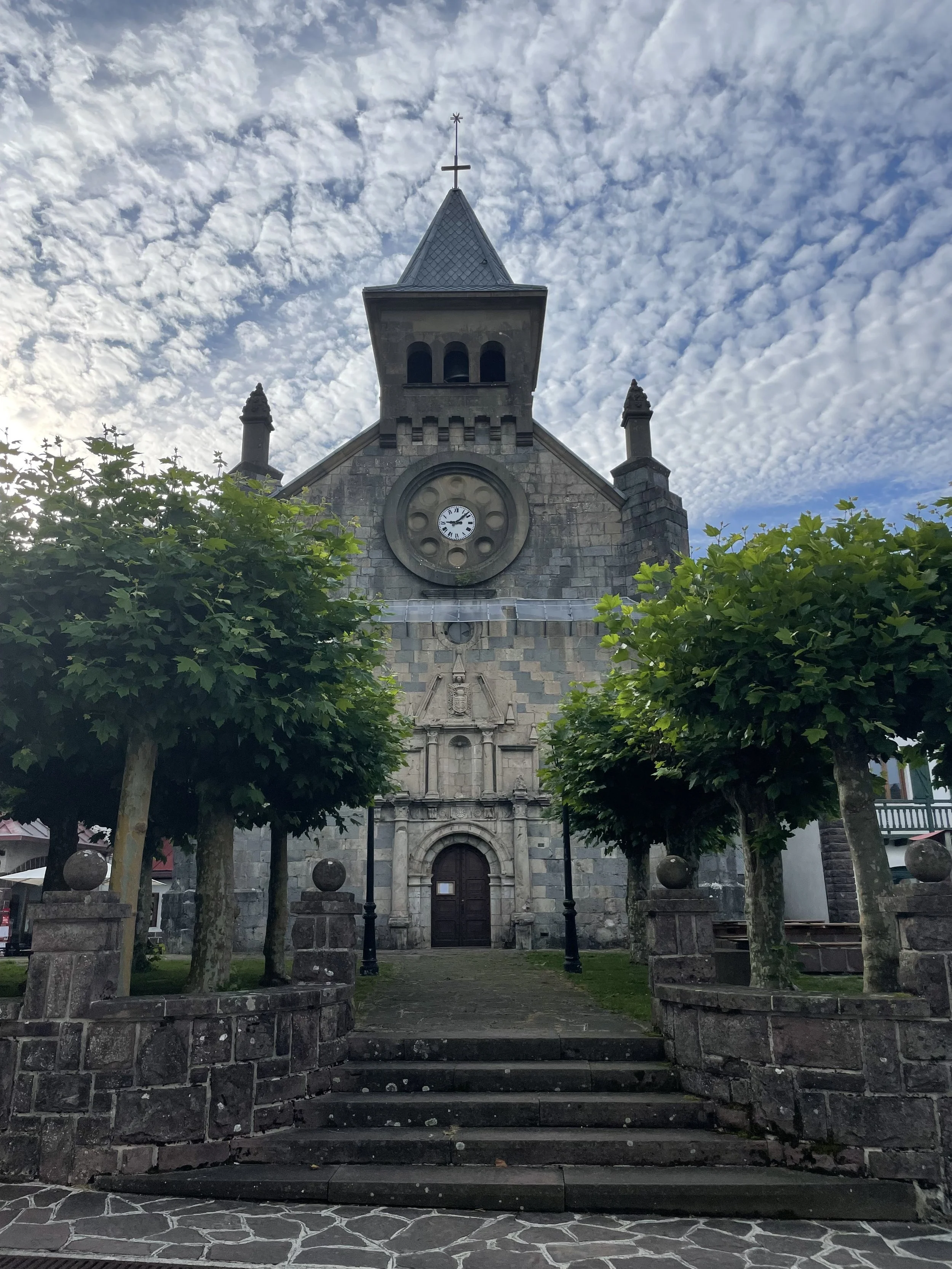
Iglesia de San Nicolás de Bari, Burguete
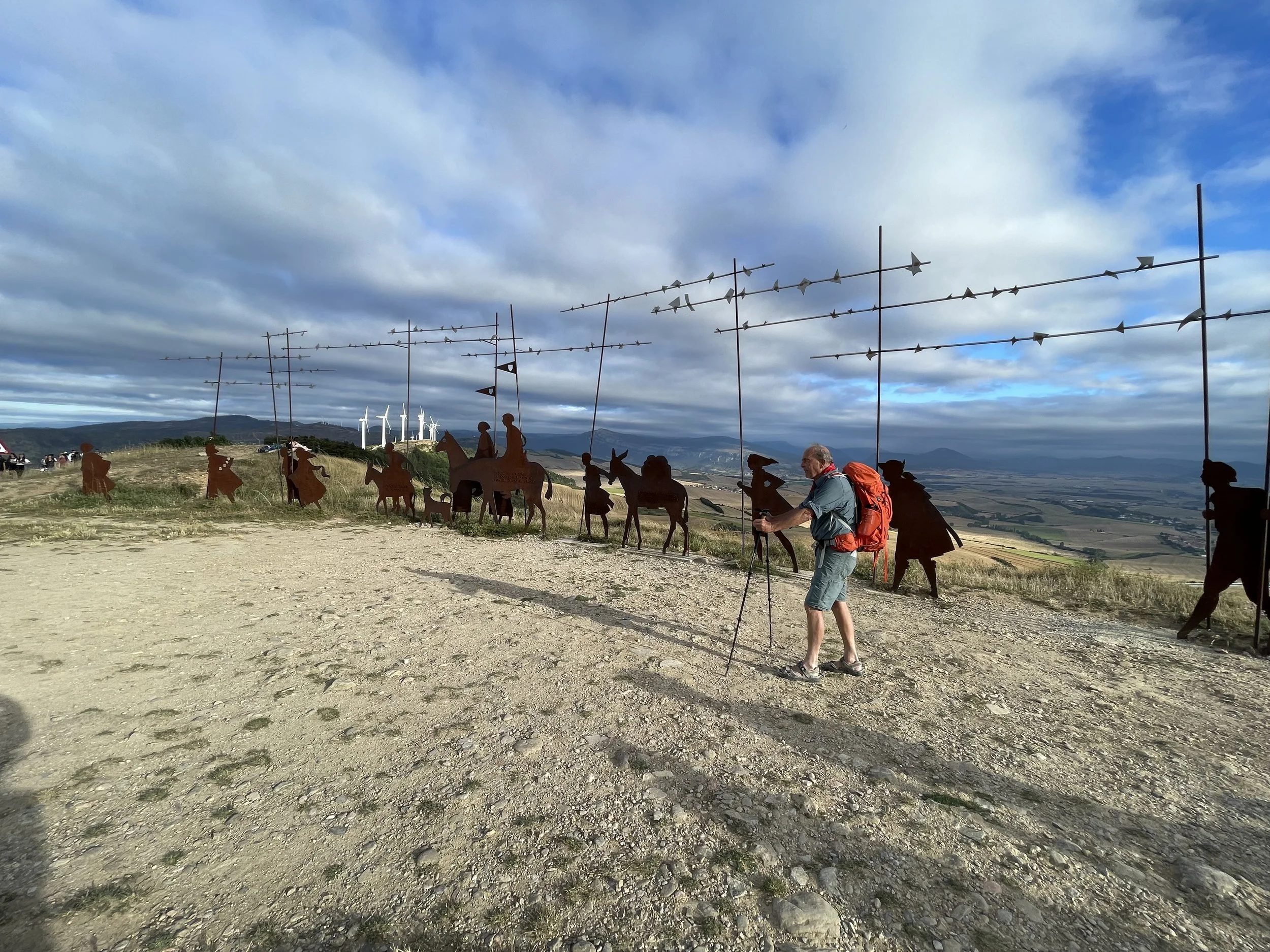
Alto del Perdón
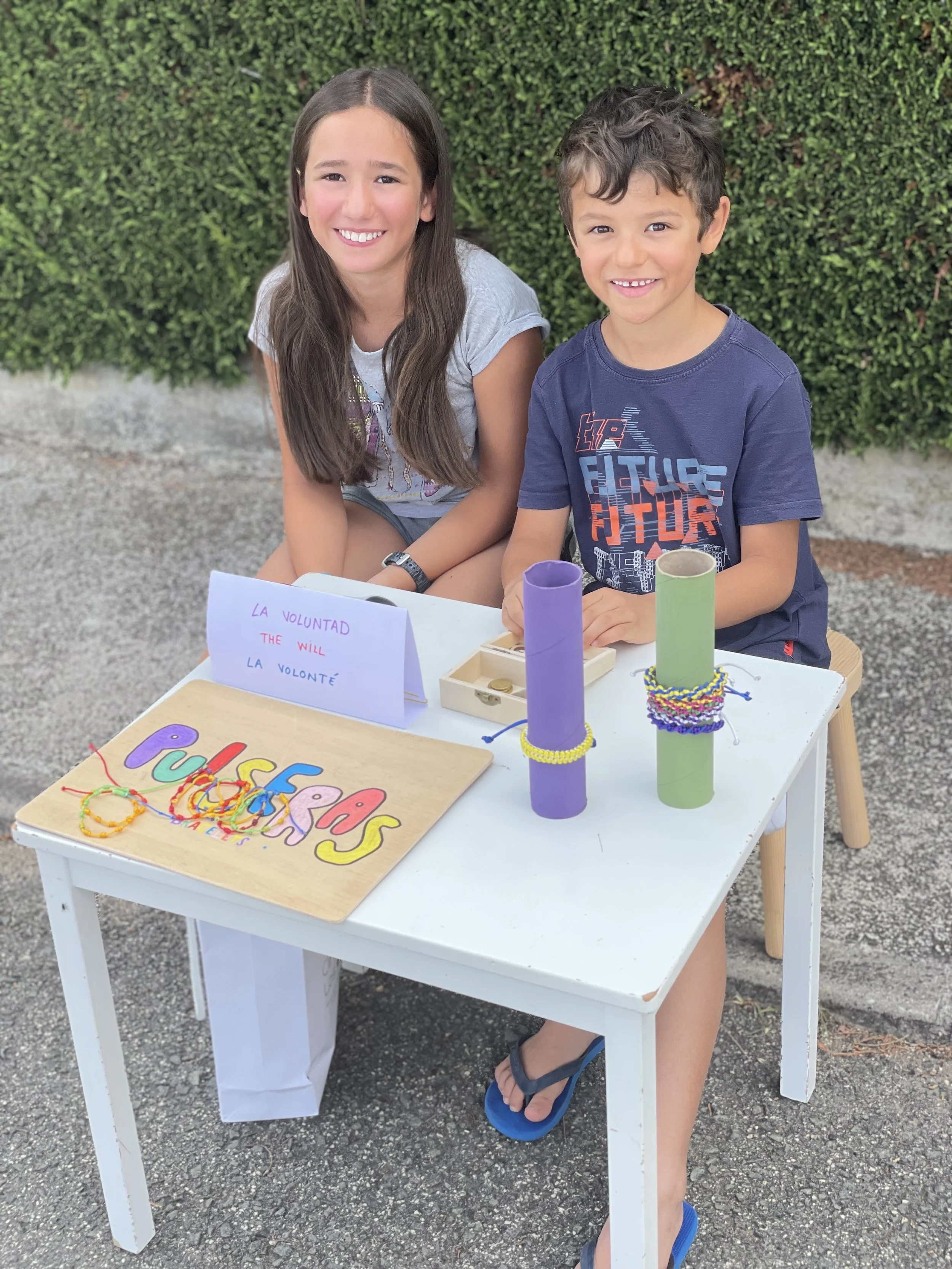
Camino empresarios
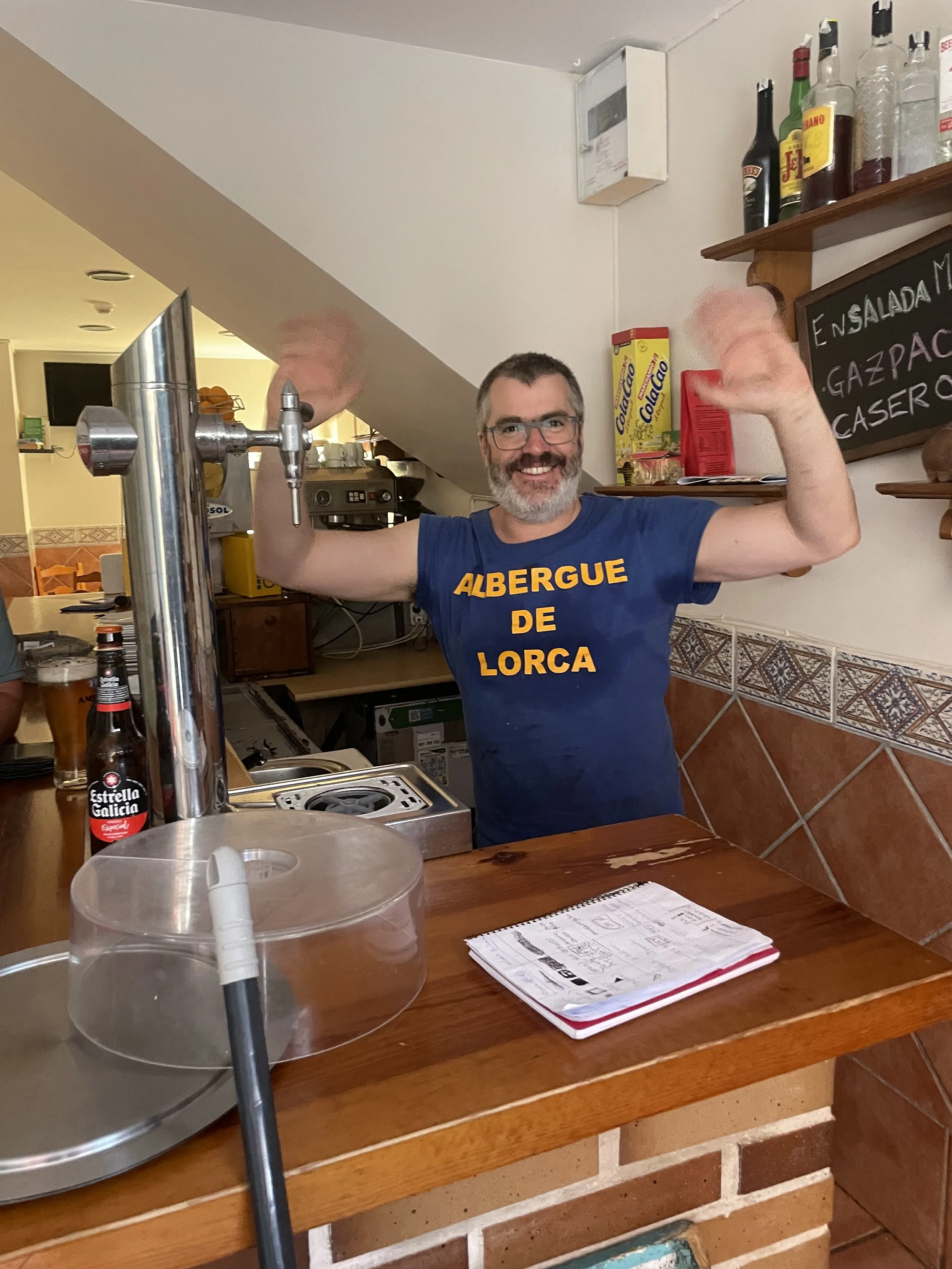
Juan Ramón
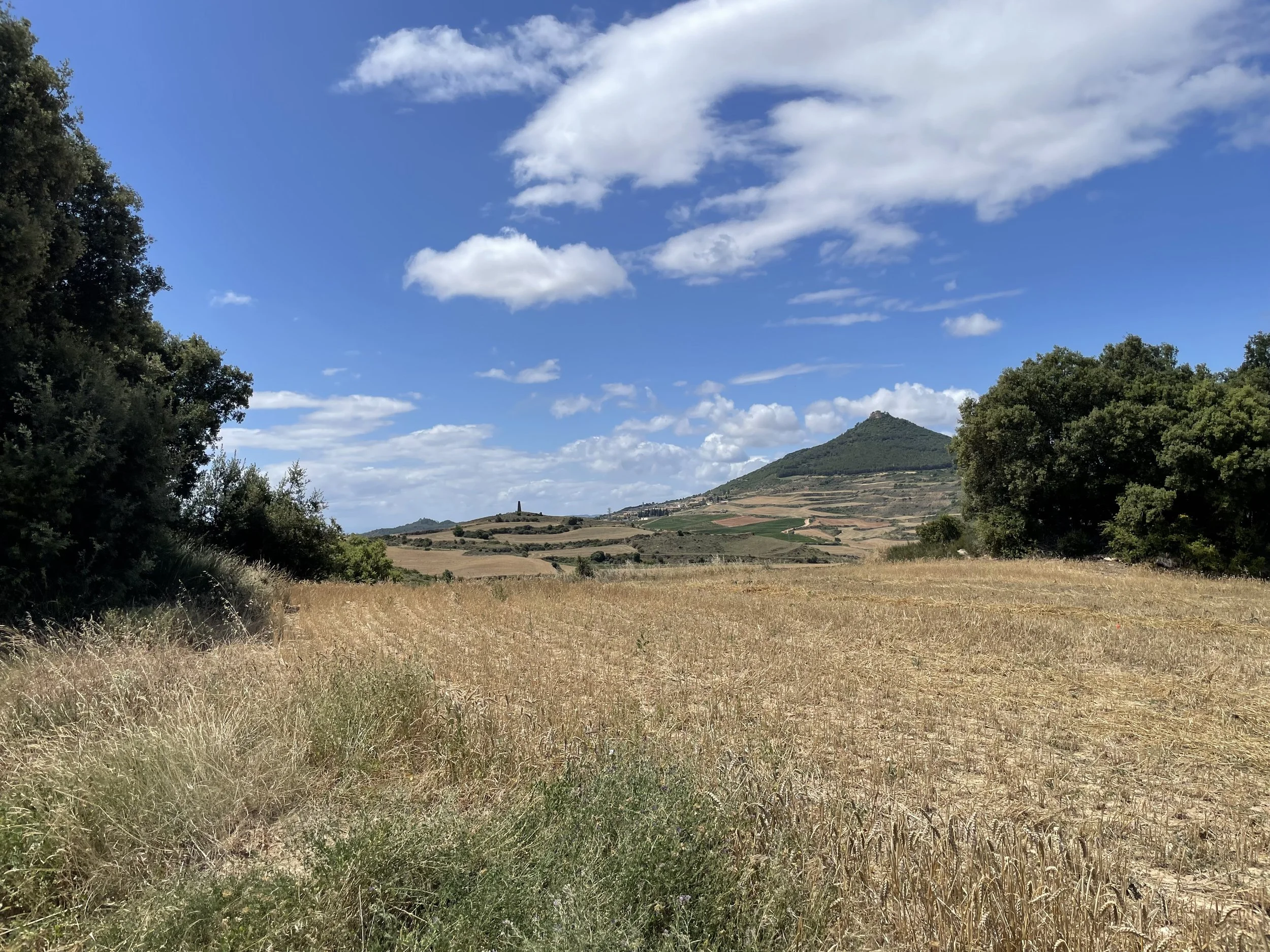
Villamayor de MonJardín
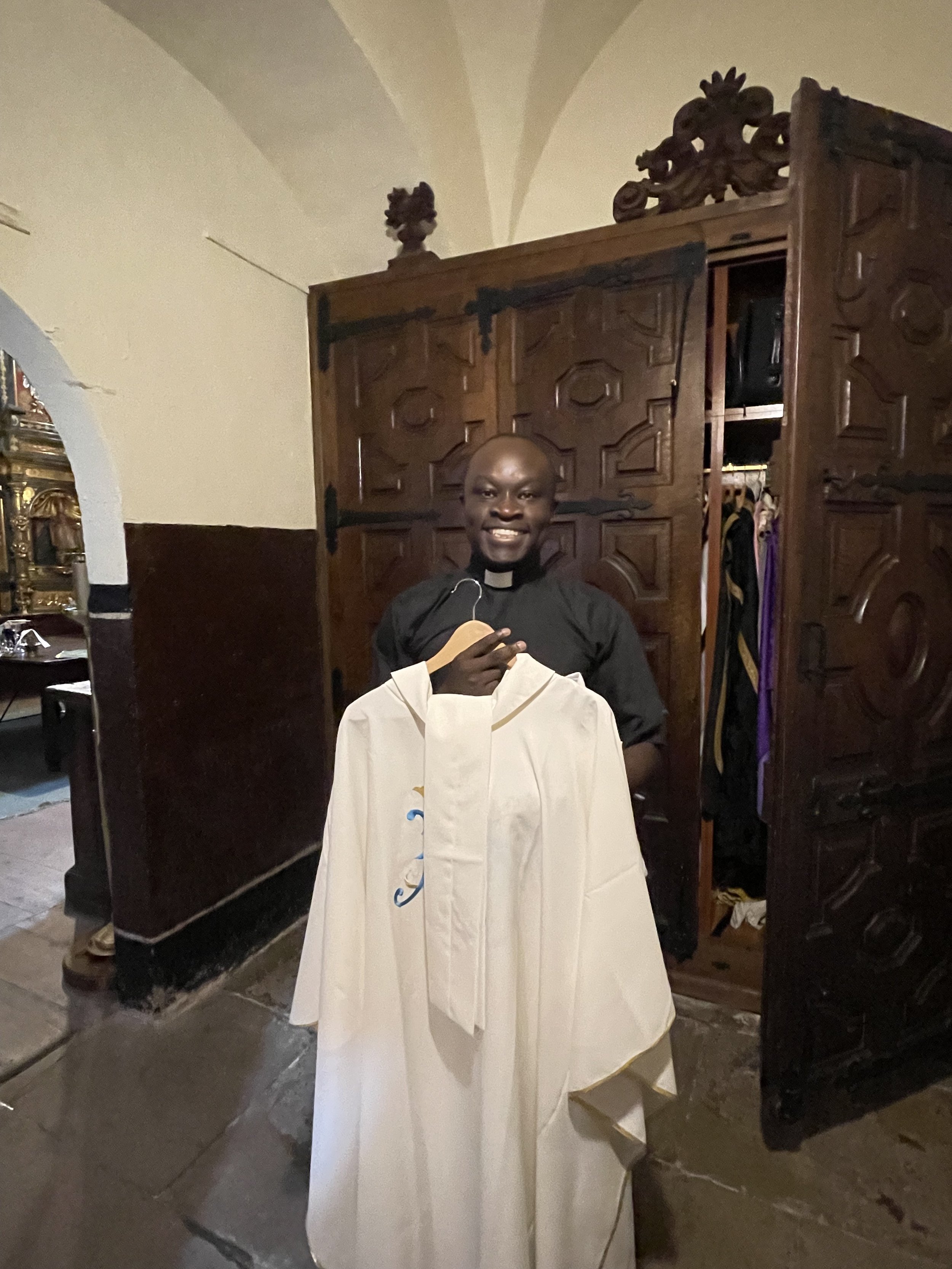
Father Kenneth Orom
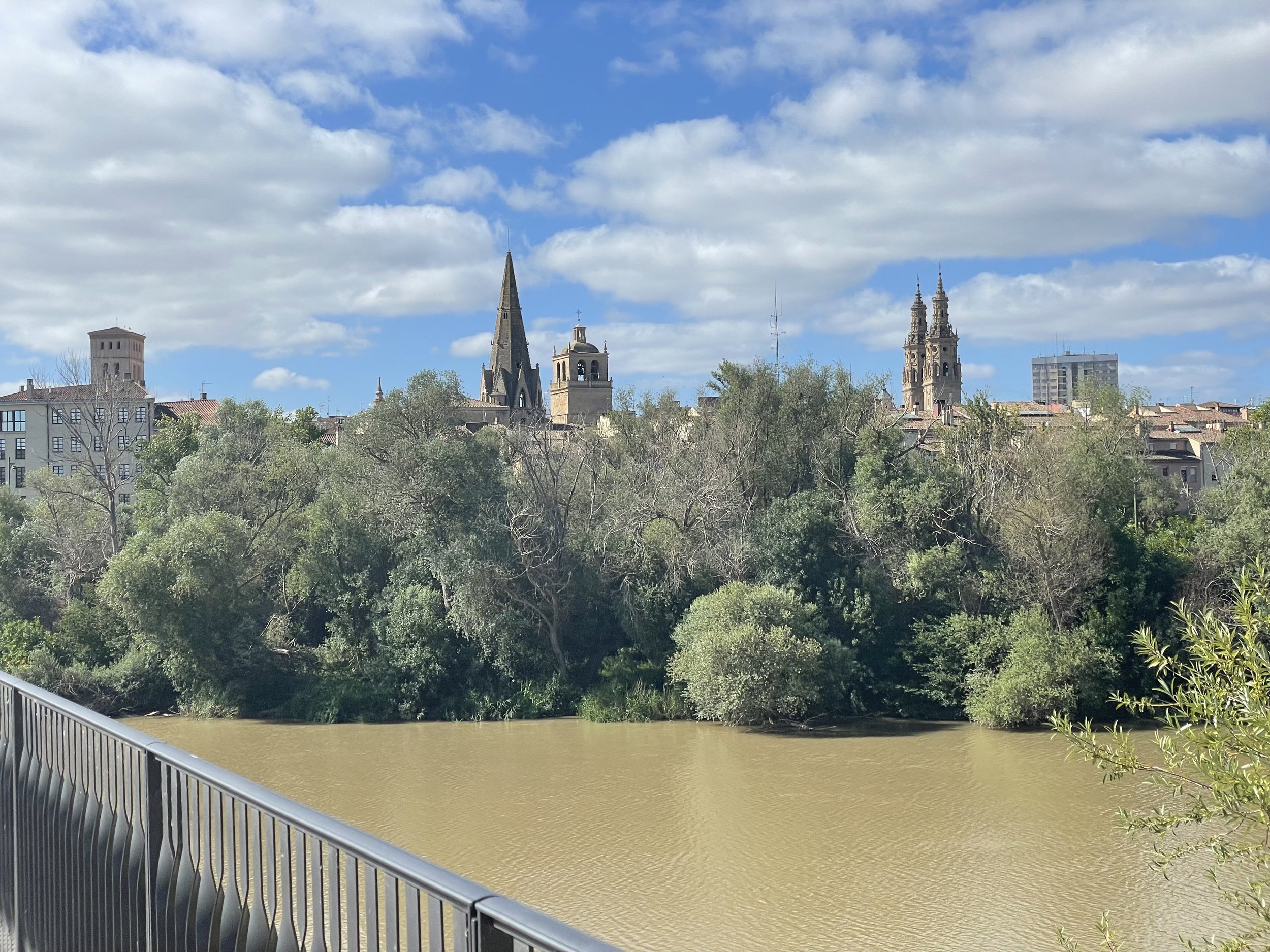
Logroño
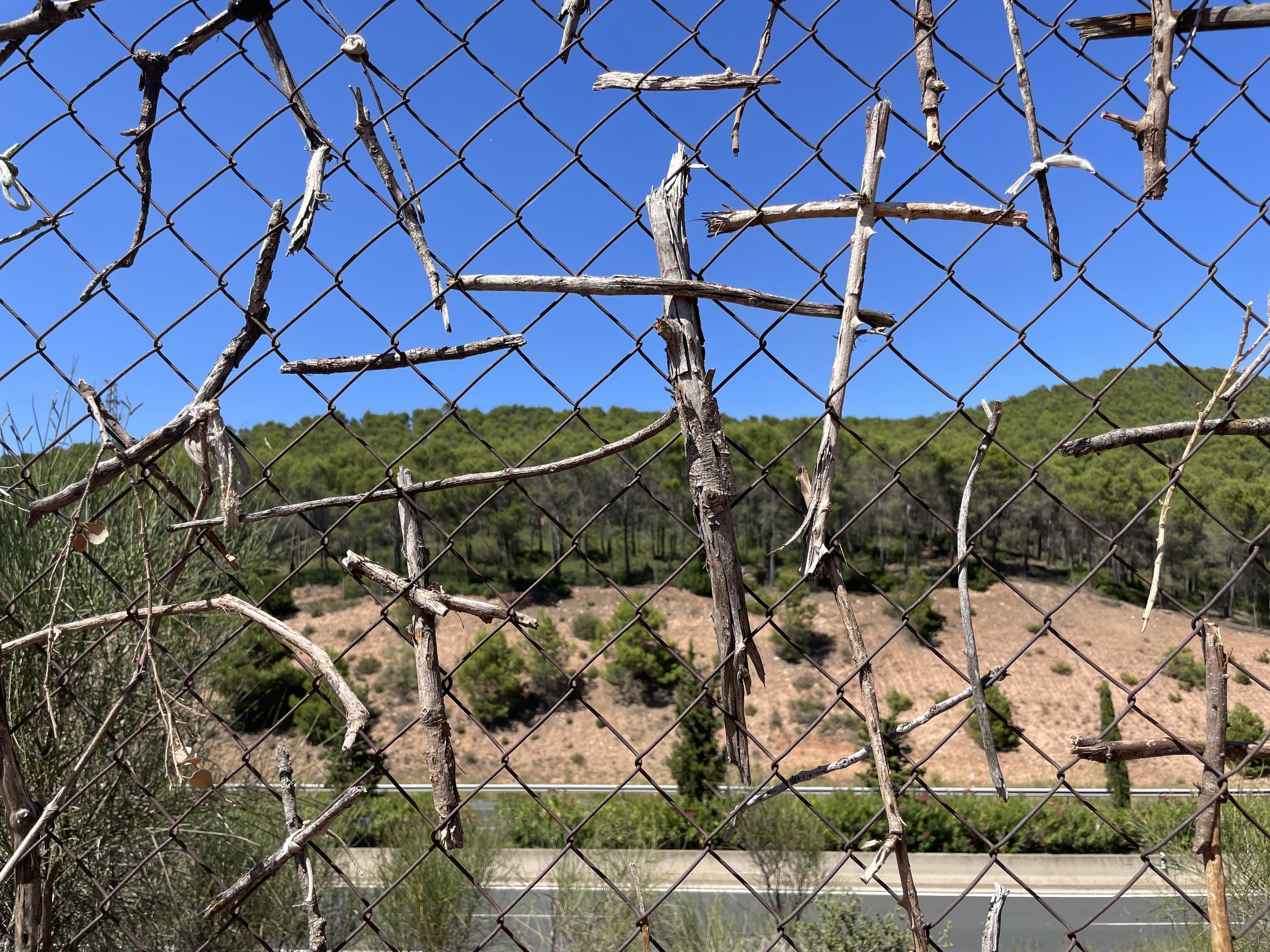
Pilgrims’ crosses
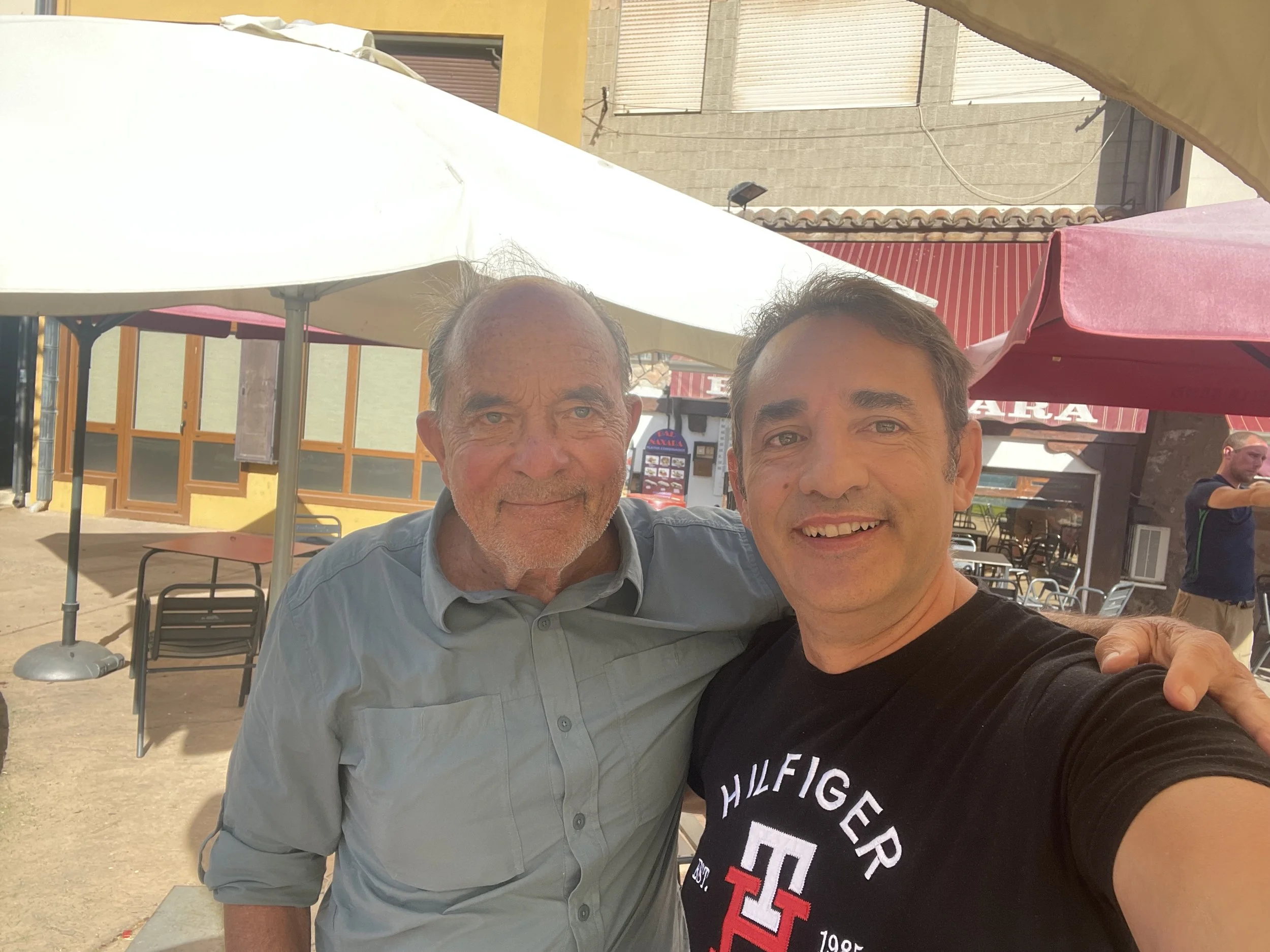
With Marcial Albelda
Their albergue in Viloria de Rioja
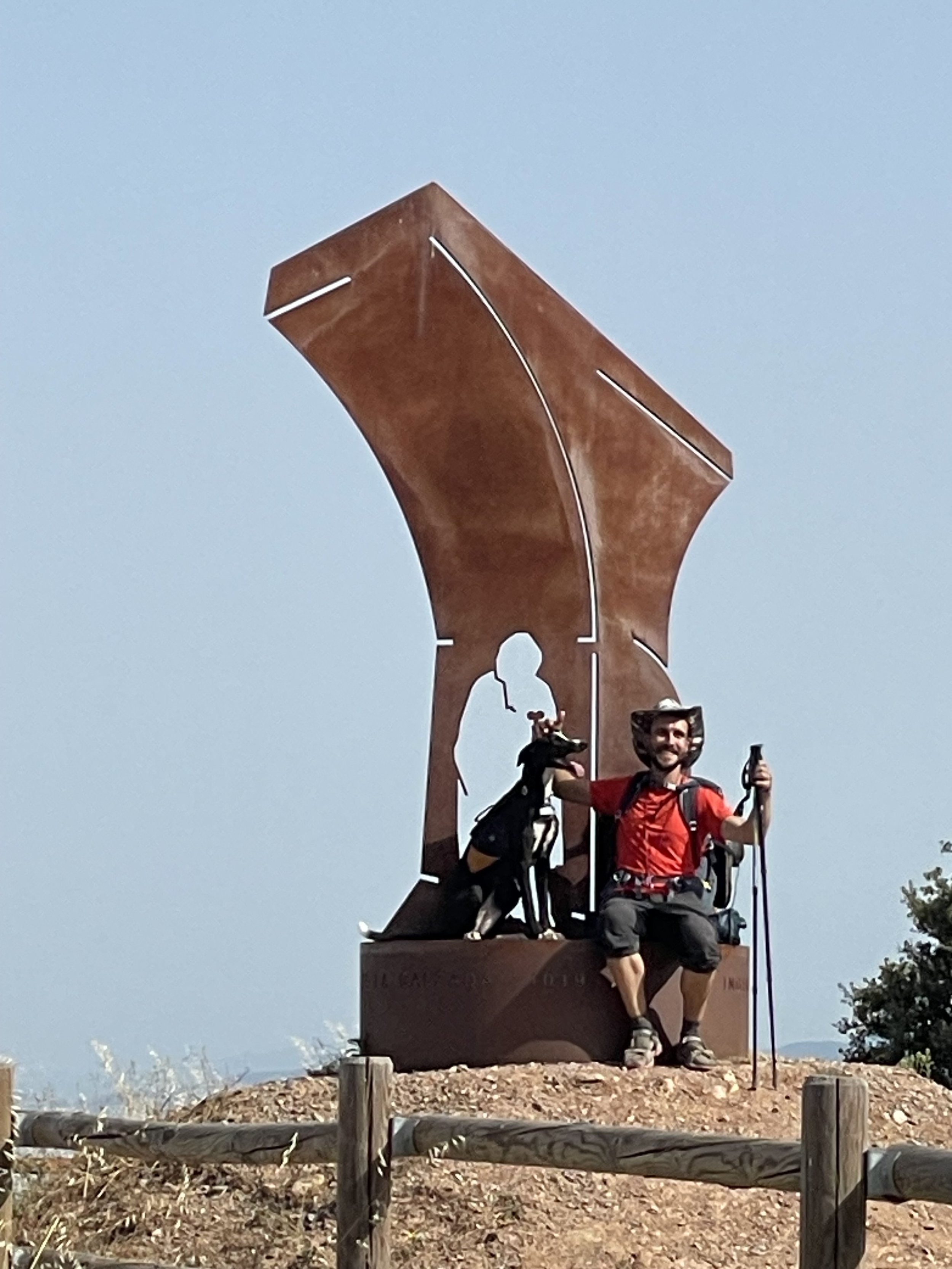
Pilgrim with dog